France Faces Back-to-Back Heatwaves Before Summer Even Begins

France Faces Back-to-Back Heatwaves Before Summer Even Begins
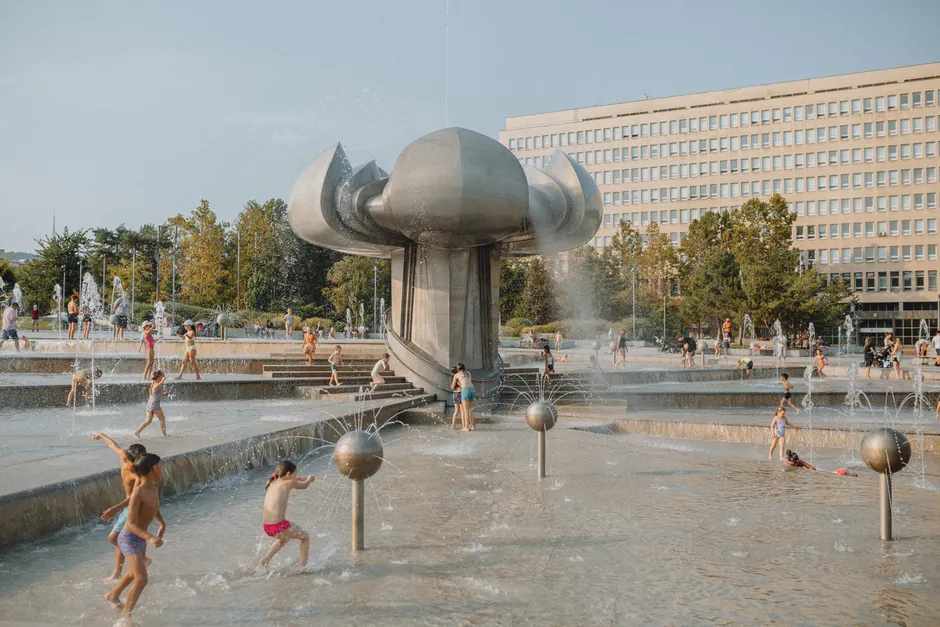
France is bracing for its second extreme heat event in less than four weeks, with temperatures expected to hit 40°C (104°F) or higher on June 21, according to France 24. The pattern is unusual: two major heatwaves arriving in June, before summer officially begins. President Emmanuel Macron has issued warnings as schools, hospitals, and farms strain under conditions that typically don't arrive until July or August.
The first wave already pushed temperatures into the mid-to-high 30s°C across much of the country—about ten degrees above what June normally sees. Schools had to act fast: some moved summer holidays earlier, blocked outdoor activities during the hottest hours, or closed entirely. These are emergency measures usually reserved for late summer. The key difference this year is timing. France's heat preparedness plan, developed after the devastating 2003 heatwave that killed roughly 15,000 people, was built around July and August peaks. It wasn't designed for consecutive heatwaves compressed into late spring.
Farmers caught in a tightening squeeze
Agriculture is facing particular strain. France 24 reported that farmers in key regions—the Loire Valley and Provence—are watching soil dry out and crops stress weeks earlier than expected. When you farm grain or fruit, water management and harvest timing are calculated months in advance. A second heatwave arriving before the first one ends compresses that planning window and leaves less room for error. Add in the fact that many French farmers have already weathered several difficult seasons with thin profit margins, and the pressure becomes acute.
This matters beyond France. The country produces more farm output by value than any other EU nation. If French crop yields drop over the next three weeks, it ripples through European food prices. Traders watching wheat, sunflower, and stone fruits—particularly through MATIF futures markets and ARVALIS crop reports—will have their eyes fixed on the coming weeks.
The broader picture here is one of timing. Farms and infrastructure across Europe were built around historical weather patterns. When those patterns shift faster than institutions can adapt, earlier and more intense stress arrives.
Macron's push for electrification, and what it misses
Macron has been building a public case for rapid change. In late May, he hosted a major summit with industrial leaders to accelerate France's shift to electric power, framing it as both a climate and an economic sovereignty question. At a G7 press conference on June 18, as the second heatwave was already forming, he pressed for coordinated international action on climate—a consistent theme in his recent messaging.
Yet in day-to-day terms, his government has not launched new emergency rules or measures specifically for these heat events. The response has stayed within existing structures: prefectural heat-alert systems, guidance to local officials, and the Canicule heat plan from 2003. That gap between long-term rhetoric and short-term action is worth noting. Whether the old architecture can handle a world where 40°C days arrive twice before the summer solstice is increasingly the question specialists are asking.
The mismatch between climate and buildings
Attribution science—the field that connects specific weather events to climate change—has advanced enough that we can now say with confidence: both heatwaves carry the fingerprint of a warming climate. A warmer baseline makes extreme temperatures more frequent and more likely to cluster together.
For policymakers and planners, though, the sharper question is operational: How fast is the frequency of extreme heat days increasing relative to what buildings and infrastructure were designed to handle? France's housing stock is poorly prepared for sustained high temperatures. Air conditioning is far less common than in southern European countries, and older urban buildings have heavy stone walls that absorb and hold heat during a heatwave—the opposite of what you want. The EU is pushing building renovation timelines, but renovating millions of homes takes decades.
On June 21, the tools in hand remain the immediate ones: cooling centers, welfare checks on elderly residents, public alerts. Macron's calls for vigilance are the right short-term move. The real friction lies further out—between what works today and what climate patterns now demand tomorrow. The next few heatwave seasons will apply pressure on that gap, and the results will likely force difficult choices about where to spend money and resources.