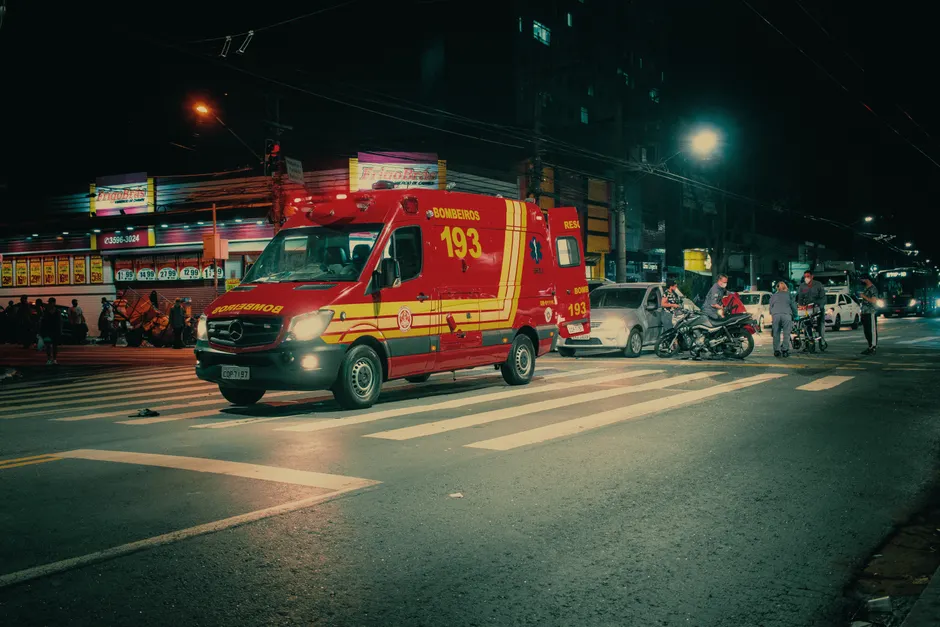
Kohat Mosque Bombing Kills At Least 16 as Gun Battle and Rescue Continue
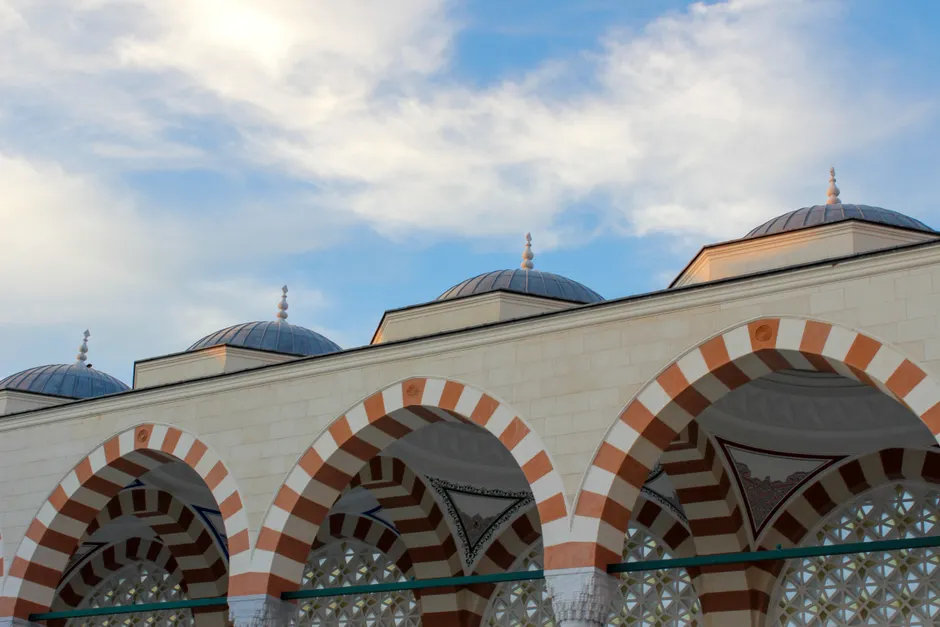
At least 16 people were killed when a vehicle loaded with explosives rammed into a mosque in Kohat district of Khyber Pakhtunkhwa in northwestern Pakistan. The figure was reported on 18 September 2026. BBC
Five police officers were among those killed. One assailant was reported killed. A gun battle between attackers and security forces was ongoing at the site. A rescue operation was underway there in parallel.
Pakistan President Asif Ali Zardari issued a statement wishing swift recovery to those injured in the explosion.
The broader context here is operational. Rescuers had to work while fighting continued. Commanders had to hold a perimeter, a secured boundary around the site, keep up the firefight, and move the wounded at the same time. Triage, the quick sorting of the wounded by urgency, could not wait for quiet. Each entry put medics and police at risk, which can slow casualty counts when field units and hospitals report on separate timelines.
In my view, the makeup of the toll deserves close attention. Five officers dead alongside other victims means the loss touches both the police and the local community. It does not by itself show where officers stood or why. Leaders will need to address officer safety and public reassurance together, including how entry was controlled and how a cordon was kept as families sought news. Answers will need site examination and an internal after-action review, a formal study of events, not early press lines.
Looking at what this means for the public record, early numbers in attacks like this should be treated as provisional. The toll may change as hospitals, police and rescue services count at different speeds. One assailant reported killed leaves open the status of others involved. A presidential message at this stage acknowledges injury and signals central attention, leaving operational detail to field commanders.
In terms of next steps, sequencing will matter more than speed. Rescue comes first, alongside securing the structure and finishing evacuation. A careful search of vehicle debris and the compound must then show if the scene is safe for investigators and clergy. Briefings that separate confirmed deaths from hospital admissions, and confirmed attacker losses from ongoing contact, reduce confusion.
What will shape interpretation next is how the operation ends. While gunfire continues, the response has not shifted to a purely humanitarian phase. When firing stops, a fuller victim list and clearer picture of attacker numbers should follow. Until then, each update should be weighed by its source, whether police, rescue service or presidency, and revisions expected as accounts converge.