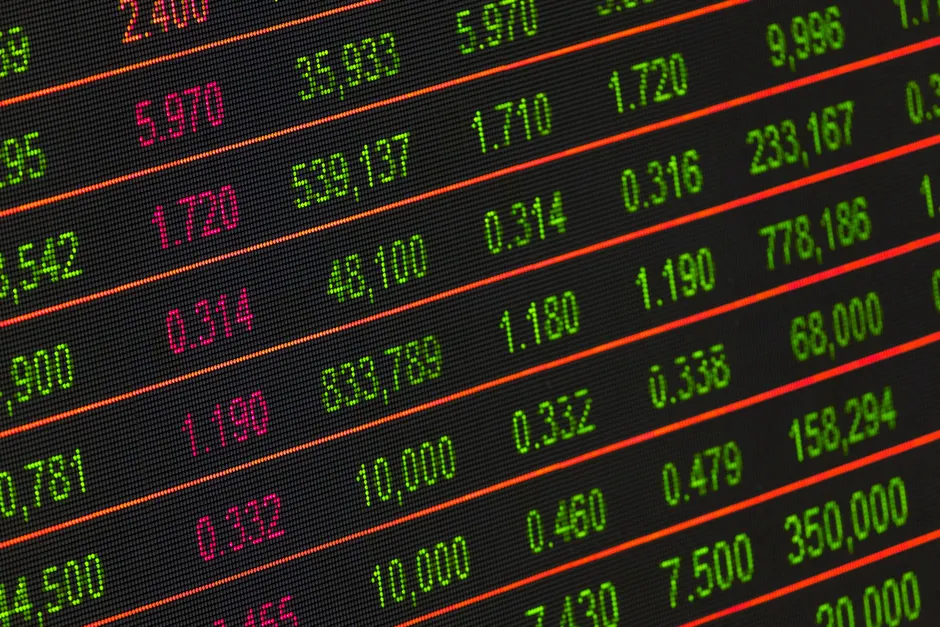
Turkey Froze $21.4 Billion in Funds After a Liquidity Crunch

Turkish regulators froze trading in funds run by seven asset managers and ordered 130 investment funds to be liquidated after a liquidity crunch set off an equity selloff.
The intervention came in September 2026 as regulators tried to contain fallout in the stock market. Trading was halted across those managers' funds while the 130 funds were told to wind down. Financial Times
Turkey's securities regulator said the suspended funds were worth a combined $21.4 billion. Reuters described the action as part of a broader step to support markets and break the cycle of redemptions and selling. Reuters
Separate data from the TEFAS platform put the affected assets at about TRY 830 billion, roughly $17 billion. bne IntelliNews Suspension value means what was stopped from trading. TEFAS holdings mean what was registered on that platform.
Turkish stocks clawed back some losses on Thursday, September 17, 2026, after the selloff. Reuters
On a separate enforcement track, Turkey's Capital Markets Board filed criminal complaints on September 17, 2026 against 38 people over alleged share manipulation. On the same day, it barred the same 38 people from trading on Borsa Istanbul for two years. The complaints are a criminal tool. The bans are administrative. Both were applied to the same group. Reuters
Three terms matter here. Gating stops investors from redeeming, or pulling money out. Suspension stops pricing of the fund. Liquidation ends the fund and returns what cash is left.
The broader context here is liquidity mismatch, and it matters for savers and investors. These were open-ended funds. Investors could ask for money back on short notice, but the funds held concentrated stocks that cannot be sold in size without moving the price. It works like a bank where deposits can leave at once but loans cannot be called back. When redemption requests clustered, managers sold what they could, discounts widened, net asset values went stale, and selling spread to the wider market.
In my view, the shape of the response shows where the stress sits. A freeze across seven managers points to links between them, through dealers, custody or shared holdings, rather than one bad portfolio. An order to liquidate 130 funds points to a judgment that those vehicles cannot continue, because of weak liquidity, uncertain values or loss of investors. The gap between the $21.4 billion suspension figure and the TRY 830 billion TEFAS figure reflects different coverage and valuation points, not a single audited total. The bounce on September 17 did not reverse the event. It showed forced selling had eased enough for prices to steady once gating and support were in place.
The key question for risk management now is timing and cash. Liquidation does not create liquidity. It schedules sales into a market that just absorbed forced selling. Administrators must sell portfolios, reconcile TEFAS records with custodian holdings, and treat share classes fairly. Lenders will focus on what collateral still counts, while equity desks watch for overhang, since names sold out of liquidation or returning to trade often carry a discount for information risk until settlement clears and free float returns to normal.