Inquirer Founding Chair Eugenia Apostol Dies at 100 — And Why It Matters
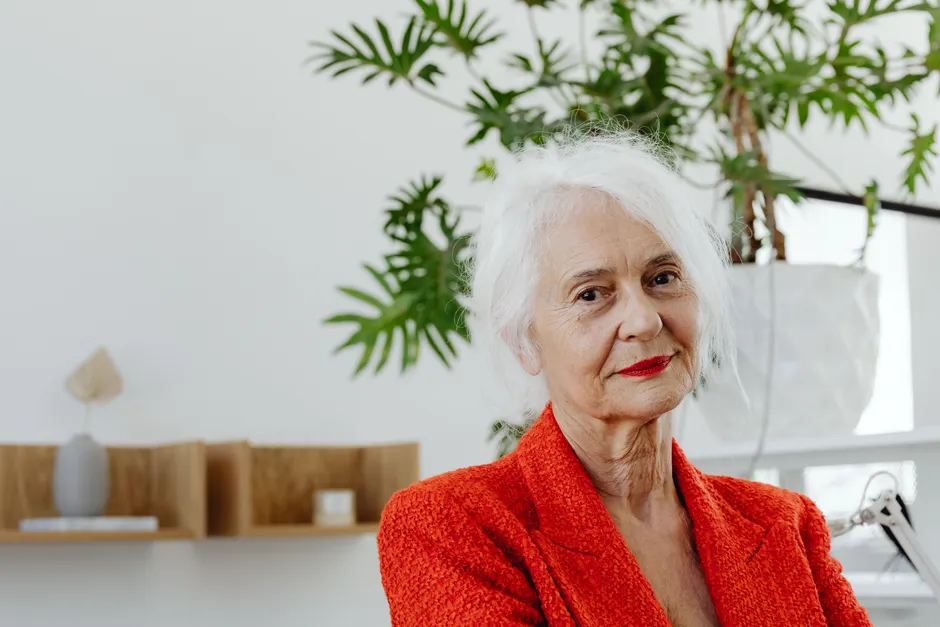
Eugenia Duran Apostol, founding chair of the Philippine Daily Inquirer, died peacefully in her sleep on Sunday, Sept. 13. She was 100. The death was reported on Sept. 14. Inquirer
Apostol, widely known as Eggie, spent more than five decades in journalism and became a prominent figure in the alternative press. Varsitarian Her 101st birth anniversary would have fallen on Sept. 29, just over two weeks after her death. Inquirer She died at 100, according to contemporaneous reports. Inquirer
The institutional context here helps explain why those facts carry weight. A founding chair is not a ceremonial title. It means governance authority at the start, including control over the charter, hiring, and editorial direction while a publication is still building its finances and norms. Succession after such a figure is rarely smooth. It tests whether procedures can outlast personalities.
The broader context here involves what alternative press means as a professional term. It does not only mean small or oppositional papers. It describes news operations built outside dominant commercial or state-aligned structures, often with thinner resources, looser distribution, and higher legal and physical exposure. Trust in that space tends to attach to individuals rather than to large bureaucracies.
Looking at what this means for Philippine journalism as a field, a career of more than five decades signals continuity. It spans multiple generations of reporters and a shift from hot type to digital, plus cycles of pressure and opening. Such a figure becomes a store of practical knowledge, like how a libel threat was handled or how a source was protected. When that knowledge is not written down, the loss is practical as well as symbolic.
In my view, the timing points to archival questions. Apostol died 16 days before what would have been her 101st birthday. Long-lived founders often leave scattered records across personal holdings, newsroom files, and oral memory. The priority for specialists is preservation and access. Who holds correspondence, board minutes, and unpublished drafts, and whether oral histories have been recorded, will shape what can later be verified.
For observers of institutions more generally, the question now concerns transmission. Founding authority concentrates legitimacy. After a founder, that legitimacy must spread across editors, boards, professional associations, and journalism schools through appointments, curricula, awards, and daily precedent. Diplomats and multilateral officials who depend on a legible and plural press corps watch for cohesion or fragmentation. Apostol's age and tenure make her an outlier, and her death closes a direct link to founding conditions.


