A Korean Island Celebrates a French Shipwreck From 175 Years Ago

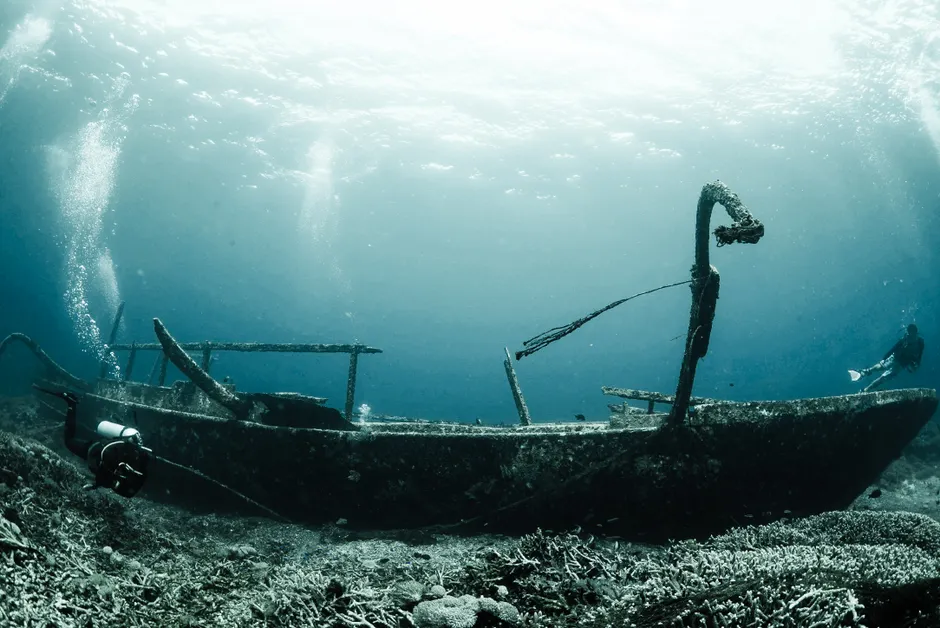
Bigeumdo, a small island off South Korea's South Jeolla coast, is hosting a festival centered on a single historical event: the 1851 wreck of the French whaling ship Le Narval in the waters nearby. The festival, titled "The Encounter of Champagne and Makgeolli," pairs the two drinks as symbols of the French-Korean contact that emerged from the shipwreck, according to Asiae.
What actually happened on that ship is documented in historical records. Le Narval ran aground somewhere in Jeolla province's waters in 1851, and at least some of its crew eventually reached Shanghai, according to the International Journal of Korean History. The festival organizers have chosen to focus on Bigeumdo specifically—claiming the island as where the crew came ashore—and to build their event around that moment. The crew's journey through a remote Korean island and their eventual escape to China's largest port captures a wider pattern of the mid-1800s Pacific whaling industry, when French, American, and British ships regularly ventured into Northeast Asian waters hunting sperm and right whales, since Atlantic whale populations had been depleted.
The festival's name does something clever culturally. Champagne represents France; makgeolli—a milky rice wine long made and consumed in Korean rural and maritime communities—represents the island. Neither is an elite or prestigious drink in their respective countries, which fits Bigeumdo's reality as a working island rather than a polished tourist attraction.
South Korean towns and cities have started using hyper-local encounters with outsiders as festival themes and tourist draws. Bigeumdo's event is small, but it fits a broader pattern: provincial governments across South Korea are searching for cultural tourism hooks beyond the familiar K-pop and Joseon dynasty circuits that already saturate the market. A shipwreck involving a mid-level French whaling vessel—before France and Korea even had formal relations—is ideal material for local reimagining. It's specific enough to be genuinely distinctive and obscure enough to feel novel to visitors.
From a French perspective, Le Narval belongs to an entirely forgotten chapter of Pacific history. French whaling thrived in the mid-1800s but collapsed by century's end; ships and crews left sparse records outside specialist maritime archives. That a Korean island has now built a recurring cultural festival around one such vessel is a form of historical preservation that France's own maritime institutions did not create. The question of whether a slender bilateral cultural connection can draw sustained visitor interest is different from the factual record itself. Bigeumdo lacks the infrastructure or name recognition of South Korea's major festival destinations, so the historical angle may be its strongest—and possibly only—real advantage. Whether that proves enough to keep the festival going beyond its first year is still an open question. But the core idea is worth testing: treating a maritime disaster as a point of cultural contact rather than dismissing it as a minor footnote in larger histories.