Jury Clears London Student in Hamas Speech Case: Why Wording and Intent Mattered
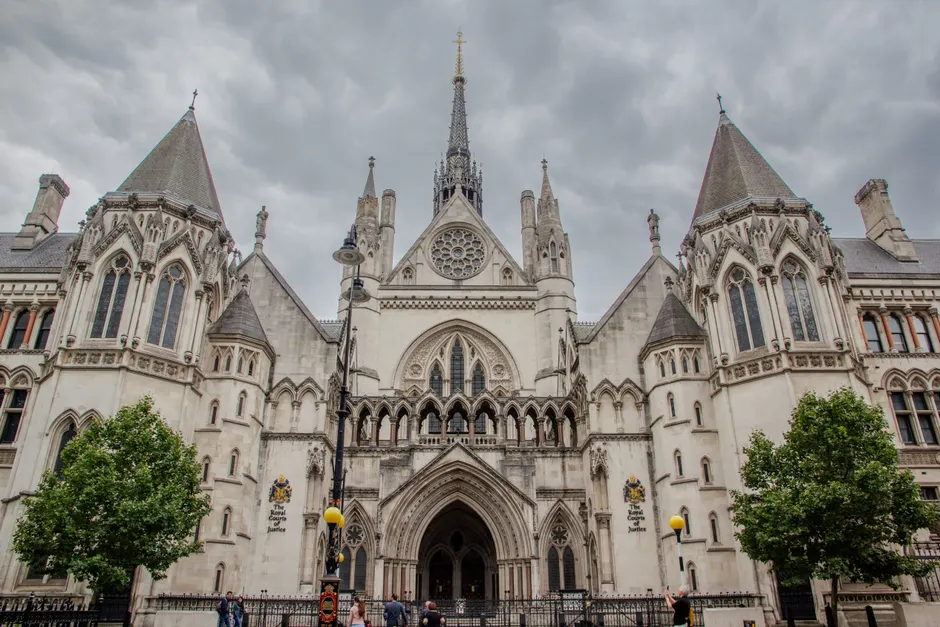
A jury at London's Central Criminal Court found 22-year-old Sarah Cotte not guilty of expressing support for Hamas. The verdict at the Old Bailey, reported on September 18, 2026, closed a prosecution built around a speech she gave outside SOAS in London on October 9, 2023. Al Jazeera
Cotte was a university student at the time. Prosecutors said her call for "unconditional solidarity" with Palestinian resistance, made two days after the October 7, 2023 attacks on Israel, amounted to support for Hamas. They also cited her praise for the "righteous Palestinian resistance" of October 7. The Telegraph
Cotte denied supporting Hamas. She said the speech backed Palestinians' right to resist. The jury rejected the prosecution case.
Under UK law, supporting a proscribed group, meaning a group formally banned by the government, is a criminal offence carrying up to 14 years in prison. Hamas in full was banned in late 2021. Its military wing, the Qassam Brigades, had been banned since 2001.
Cotte was arrested over the SOAS speech on January 31, 2024. In an earlier trial, she was found not guilty of a second charge of expressing support for Hamas in a WhatsApp group chat. A retrial on the remaining speech charge had been set for September 14, 2026. The September 18 acquittal was reported as clearance of a terror charge.
The broader context here is the line British counterterrorism law tries to draw between political speech about Palestine and criminal support for a banned organisation. Juries act as the decider of that line in disputed cases. The question is not whether the speech was provocative or polarising. It is whether the specific words, in their immediate context, backed Hamas as a banned group rather than Palestinian resistance in general terms.
Looking at what this means for prosecutors, universities, and protest-related speech cases, the acquittal changes little in the law but a lot in practice. The ban remains in place. The maximum penalty remains severe. Yet the outcome shows how hard it is to turn solidarity language, spoken days after a designated atrocity, into proof of support for the designated group itself, especially when the defendant clearly says she does not support that group. For universities managing campus speech and for lawyers advising activists, the decision will be read as a caution about when to bring charges, how to interpret language, and how much weight jurors give to a defendant's stated intent.


