Beating of U.S. Deportees in Equatorial Guinea: What We Know
Two men deported by the Trump administration to Equatorial Guinea were bound, hooded with bags, beaten and pushed down a flight of stairs on 11 September as other U.S. deportees watched, according to witnesses and human rights lawyers cited by The Guardian.
The men were identified as Ahmed Soliman, 31, from Egypt, and Samson Birhane, 47, from Eritrea. Both were taken to a prison in Malabo after the beating.
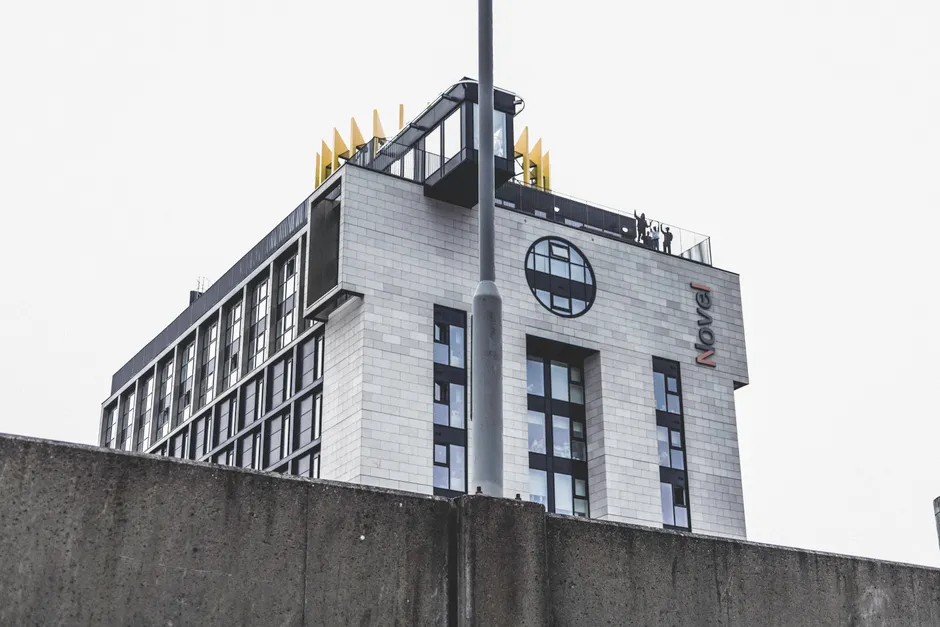
The assault took place at Hotel Bamy, a hotel on the outskirts of Malabo now used as a detention center for U.S. deportees. About 30 U.S. deportees remain held there. The United States has sent at least 66 people from several African countries, Cuba and Brazil to Equatorial Guinea, which received $7.5 million in a deal to cooperate with the U.S. deportation program. Detainees told the Guardian that armed guards watch them around the clock and that they have had no medical care or fresh clothes since arrival.
The beating followed the release of a video first reported by Reuters that showed conditions in the hotel and violent behavior by guards. Detainees said they believe Soliman and Birhane were beaten because they told journalists and rights advocates about poor conditions and violence inside. Witnesses said officers shouted "Where is the phone? Where is the phone!" while beating the men.
There have been other confrontations over phones at the site. Police in Equatorial Guinea pulled firearms on migrants deported by the United States, according to three witnesses and video footage described by Reuters. In a separate incident at Hotel Bamy in Malabo, an officer pointed a firearm at a U.S.-deported migrant. Witnesses said that dispute was over access to mobile phones, according to CNBC Africa. Lawyers say U.S. deportees held in Malabo face security risks.
The detainees were flown to Equatorial Guinea after resisting deportation to Liberia under the Trump administration, Reuters reported in August. An account from that time, attributed to Soliman, said 40 people were held in a decommissioned hotel in Malabo. The phones matter because they carry contacts for lawyers, journalists and families.
In separate U.S. immigration controls, the U.S. Department of State is fully suspending visa issuance to nationals of Equatorial Guinea. It is also fully suspending visa issuance to nationals of Eritrea.
The broader context here is third-country deportation, in which the U.S. sends people to a country that is not their own. Think of it as paid detention abroad. Washington pays the partner government, which then holds non-nationals with no prior ties to its territory. Oversight depends heavily on witness accounts, smuggled video and visits by advocates. That leaves a thin public record, and makes phones especially important.
Looking at what this means for the people still in Hotel Bamy, the transfer of Soliman and Birhane to prison in Malabo may affect whether others speak out. Other detainees may now weigh contacting outsiders against fear of retaliation. For policymakers and courts reviewing these arrangements, the sequence from video disclosure to alleged punishment and loss of contact is likely to shape questions about monitoring, access to counsel and medical care, and the terms of the $7.5 million agreement.