Ukraine Hits Moscow on Election Day With Drones and First Ballistic Missiles

Ukraine fired hundreds of drones and ballistic missiles at Moscow and other parts of Russia on Sunday, September 20, 2026, on the final day of Russia's parliamentary elections. Kyiv said the operation included ballistic missiles, the first time it has publicly acknowledged using them in the full-scale war. The Guardian
Moscow Mayor Sergey Sobyanin said Russian defences intercepted more than 1,600 drones, with 450 aimed at Moscow. The human toll reported was limited. If those interception figures from Russian officials are accurate, it would rank among the largest air attacks on the Russian capital since the full-scale war began.
President Volodymyr Zelenskyy said Ukraine used its Pelican short-range ballistic missile together with its Flamingo cruise missiles aimed at Moscow. A ballistic missile follows a high arc and drops fast, which leaves less time to stop it. A cruise missile flies low and steady, more like a pilotless plane. Ukrainian officials said both weapons were made at home. The Pelican has an estimated range of about 350km (217 miles), and its public acknowledgement adds a new weapon type for Kyiv.
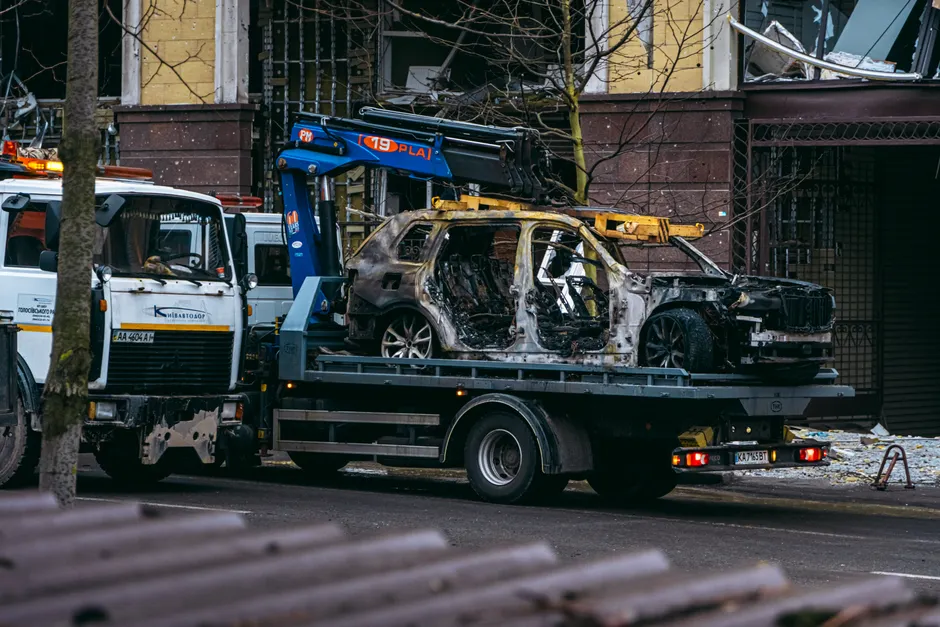
Zelenskyy said the strikes damaged one of Russia's key oil industry facilities. Sobyanin said a facility on the grounds of the Moscow oil refinery was damaged. A drone hit a 21-storey residential building and started a fire, forcing 400 people to evacuate. At least two people were killed. Moscow regional Governor Andrey Vorobyov said the dead were a 44-year-old woman and an elderly man, killed in two separate locations.
The large attack on the Moscow region took place on Sept. 20, the last day of voting. The Independent Sobyanin had said more than 350 Ukrainian drones targeted the capital on Friday morning, before the final voting day. Russia also reported powerful cyberattacks on the second day of the parliamentary vote. Al Jazeera
Zelenskyy described the strikes as part of a steady campaign against Russian energy. He called Ukraine's long-range strikes "sanctions," meaning attacks intended to cut oil income rather than legal penalties. He said the effects were visible in the Moscow region that morning. On defence, Zelenskyy has stated that Ukraine built a counter-drone system with an interception rate of more than 90%. On Sept. 9, 2026, he discussed work on the FREYJA Anti-Ballistic Missile Program with defense company executives, according to the Ukrainian presidency.
The broader context here is a war where long-distance strikes and voting now overlap. Hitting the capital area during a national election brings the war closer to daily life far from the front. Russian authorities want to show voting continued and air defences held. Ukrainian planners want to show long reach, home-built weapons, and pressure on the oil money that funds Moscow's war. Interception counts, damage reports, and success claims come from sides with an interest in the outcome, so they cannot be taken at face value.
Looking at what this means for managing escalation, the public addition of a Ukrainian ballistic missile changes the calculation. One-way attack drones and cruise missiles fly on steadier paths that defences can track. Short-range ballistic missiles fall much faster and put stress on defences around valuable targets like refineries and command posts. If Pelican can be built in large numbers and fired together with Flamingo in combined attacks, Russian defences around Moscow would have to fight different kinds of threats at the same time. That problem, more than damage on any one night, will shape the next stage of the long-range campaign and the diplomacy around it.