Mona Khalil, Lebanese Sea Turtle Advocate, Dies After Israeli Strike Near Tyre

Mona Khalil, Lebanese Sea Turtle Advocate, Dies After Israeli Strike Near Tyre
Mona Khalil, the environmental activist who spent decades protecting sea turtle nesting grounds along Lebanon's southern coast, died on June 19, 2026 in Beirut from injuries sustained in an Israeli strike on her home near Tyre. She was 76.
Born in Lagos, Nigeria on August 2, 1949, Khalil became one of Lebanon's most prominent conservation figures, working specifically to safeguard nesting sites for loggerhead and green sea turtles — both species classified as endangered under international wildlife protection laws. Al Jazeera reports she was severely wounded in the strike and later succumbed to her injuries.
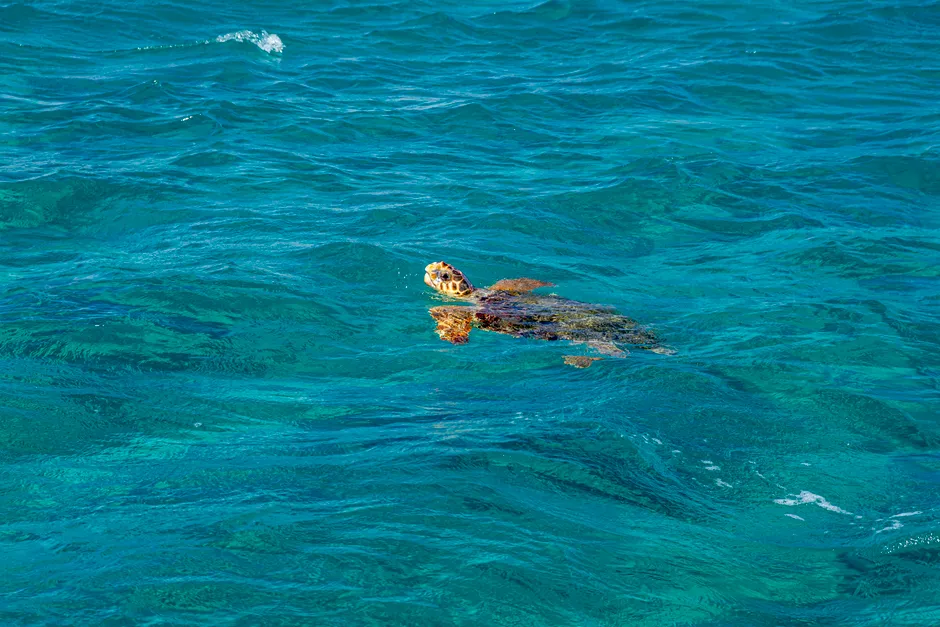
The stretch of southern Lebanese shoreline near Tyre ranks among the eastern Mediterranean's most ecologically important habitats. Loggerhead (Caretta caretta) and green (Chelonia mydas) turtles return to the same beaches where they were born to lay eggs, making coastal stability essential for the species' survival. Decades of conflict, coastal development, and the current military escalation have compounded stress on this habitat. Khalil worked within that reality for most of her career, enforcing protections for nesting sites in a region where governmental environmental oversight has been inconsistent.
The New Arab described her as a "sea turtle protector and guardian of south Lebanon" — a characterization that reflects both her scientific expertise and her sustained physical presence on the ground, even as others withdrew or could not maintain a foothold.
Her death occurred during ongoing Israeli military operations in Lebanese territory. The strike that wounded her targeted her home — placing her among civilians caught in a conflict where residential areas, agricultural land, and military positions have increasingly blurred together. No verified statement has confirmed the military intent of this specific strike.
For regional conservationists, her loss carries specific weight. Protecting sea turtle nesting habitat in active conflict requires not only technical training but consistent physical access — night patrols during nesting season, monitoring for poachers, and coordination with local communities. That kind of on-the-ground work is difficult to replace quickly. Organizations can document and map habitat; they cannot easily rebuild the decades of trust and local knowledge that an individual figure like Khalil carried.
Lebanon's southern coast has experienced successive waves of conflict — in 1982, 2006, and now — each disrupting ecological surveys and fracturing the human networks that conservation depends on. Whatever gaps those periods created in scientific records, Khalil's presence helped maintain continuity. That thread is now broken.
She was 76 and working.