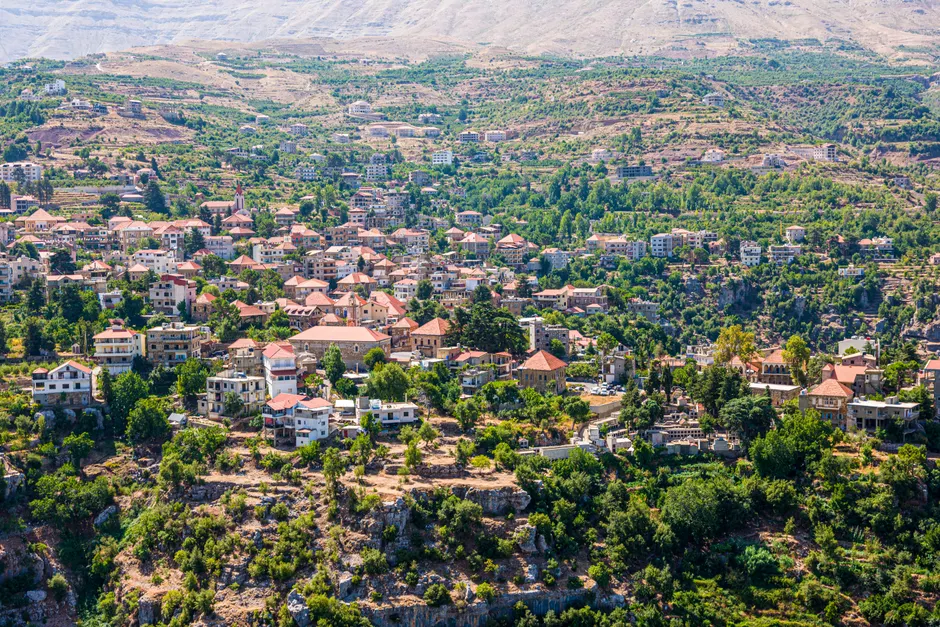
Inside Israeli-Occupied Southern Lebanon: A Ceasefire on Paper, Destruction on the Ground
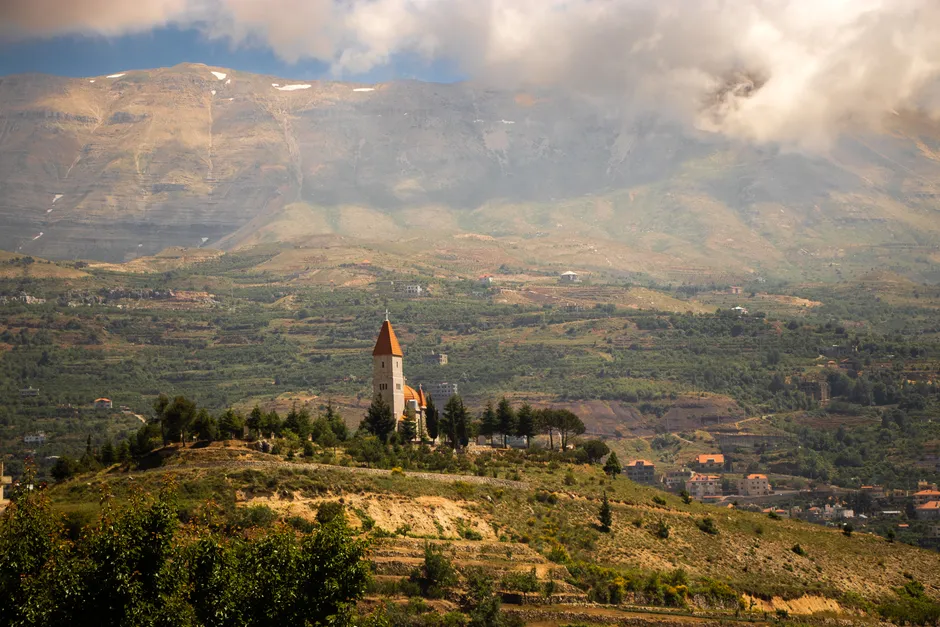
BBC Middle East correspondent Hugo Bachega gained rare access to Israeli-occupied southern Lebanon on June 20, 2026, traveling with a humanitarian convoy through territory largely sealed off since Israeli forces moved in during the 2024 conflict with Hezbollah.
What he documented was systematic demolition. Whole villages have been leveled — not damaged, but completely destroyed — with demolition work continuing despite the ceasefire agreement reached in November 2024. Countless buildings across multiple villages no longer stand. The communities are empty. The people who lived there have not returned.
The displacement figures give that absence weight. Reuters reported on June 19 that 1.2 million people were displaced during the conflict and more than 3,900 were killed. Another Reuters report from May 2026 noted that roughly one-fifth of all Lebanese territory was emptied of civilians through Israeli evacuations and air strikes — a figure that still frames the humanitarian scale months after the formal end of fighting.
The Ceasefire's Limits
The November 2024 ceasefire included a 60-day implementation period during which Lebanese civilians began returning home. That initial movement suggested the agreement was working. It did not hold in the south, or at least not in the way intended.
Israel struck dozens of Hezbollah targets across Lebanon — including Beirut's southern suburbs — as recently as March 2026, BBC reporting confirmed. By April 2026, the ceasefire was formally in place but increasingly contested in practice. The demolitions Bachega documented this week fit that pattern: military activity on occupied ground continuing in a form that draws less international scrutiny than air strikes, but carries the same practical outcome for civilians hoping to return.
A ceasefire, by definition, halts active hostilities between armed groups. It does not necessarily prohibit an occupying force from demolishing structures on territory it controls — a distinction that has historically allowed building destruction to continue under the diplomatic cover of a ceasefire agreement. Whether what is occurring in southern Lebanon violates the specific terms agreed in November 2024 is a question for the parties involved and whatever monitoring mechanisms exist. Bachega's access via humanitarian convoy, rather than through formal military or press channels, itself illustrates how tightly access to the area has been restricted.
Why This Reporting Matters
The rarity of Bachega's access is significant. Southern Lebanon under Israeli occupation has been among the least-reported occupation zones in the current regional conflict. Humanitarian convoys represent one of the few legitimate ways for outside observers to enter the territory. The fact that the BBC's first substantial ground reporting from this zone comes via that route — not through military embeds or independent journalist access — reflects how controlled the information flow from the area has been.
For those tracking the conflict's course, the ground-level evidence Bachega gathered matters for concrete reasons. The destruction of villages at scale makes civilian return physically impossible regardless of future political agreements. Rebuilding timelines in post-conflict Lebanon — even with strong international funding — stretch across years. Lebanon's government, already financially weakened before this conflict, lacks the resources to rebuild an entire region.
The international attention given to Lebanon's displacement and casualties has been disproportionately small. Over 3,900 killed and 1.2 million displaced have received far less diplomatic focus than other parts of the same regional conflict. Whether that shifts as documentation from inside the occupied zone accumulates remains unclear — a question that Bachega's reporting and the access it represents will directly shape.