iPhone 18 Pro Teardown: How Apple's Variable Aperture Camera Works

iFixit has disassembled the main camera of the iPhone 18 Pro and iPhone 18 Pro Max to document the variable aperture lens inside. The report, Inside the Tiny Unfixable Eye: iPhone 18 Pro and Pro Max Teardown by Elizabeth Chamberlain, was published on September 20, 2026 iFixit.
How the iris works
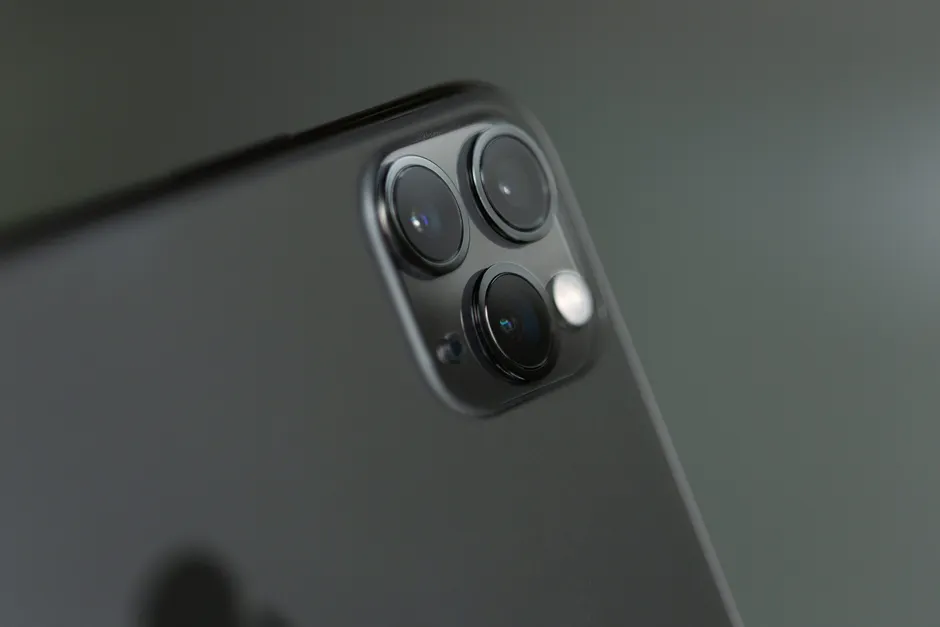
The part is the 48MP Fusion main camera, with variable aperture and software-adjustable shutter speed. Aperture is the opening that sets how much light reaches the sensor. Here light is metered by an adjustable mechanical iris that opens and closes magnetically. The iris uses six overlapping leaf-like blades, each about as thin as a human hair. Apple fit that stack into the same main camera footprint used by iPhone 17 Pro series models.
Control is discrete, not continuous. The camera app offers four preset apertures, from widest to narrowest: ƒ/1.48, ƒ/1.8, ƒ/2.8, and ƒ/4.0. Apple describes the 48MP Fusion Main camera with variable aperture as the most advanced camera Apple has ever made, and notes variable aperture on iPhone 18 Pro for the first time Apple. The company states the system automatically adjusts for depth of field, the zone that appears sharp, and lighting, and states it offers better-quality low-light photography and crisper details.
Repairs and photo results
iFixit called the lens "a feat of precision engineering." The firm assessed the mechanism as close to impossible to repair, requiring specialist tools, techniques and knowledge. In practice, a failure in the iris means replacement of the entire camera assembly. The camera assembly itself is easy to access. For reference, the iPhone 17 Pro camera assembly costs $249 The Verge.
The teardown also flagged a separate concern around the display. The screen's plastic frame tore apart on three of the four iPhone 18 Pro phones iFixit opened. The finding forms part of a wider exploration of a potential issue involving display repairs.
The Verge's iPhone 18 Pro review found the variable aperture lens made a generally marginal improvement on overall photography. The Pro models also carry a 48MP Fusion Ultra Wide camera that captures wider fields of view and enables macro photography.
The broader context here is a familiar engineering bargain in compact systems. Magnetic actuation and hair-thin leaves allow mechanical aperture control without expanding the module, which preserves board and battery volume. It also pushes service from component repair to module swap. In my view, that is a rational outcome rather than a design lapse. Miniature diaphragms were never bench-serviceable parts, and mechanical exposure control paired with computational pipelines gives engineers an additional physical variable for depth of field and low-light capture, even if the first-generation gain is incremental.