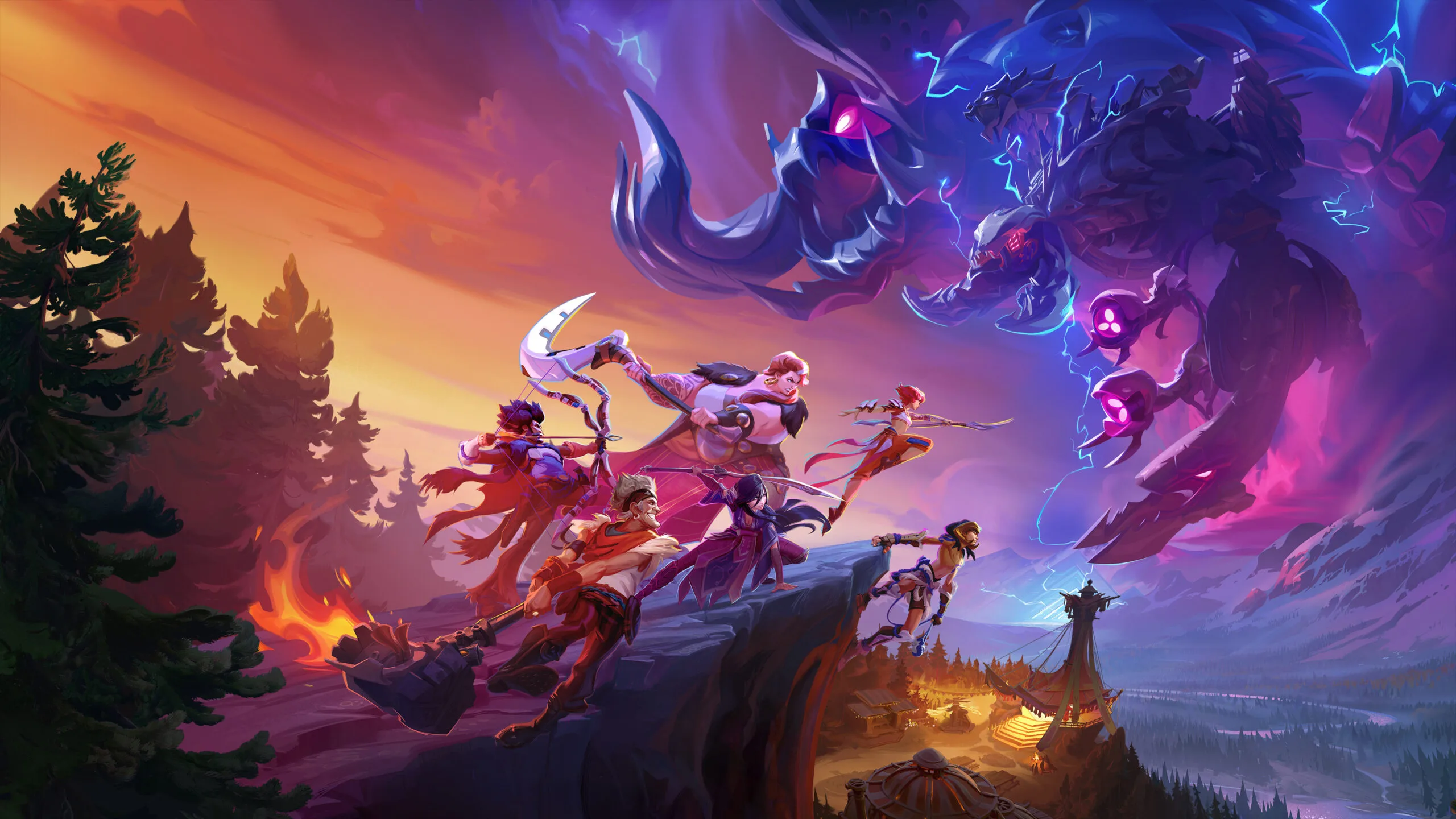
Bungie Will Restore Vaulted Destiny 2 Campaigns, Destinations and Raids

Bungie plans to restore vaulted campaigns, destinations and raids to Destiny 2, reversing the Destiny Content Vault model it created six years ago to remove older content from the game. The Verge
All Destiny 2 players will get access to the restored content. Bungie acknowledged that removing those experiences had a lasting impact on player trust and enjoyment of Destiny.
The work is not a simple toggle. Bungie said returning content must be updated for lighting, encounters, combatants and underlying systems due to changes made with the Beyond Light expansion. The engine, the lighting pipeline that renders light and shadow, sandbox tuning that covers weapon and ability balance, enemy behavior and mission scripting have all moved on. Old content must be ported forward, re-lit, re-tuned and re-tested against the current client and server builds.
The vault dates to June 2020, when Bungie announced that Mars, Io, Titan, Mercury and Leviathan would enter the Destiny Content Vault that fall. Bungie Bungie states its Destiny Content Vault contains all destinations and activities from both Destiny 1 and Destiny 2. Bungie Help Even at that time, Bungie stated that content entering the vault may return in the future, altered if necessary to fit the new state of the universe.
Policy around the vault has shifted since. In August 2022, Bungie announced that Destiny 2 expansions would no longer be vaulted. Bungie later moved certain destinations, seasonal content, activities and quests into the vault with the launch of Year 8 on July 15, 2025. On May 21, 2026, Bungie announced it is bundling all Destiny 2 content packs into a singular purchase available on June 9, including campaigns and Dungeon Keys. Bungie Bungie will release the final live-service content update for Destiny 2 on June 9, 2026.
Weeks before the restoration announcement, a Sunrise Destiny 2 offline preservation mod that lets players access older vaulted areas appeared. That timing matters for context, not as a cause. Community preservation efforts kept interest in removed destinations visible while Bungie prepared its own plan.
Bungie described the restoration as a first step to lay the foundation for new stories and games, without announcing a Destiny 3 sequel. Separately, Bungie admitted its game Marathon did not reach as many players as hoped and said it will expand deeper into a survival experience.
The broader context here is familiar to anyone who has run a live-service game at scale. Vaulting reduced install size, build complexity, testing load and update cost. It also broke continuity for new players, removed story background, fragmented lore and weakened the shared history that keeps social groups playing together. That tradeoff failed.
In my view, the technical detail explains the size of the task. Lighting, encounters, combatants and underlying systems points to parts that cannot be updated alone. Re-lighting points to a changed renderer and exposure model. Encounter and enemy updates point to balance, difficulty and AI changes that would make old missions play incorrectly or break. Underlying systems points to progression, inventory, Triumphs, matchmaking and instancing logic that no longer match the old assumptions.
Worth flagging for developers, the access decision matters as much as the engineering work. Making restored campaigns, destinations and raids available to all players lowers permission-check complexity and avoids splitting matchmaking pools. It also restores a full test surface. Every returning strike, patrol space and raid must be maintained, patched and kept compatible with future balance changes. That is ongoing cost, not a one-time port.
Looking at what this means for players and for Bungie, restoration rebuilds a continuous canon. New players can play the history other players reference. Returning players can revisit places tied to specific loot, raid mechanics and social memories. Future stories need less exposition for events players could never experience. In my view, that is optimistic. A live game that keeps its past has more material to build with, and gives players more reason to stay.