Bonta defends Paramount-Warner Bros. settlement: 'I don't think these two companies should merge'

California's top lawyer says he still does not want Paramount and Warner Bros. to merge. He spent 45 minutes on Monday, 21 September defending the deal that lets it go ahead anyway.
Attorney General Rob Bonta told reporters the settlement reached by 12 states includes independent monitoring, more jobs in Hollywood and a commitment from Paramount to increase domestic production, according to Variety. His office said the agreement contains court-enforceable commitments for more films and an additional $1.5 billion for home-grown film, in a release titled 'Attorney General Bonta Announces Settlement in Warner Bros/Paramount Litigation'.
"I don't think these two companies should merge," Bonta said. He acknowledged the outcome was not his preferred result.
That tension ran through the briefing. Bonta had sued in July to block the $110 billion acquisition, with the stated goal of winning robust structural remedies, a term for fixes such as forced sales of businesses to preserve competition. The final deal contains no such remedies. Bonta still described the remedies won as very strong and said the states got the antitrust resolution they wanted, using antitrust to mean the laws designed to preserve competition.
Courtrooms "always have risk," he said, when asked whether the states could have won at trial next spring. That risk shaped the decision to settle.
For viewers, this means the merger moves forward with production promises attached rather than break-ups. Paramount has committed not to sell its Los Angeles lots for at least five years, according to Bonta. He called the agreement "the opposite of Disney-Fox."
The path to that point was bruising. Bonta led a coalition of 12 attorneys general in filing the challenge to Paramount's proposed purchase of Warner Bros. Discovery. California later negotiated an agreement to keep the merger from closing until 1 June 2027, or until the court issues a ruling. Talks collapsed in August 2026, when Bonta accused Paramount of leaking details of a Friday meeting and acting in bad faith, an account Paramount denied, according to Reuters.
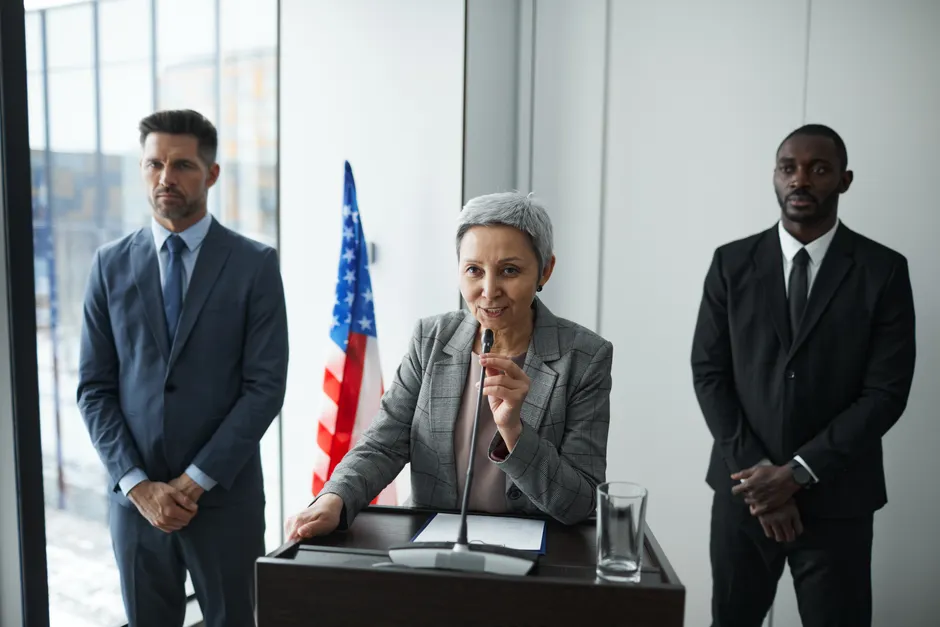
Bonta appeared alone at the podium, without his trial team or representatives from the other 11 states. He said all 12 states signed on to the settlement.
Not everyone is satisfied. Connecticut Attorney General William Tong said he was deeply disappointed the deal does not include divestiture, meaning a forced sale, of CBS and CNN. The Writers Guild of America, the labour organisation for screenwriters, was not involved in the states' negotiations, Bonta said. The Guild filed its own antitrust suit and resolved it over the weekend, saying the terms "fall far short of adequately protecting writers" but that it could not bear the cost of continuing without support from the states.
Pressure around the case was public. Paramount threatened to relocate to Tennessee amid the dispute and sought a court order to force the 12-state coalition to pay $1.88 billion for delaying the deal.
What makes this stand out is the candour. A prosecutor arguing he opposed the merger, doubted his trial odds and settled anyway is rare. The next test is delivery on films, jobs and lots.