California's Discrimination Case Against Tesla Goes to Trial
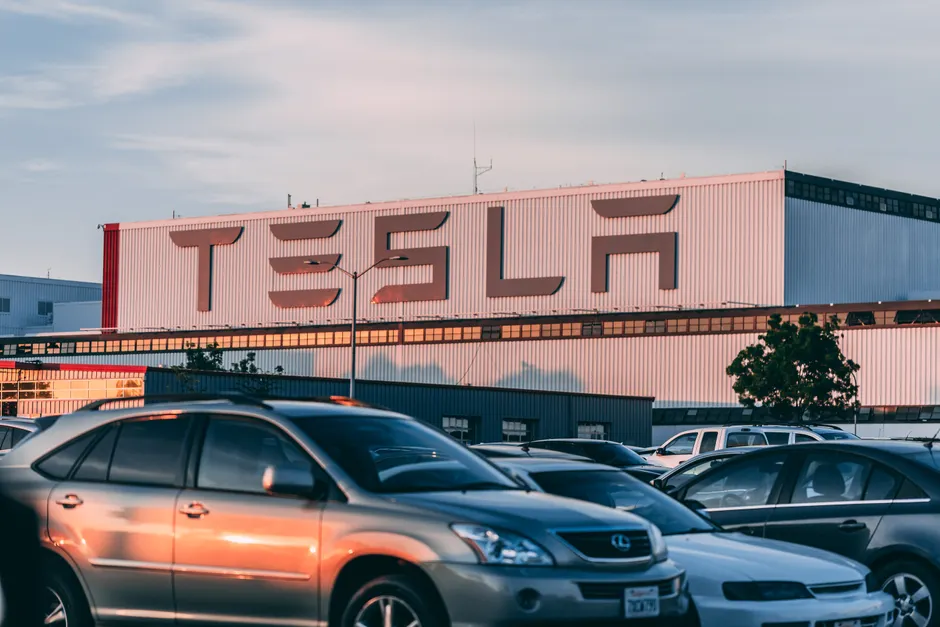
Opening statements began on Monday, September 21, 2026, in California's lawsuit accusing Tesla of systemic anti-Black discrimination at its Fremont factory.
The state filed the case in February 2022 under California's Fair Employment and Housing Act, the state law that prohibits discrimination in hiring, pay, promotion and firing. It is being tried as a bench trial, which means there is no jury and Judge Peter Borkon will decide the outcome. Proceedings are expected to run through the end of October 2026.
The plaintiff is the California Civil Rights Department, the state agency that enforces California's civil rights laws. Brett Watson is representing the department at trial, while Tyree Jones is the lead lawyer for Tesla. The department brings the action on behalf of a group under Government Code section 12961, based on what it calls a pattern or practice of race harassment and discrimination. That term means repeated, company-wide conduct, not a single isolated incident.
The state's core claims center on segregation and unequal treatment. It alleges the Fremont plant was racially segregated and that Black workers were paid less, promoted less often and terminated more frequently than white counterparts The Guardian. California is seeking financial damages and injunctive relief, a court order that could require Tesla to change labor practices and internal policies.
Much of the opening focused on conditions inside the plant. Black workers alleged racist graffiti including the N-word, "KKK", swastikas, the Confederate flag and "go back to Africa" was found in bathrooms, lockers, benches and lunch tables. One worker told state lawyers he heard racial slurs as often as 50-100 times a day. Other Black workers referred to the Fremont factory as a "slaveship", "the plantation" and "The Elon Slave Labor Association".
Tesla has denied wrongdoing and called the lawsuit "misguided". The company has said it does not tolerate discrimination and has fired workers found to have engaged in misconduct US News. In a 2022 statement, Tesla said that, despite repeated requests, California's DFEH declined to provide Tesla with the specific allegations or factual bases for its discrimination lawsuit.
The California case is the first lawsuit brought against Tesla by a government agency on behalf of dozens of workers. It survived extended pretrial challenges. Tesla was barred from pausing the case while it challenged the agency's powers. On May 27, 2026, the Civil Rights Department announced a state court order clearing the path for the case to go to trial California Civil Rights Department. The court held that the department's evidence shows factual issues for a jury to decide as to whether Tesla is liable for systemic anti-Black discrimination.
The trial follows years of separate racial-harassment litigation tied to the same factory. Owen Diaz sued Tesla in 2017 over claims arising from his work at the Fremont plant in 2015 and 2016. Diaz said managers ignored his complaints about racial harassment. A federal jury awarded $137 million to Diaz. A federal judge later reduced that award to $15 million. In a subsequent damages retrial, a federal jury in San Francisco ordered Tesla to pay about $3.2 million to a Black former employee after finding Tesla failed to prevent racial harassment. Tesla later settled its case with Diaz with undisclosed details.
A separate federal civil rights agency lawsuit alleged Black workers were subjected to racist slurs and graffiti including nooses. That action was filed in September 2023, with the federal agency claiming Tesla had tolerated severe harassment of Black employees Reuters. An earlier procedural dispute also tested Tesla's use of arbitration, a private process outside court for resolving disputes. In May 2019, a California appellate court denied Tesla's motion to compel former employee Marcel Vaughn to arbitrate his racial discrimination claims.
The broader context here is enforcement leverage. Individual verdicts and settlements decide pay for one person. A pattern-or-practice case asks a wider question: did personnel systems produce unequal outcomes across many workers. A finding of systemic liability could support class-wide relief and court-ordered changes to hiring, promotion, discipline, complaint handling and monitoring. For specialists, testimony on pay, promotion and termination disparities will matter as much as testimony about slurs and graffiti.
In my view, the choice of a bench trial sharpens that focus. Without a jury, argument centers less on storytelling and more on whether statistical and documentary evidence meets the legal test for pattern or practice, and whether Tesla's response was adequate once it had notice. The October timeline suggests a detailed record. Any ruling will likely shape how the parallel federal harassment case proceeds and how other large employers in California calibrate internal investigations.


