Bolivia's Emergency Powers: When Austerity Pushes a Government to the Breaking Point

Bolivia's Emergency Powers: When Austerity Pushes a Government to the Breaking Point
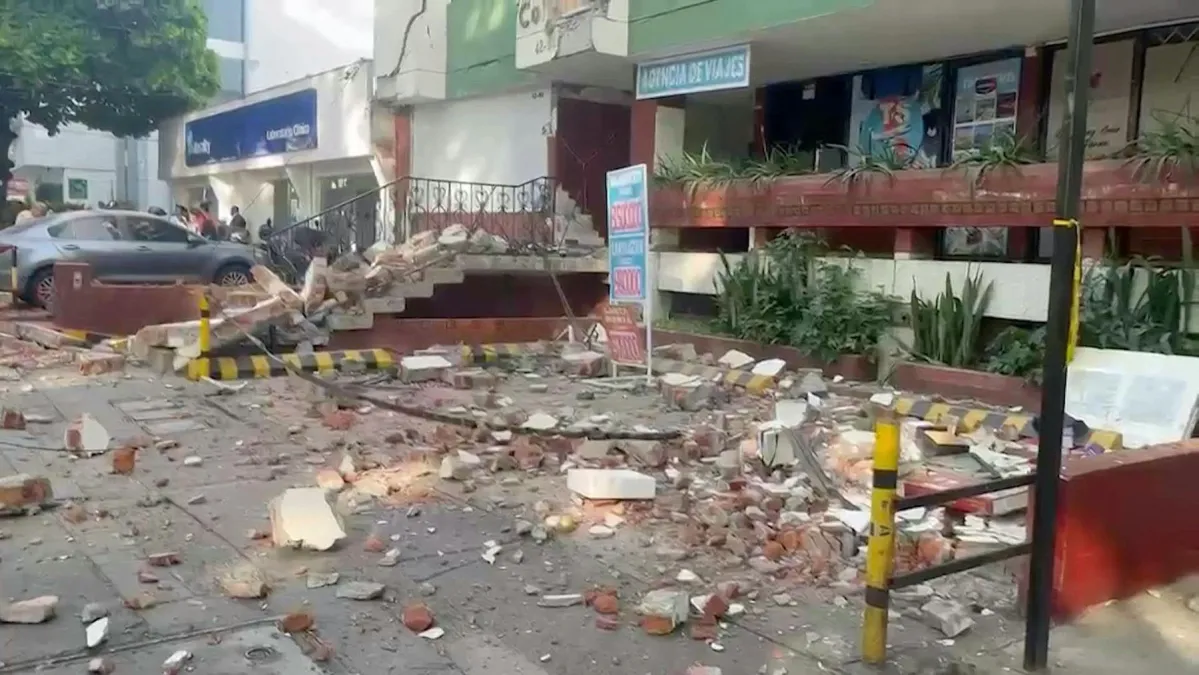
On June 20, 2026, President Rodrigo Paz declared a nationwide state of emergency in Bolivia. Highway blockades and five weeks of sustained protests over government spending cuts had escalated beyond what normal crisis management could handle. The president was invoking emergency powers — a last resort that allows the military to be deployed domestically and civil liberties to be suspended — signaling that his government now saw the blockade threat as more dangerous than the political cost of a securitized response.
The immediate crisis was a logistics breakdown. Starting in May 2026, a workers' strike turned into coordinated roadblocks that severed connections between major cities. This tactic has deep roots in Bolivian labor history and tends to compress political timelines fast. Supply chains to neighboring cities were disrupted, and despite pledges from the new Defense Minister in early June to clear the roads, according to Reuters, little headway was made.
The anger driving the blockades centers on Paz's austerity package — a set of government spending cuts meant to reduce the budget deficit. The most politically explosive piece was the cancellation of fuel subsidies. In the Andes, fuel subsidies are not just a budget line item; they affect transport costs, agricultural production, and small business operations all at once. According to Al Jazeera, when subsidies disappear, the pain hits working-class and rural households first and hardest. This explains why the coalition against Paz has grown so broad — it spans different sectors and regions, not just one group of workers.
The protests have escalated beyond demanding policy changes. Demonstrators are calling directly for Paz to resign. Clashes between protesters and police have turned physical, with demonstrators throwing firecrackers, stones, and sticks, according to AP reporting on June 8. A demand for the president's removal is qualitatively different from a demand to restore subsidies. It collapses the negotiating space. A government can retreat on subsidies and claim a tactical loss. But a government facing resignation demands must either hold its ground or fall.
Washington signaled early support. The U.S. announced it was increasing emergency assistance to Bolivia in response to the unrest, Reuters reported on June 5. Whether that assistance was humanitarian (food, medical aid), budgetary (money to the government), or security-related matters considerably. Emergency foreign aid during domestic unrest reads as an alignment signal to neighboring governments and opposition movements.
The structural trap here is this: austerity measures and fuel subsidy cuts are rarely reversible without triggering a separate crisis with lenders. If Paz's spending cuts were required by an IMF program or international financing agreement, rolling them back requires renegotiation with creditors, not just political will. That constraint — if it applies — means the government may have very limited room to offer the concession that would most directly defuse the protests.
What happens next hinges on whether emergency powers let Paz reopen the blockaded highways fast enough to stabilize the economy before the political opposition strengthens further. Five weeks of sustained protest, a workers' coalition capable of maintaining highway blockades, and a unified demand for presidential resignation are a durable pressure campaign. States of emergency can buy time. They do not, on their own, resolve the underlying fiscal and distributional conflicts that brought Bolivia here. Military deployments to break strikes and blockades have historically sharpened Bolivia's political crises rather than resolved them — the 2003 Gas War being the starkest example of what can go wrong.