Meta's Emissions Deal Helps MacroCycle Toward Its First US Recycling Plant
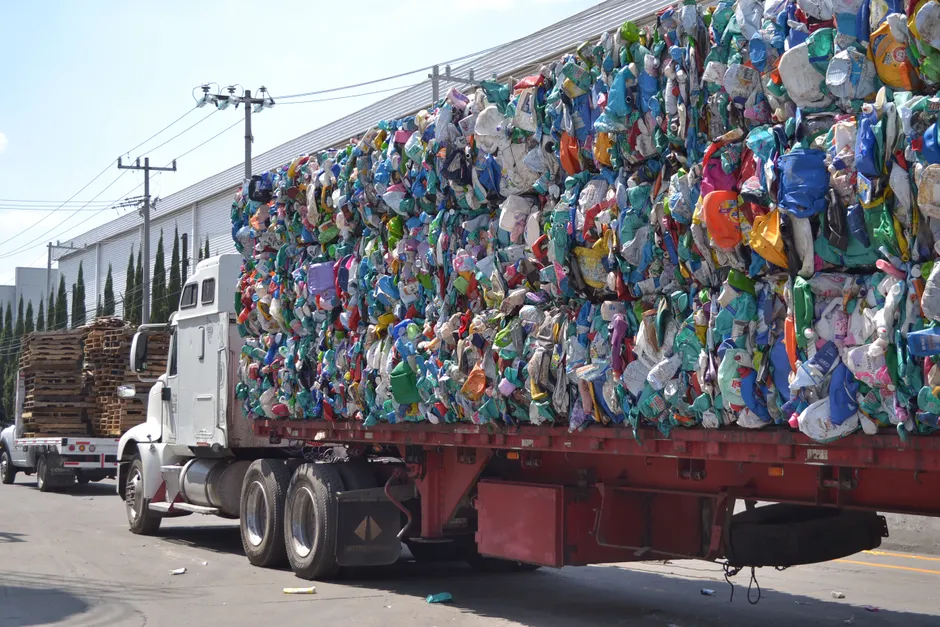
MacroCycle has signed an agreement with Meta that will help it build its first commercial plastics-recycling plant in the United States. TechCrunch
Under the agreement, Meta will pay MacroCycle for the rights to avoided emissions from recycled plastic. Meta can then count that reduction toward its own carbon footprint. A Meta spokesperson confirmed it is the first such emissions deal the company has signed.
The payments are structured as environmental attribute credits, or EACs. They work like receipts for the climate benefit, sold separately from the plastic itself. For MacroCycle, they provide contracted revenue to support construction of the new plant. For Meta, they secure a verifiable emissions benefit without taking physical delivery of the material in the near term.
MacroCycle is based in Cambridge, Massachusetts, and is three years old. The company is led by co-founder and CEO Stewart Peña Feliz. It was a Top 20 finalist in the 2025 Startup Battlefield competition at TechCrunch Disrupt in San Francisco.
At the center is a process that dissolves and purifies PET, a widely used polyester plastic, from waste streams including textiles. MacroCycle says that route produces 80% fewer carbon emissions than making new, or virgin, PET. That figure is the basis for the avoided-emissions claim Meta is buying.
Textiles are the focus because the starting point is uneven. Bottle-to-bottle recycling has established collection and sorting infrastructure. Polyester textiles do not. Blends, dyes, finishes and short product lifetimes make that feedstock harder to recover at high purity with standard mechanical methods. A dissolution and purification approach recovers the polymer for reuse rather than downcycling fiber into lower-value uses.
Scale is staged. MacroCycle says its demonstration plant will be capable of producing 5,000 metric tons of recycled plastic per year. Future plants are described at 50,000 metric tons per year, a tenfold step up from the first unit.
Meta hopes the deal also helps create a market for low-carbon plastics for its packaging and hardware supply chain. Meta describes that as early procurement groundwork, not only carbon accounting. If recycled PET can meet specification for enclosures, trays, films and other hardware-related uses, a large buyer provides steady demand.
The Meta agreement follows earlier private financing. MacroCycle Technologies raised $6.5 million to advance its chemical recycling process for plastic upcycling. Recycling International At the time, the company said it would use the funding to grow operations by 50 percent and scale pilot plant facilities to develop upcycled PET. Recycling Today
The financing question is direct. First commercial plants face technology risk, feedstock risk and offtake risk at once, and lenders price all three. An advance commitment for EACs does not remove those risks, but it creates contracted cash flow separate from early polymer sales. That can ease construction financing and shorten the path to a final investment decision.
The broader context here is how hard the step from pilot to commercial remains for materials startups. Five thousand metric tons tests continuous operation, handling of impurities and product qualification. Fifty thousand metric tons tests steady feedstock aggregation and sustained operating cost. Success would give cloud and consumer hardware supply chains another low-carbon input. Even partial progress leaves operating data on textile-derived PET that the field currently lacks.
In my view, the point to watch is whether other buyers adopt the same EAC template. If they do, avoided-emissions revenue could become a repeatable way to fund recycling infrastructure, alongside physical offtake. The long arc points toward more material staying in use, and deals that pay for construction, not only tons shipped, get there faster.