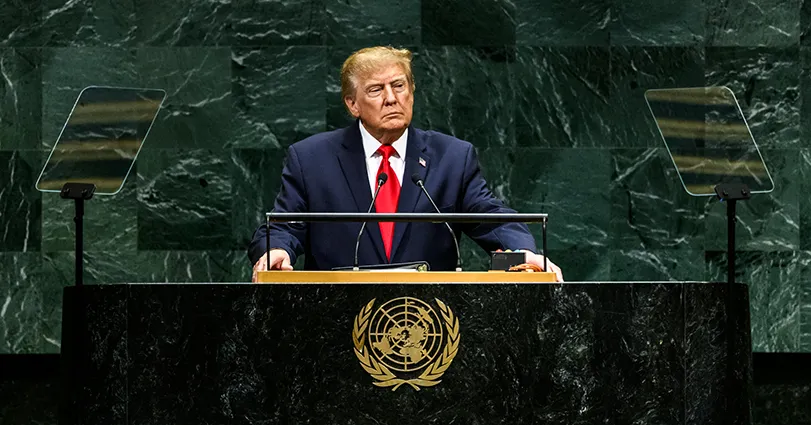
Trump to Meet Gulf Leaders at the U.N. as Iran War Continues
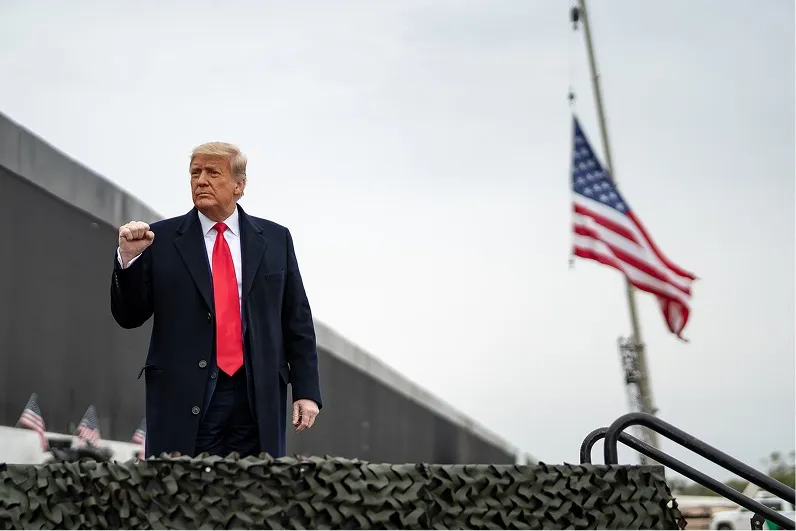
President Donald Trump will meet with Persian Gulf officials on Tuesday on the sidelines of the U.N. General Assembly, the annual gathering of world leaders, as the war with Iran continues.
The session was described by the New York Times in an article titled 'Trump Set to Meet With Persian Gulf Allies as Middle East Wars Widen' New York Times. After his General Assembly speech, Trump is expected to meet with leaders from Britain, Japan, Venezuela and several Persian Gulf nations, according to advance scheduling for the day. Reuters described the program as meetings with leaders from four continents on Tuesday, September 22, 2026 Reuters.
A planned meeting between Iran and several Gulf Arab countries was indefinitely postponed. That left one less direct channel for lowering tensions for now.
Washington has used separate meetings to address Gulf concerns. Secretary of State Marco Rubio met with Gulf Arab leaders to reassure them about a preliminary U.S.-Iran deal, an early and limited understanding. The White House has stated it advanced intensive negotiations toward a comprehensive U.S.-Iran agreement, a full and longer-term deal, and hosted key Gulf and regional leaders.
Both sides have made firm public statements. Trump said he hoped an end to the war against Iran was near. He also warned Iran would fail economically or face its leadership being wiped out if it did not make a deal. Iran warned against new escalation by the U.S. and its allies Reuters.
Yemen is now part of the same agenda. Fighting there involves the Houthis, an armed group based in Yemen, and Saudi Arabia. U.S. officials decided against backing Saudi Arabia in Yemen and met with Houthi leaders, according to reporting last week. Saudi Arabia faces mounting threats from Iran and its allies, while Houthi rebels threaten a Red Sea shipping route used for global trade.
Riyadh has framed Houthi weapons and Red Sea attacks as tied to Iranian escalation. Washington has treated direct contact with the Houthis as a separate line of effort.
The broader context here is a negotiation with competing centers of gravity. The U.S. is pursuing a full agreement with Tehran while telling Gulf capitals their security interests will be reflected. Gulf states want consultation before commitments are made. Tehran wants relief from military and economic pressure without giving up leverage. With the Iran-Gulf Arab format postponed, U.S.-led mediation is the main channel.
Looking at what this means for the next phase, the U.N. sidelines offer speed but not resolution. Such meetings can test whether an early understanding can be turned into principles for a full deal. They can also clarify limits on Yemen and maritime security. They rarely produce enforceable text. What to watch next is sequencing and inclusion, and whether briefings on U.S.-Iran terms shape Gulf positions, whether Red Sea security is linked to nuclear and regional issues, and whether the postponed Iran-Gulf format returns. The schedule packs those questions into one day of diplomacy, with the war still underway.