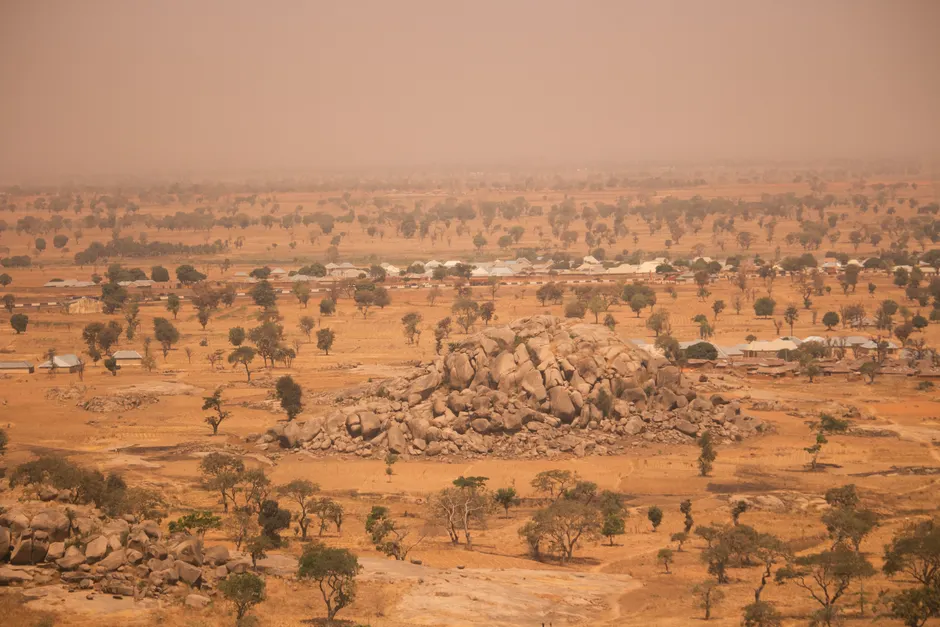
Night Raid Kills 15 and Displaces 10 Villages in Far North Cameroon
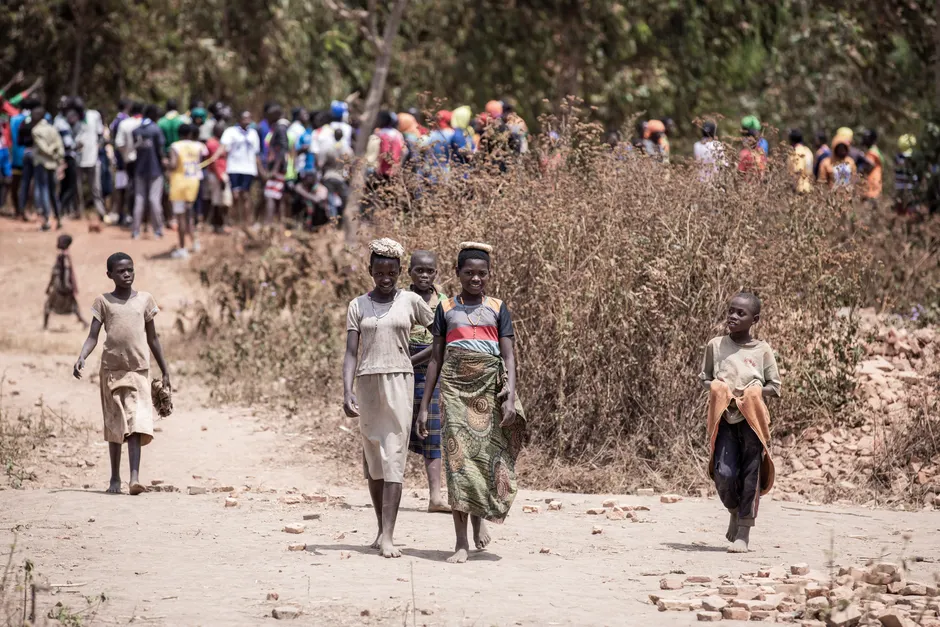
An armed group killed 15 people in Madegoua, a village near the town of Makary in Cameroon's Far North region. The raid forced residents from Madegoua and nine surrounding villages to flee, with hundreds displaced in the immediate aftermath, according to reporting by Al Jazeera.
What happened
Village sources told Reuters the killings occurred during pre-dawn overnight hours. Reuters first reported the attack on September 17, describing the perpetrators as suspected Islamist militants (fighters who claim extreme religious motives for violence) and putting the death toll at at least 15, in reporting available at Reuters.
The displacement split along two axes. Several hundred people fled toward Kousseri. Others moved toward Mora and Waza, close to the border with Nigeria. Ten villages were affected in total.
No group has claimed responsibility. A security analyst told Reuters the attack was likely carried out by the ISIL affiliate in West Africa Province (a regional branch of the Islamic State group) which operates in the area.
The border area and aid situation
Cameroon's Far North region borders Nigeria and Chad. Cameroon is part of the Multinational Joint Task Force (a joint military force of countries around Lake Chad). It is mandated, or formally tasked, to fight Boko Haram (an Islamist armed group) and other armed groups around Lake Chad.
The humanitarian baseline was already extensive. UN OCHA lists more than 845,000 internally displaced persons (people forced from home but still inside Cameroon), nearly 791,000 returnees (people who returned after fleeing), and around 426,000 refugees and asylum seekers (people who crossed a border seeking safety). UNICEF reported more than 2.09 million forcibly displaced people in Cameroon as of September 2025. On 7 February 2026, large-scale fires affected multiple IDP camps in Kolofata, in Mayo-Sava Department in the Far North Region.
What this could mean next
The broader context here is the link between a single raid and wider flight. A death toll of 15 produced flight from 10 settlements. Civilians in the Logone-et-Chari and Mayo-Sava corridors have learned to treat a night attack on one village as a signal for neighbors, like a fire in one apartment sending the whole floor into the street. Humanitarian planners will read the direction of movement closely. Flow toward Kousseri points to a search for urban services and state presence. Flow toward Mora and Waza, nearer the Nigerian border, points to reliance on kinship networks and shorter return horizons if security permits.
Looking at what this could mean for counterinsurgency and diplomacy, the attribution question will shape the next steps. Counterinsurgency means military and political efforts to defeat an insurgency. An unclaimed raid blamed by analysts on the ISIL affiliate fits a pattern of small-unit, high-lethality night operations that avoid holding terrain. For the Multinational Joint Task Force, that type of violence is difficult to deter through static deployments. It rewards cross-border intelligence fusion and rapid response rather than clearance operations. For Yaounde, Abuja and N'Djamena, the capitals of Cameroon, Nigeria and Chad, the test is coordination around Makary and the Nigeria border strip. Militants exploit seams between national sectors. Displaced civilians cross them.
In the weeks ahead, the variables to watch are return rates, secondary displacement, and access for aid groups. If families who reached Kousseri, Mora and Waza remain displaced, shelter and protection caseloads will rise in areas already hosting IDPs, returnees and refugees. If they attempt rapid return to Madegoua and surrounding villages, they will need security assurances and assistance to restart livelihoods. The February fires in Kolofata showed how fragile camp-based shelter can be in the Far North. Another surge of new arrivals would compound that fragility.