White House Launches 24/7 'Trump TV' Stream on YouTube
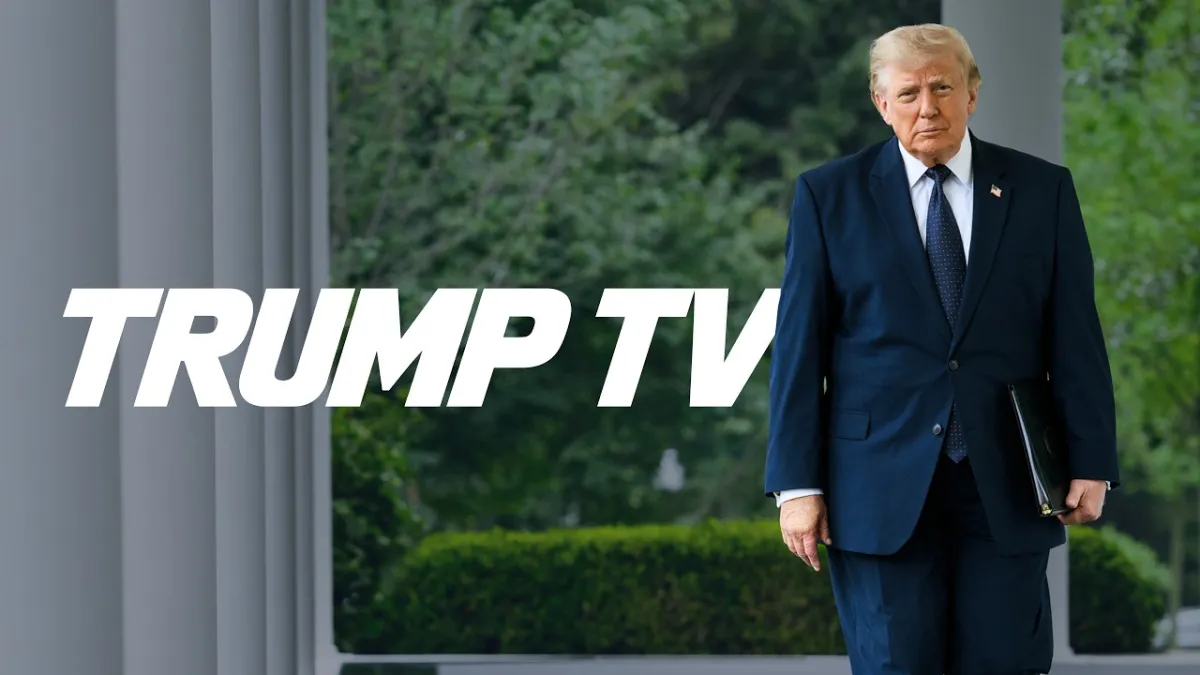
The White House started a nonstop YouTube livestream called "Trump TV" on Monday, replaying President Donald Trump's speeches, bill signings and other moments. The Verge The launch was first reported on Sept. 22, with the administration's video listings dated Sept. 21. The Hill
The feed is listed as "TRUMP TV: The Essentials Station," set up as a persistent YouTube live session that stays online. The channel description says it carries the administration's biggest moments, top videos, major remarks and must-see highlights 24/7 and updated in real time. YouTube
The White House Video Library lists 'Trump TV is Here' and 'TRUMP TV: The Essentials Station' as Sept. 21, 2026 postings. That entry locks in what is technically a single always-on live URL inside YouTube's system, one address that staff can update without posting a new video.
On X, the White House described Trump TV as a 24/7 stream updated in real time with past highlights and announcements. Yahoo The opening lineup was archival. Trump TV started with an 80-day-old speech, according to that report.
White House head of digital strategy Kaelan Dorr said the administration will show Trump's "greatest hits, unfiltered" on YouTube. The Verge In plain terms, that means publishing directly. No edit desk, no pool feed, no outside packaging.
The launch came days after Trump barred CNN, MS Now and Politico from the White House. The Verge Reuters reported on Sept. 18, 2026 that President Donald Trump said he was banning CNN, MS NOW and Politico from the White House. Reuters
CNN, MS Now and Politico sued the administration over the ban, saying it threatens press freedom and the public's right to independent journalism free from government interference. ABC, CBS, CNN, Fox News and NBC issued a joint statement condemning the decision to bar a news outlet because the administration objects to its reporting. California Gov. Gavin Newsom called the livestream "state-run TV."
The broader context here is control over distribution, and the video mechanics will look familiar to anyone who works with platforms. A 24/7 live session works less like a normal broadcast and more like a container. Old clips can be looped, reordered and refreshed on YouTube's servers while viewers and the recommendation system see one continuous stream. That takes less day-to-day work than scheduled premieres and keeps the channel visible in live listings, chat and notifications.
In my view, that is why this matters beyond the press dispute. Earlier administrations used YouTube and social accounts mainly as second outlets for material made for the briefing room. This setup flips that order. The White House acts as its own programmer, with YouTube handling intake, format conversion, delivery and discovery, and X handling promotion. The choice of what to show shifts from newsroom selection to playlist curation inside the administration.
Worth flagging is what stays the same. A loop of past remarks does not add new access, and a feed described as unfiltered is still filtered at the source. The technology makes direct publishing easy. The question for viewers is the same one that followed C-SPAN, cable news and earlier presidential YouTube channels, which source they trust to decide what counts as essential.