Beats 360 Workout Headphones: Swappable Cushions and Water Resistance Explained

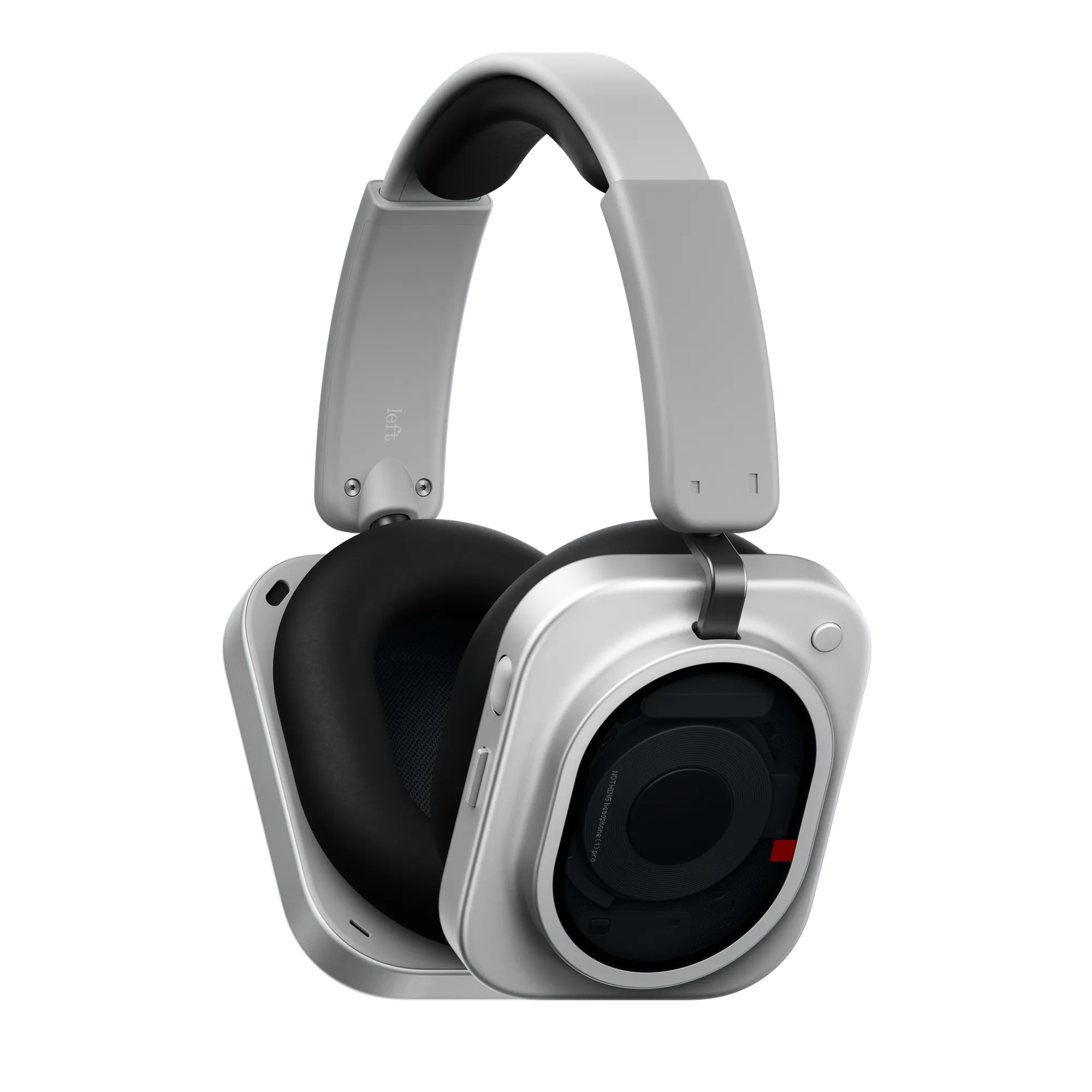
Beats is selling the Beats 360, an over-ear headphone built for workouts, for $350. The design pairs water resistance with swappable knit ear cups for use during exercise. The Verge
The headphones are sold in black, white, light blue and pink. Beats lists the same line on its website as Black, Cloud, Pink and Sky variants, each with matching Performance Knit cushions. Beats
Each cushion kit includes two ear cups and a headband and costs $50. Performance Knit kits are offered in six colors. The Verge lists them as black, white, light blue, pink, navy and fluorescent green, which correspond to the Black, Cloud, Sky, Pink, Navy and Volt names used on the Beats site. UltraPlush kits for earcups and headband are offered in a narrower range, listed as black and white, or Black and Cloud. The Verge
Cushion kits are available for $10 through Apple until the end of October. That temporary pricing applies to kits that otherwise list at $50.
The Beats 360 carry an IPX4 rating, a standard test grade that means protection against splashes of water and sweat. They are described as Beats' first IP-certified headphones. A prior report described them as Apple's first sweat-resistant and water-resistant over-ear headphones. MacRumors
The headphones have sensors that detect whether knit or plush ear cushions are installed. Beats does not describe the cushions as fixed parts. Performance Knit Cushion Kits cover ear cups and headband, and UltraPlush Cushion Kits cover earcups and headband.
The broader context here is the treatment of cushions as replaceable modules rather than wear items to tolerate. Over-ears seal around the ear, which traps heat and moisture during exertion. Knit allows airflow and can be removed for cleaning, while plush favors isolation and comfort, much like choosing between a breathable running shirt and a warmer winter layer. Offering both, in multiple colors, keeps the acoustic assembly stable while the contact surface becomes interchangeable.
Looking at what this means for ownership, the sensor detail matters. Detecting knit versus plush gives the headphone a clear input about the material coupled to the ear. For listeners who work in audio, that raises practical questions about consistency. Seal, distance to the driver, and absorption change with cushion material. A device that knows which cushion is mounted can maintain predictable behavior across swaps, and can keep any user-facing settings aligned with the physical configuration.
In my view, the pricing structure is as notable as the hardware. A $50 kit with two cups and a headband positions cushions as accessories with real margin. A $10 window through Apple lowers the cost of trying the second material and of keeping a spare set for rotation after workouts. If sweat degrades textiles faster than foam and leatherette degrade in indoor use, rotation becomes part of normal maintenance. Low introductory pricing gets more of those spare sets into circulation early, when habits form.
That approach also changes color from a purchase-time decision to an ongoing option. With six knit colors and two plush colors, the headphone can shift appearance without changing electronics. For a workout product subject to staining and odor retention, the ability to swap, wash, and replace the parts that touch skin and hair has functional value beyond personalization. It extends service life for the parts that fail first.