Rubio Defends White House Ban on CNN, MS NOW and Politico
U.S. Secretary of State Marco Rubio on Tuesday defended President Donald Trump's decision to bar CNN, MS NOW and Politico from the White House.
Rubio spoke on NBC's Today show in a tense exchange with host Craig Melvin People. He said the outlets lost their workspace inside the White House but were not shut down as news organizations Al Jazeera.
He rejected the term “ban.” He said police or soldiers are not “kicking down the doors” of the barred outlets NBC News.
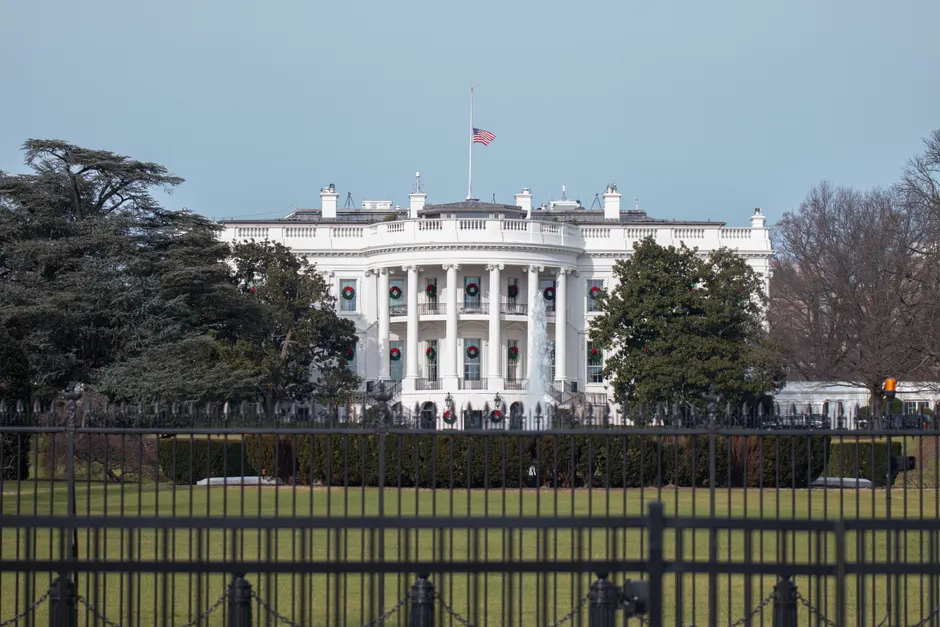
Trump announced the exclusion on Friday, accusing CNN, MS NOW and Politico of repeatedly publishing what he called “fake news” about his administration. Journalists from the three outlets were denied entry on Saturday, and their access credentials were revoked.
The White House set out its position in a release titled “White House Access Is a Privilege — Not a Right” White House. Published on September 21, 2026, it said President Donald J. Trump removed CNN, MS NOW and Politico from White House grounds after years of false reporting.
Vice President JD Vance backed the decision, saying the administration would not give special White House access to outlets engaging in what he called “far-left propaganda.”
The impact showed while Trump was in New York for the United Nations General Assembly. CNN was barred from covering the president as the designated TV pooler CNBC. The pool system assigns one television crew to cover the president for all networks, like a rotation when space is tight.
Major television networks withheld pool coverage of Trump on Monday after CNN was removed from the rotation. Credentials were revoked and coverage was missing.
CNN, Politico and MS NOW sued the Trump administration on Monday, arguing the ban violates their First Amendment rights. The First Amendment includes protections for a free press. The filing sets up a direct test between presidential control over physical access and constitutional protections for journalists.
The White House launched “Trump TV” on Monday evening, a 24-hour streaming channel on YouTube and the White House website featuring videos and speeches from the president. At launch, it aired an archived Trump speech from July at Mount Rushmore.
New York City Mayor Zohran Mamdani said he told Trump during a meeting at Gracie Mansion on Monday that he wanted all members of the press present.
The broader context here is a dispute over access rules. The administration treats workspace presence and pool participation as privileges that can be removed over coverage. The outlets treat exclusion of named organizations as viewpoint-based punishment barred by the First Amendment.
In my view, three pressure points matter. First, whether courts treat credential revocation and pool removal as routine management or as punishment. Second, whether pool solidarity holds or breaks under competition for access to the president. Third, whether direct distribution through an administration-run channel changes the leverage that made the pool system mutually dependent.
Looking at what this means for diplomacy and governance, the episode goes beyond press logistics. Control over who witnesses presidential meetings, including encounters on the margins of the General Assembly, affects how statements are verified and how foreign counterparts shape public messages.