Ineos Pauses Three Hull Chemical Plants Over High Gas Prices
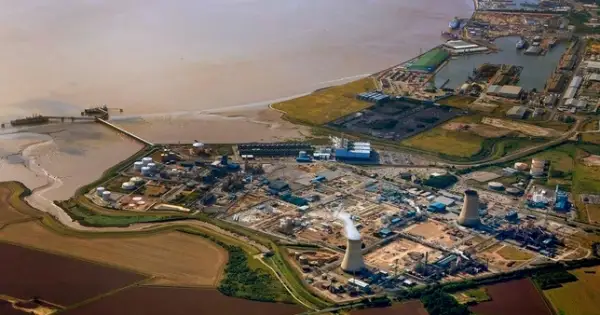
Ineos announced on 22 September 2026 that it was suspending operations at three chemical plants in Hull, blaming high European gas prices. Reuters
In its account of the move, Ineos said it would "mothball" the three plants, meaning it would pause production but keep the sites intact for a possible restart. The company said costs made it difficult to compete in the global market. Production had already paused at two Humberside plants, with the third due to come offline in a few days. The Guardian
About 240 people are directly employed by Ineos across the three Hull-area sites. Ineos said a permanent closure would affect 4,000 jobs including supply-chain jobs, meaning roles at suppliers and related businesses. The Guardian
Sir Jim Ratcliffe, the billionaire owner of Ineos, linked the decision to differences in gas prices between countries. He claimed UK gas prices are 12 times higher than in the US. He claimed UK gas prices are eight times more expensive than coal increasingly used by chemical plants in China. The Guardian
Ineos used similar language in its own announcement, saying it is idling its three Hull plants as energy prices hit 12 times US levels. It describes the three Hull chemical plants as world-scale plants, industry shorthand for very large plants built to serve international markets. It describes the idled Acetyls plant as Europe's last world-scale Acetyls plant. Ineos
A UK government spokesperson responded with a list of support measures. The spokesperson said the government launched a £350m co-investment scheme, or joint public-private funding, to support the chemicals industry. The spokesperson said one discount scheme aims to reduce electricity bills by up to 25% for more than 10,000 manufacturing businesses. The spokesperson said a "supercharger" scheme will cut electricity costs for hundreds of the most electricity-intensive UK businesses by more than £400m a year. The Guardian
The broader context here is the gap between how the two sides define the problem. Ineos frames Hull as a test of whether energy-intensive production, which uses a lot of power, can remain in Britain when US gas and Chinese coal set a lower cost base. London frames the answer through electricity-bill relief and co-investment for chemicals.
In my view, the detail to watch is the distinction between idling and closure. Mothballing preserves physical assets and legal optionality, keeping the option to restart. It also leaves employment and supply chains in suspension. The figures illustrate why: 240 direct Ineos roles sit inside a wider claimed footprint of 4,000 jobs if permanent closure follows. For officials and for customers and suppliers around the Humber, the near-term question is how long mothballed capacity can be held before temporary idling hardens into a commercial and workforce decision that is difficult to reverse.


