Police Say They Foiled an Imminent Plot Against Manchester's Jewish Community Before Yom Kippur
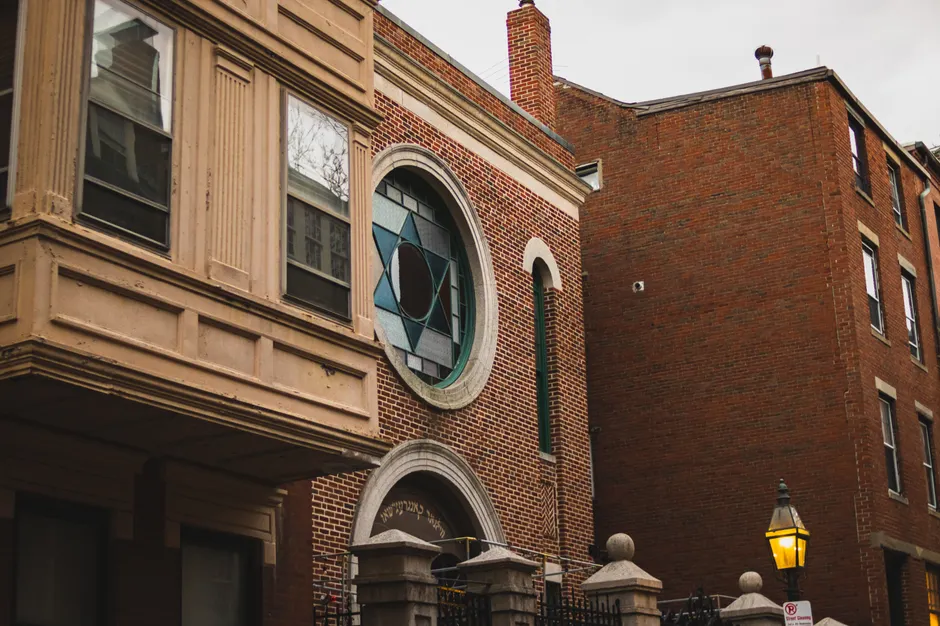
British counter-terrorism police say they stopped an attack they believed was about to happen against the Jewish community around Manchester.
Two men in their 30s were arrested at 2:45pm on Sunday in Manchester under Section 41 of the Terrorism Act, a law that gives police extended powers to arrest and detain in terrorism cases. The arrests came hours before Yom Kippur began in 2026. Yom Kippur is the holiest day in the Jewish calendar, when synagogues hold large services. Police said they acted because they feared the alleged plot was imminent The Guardian.
The arrests followed a proactive investigation that had run for several months. The inquiry was led by Counter Terrorism Policing in London, and the two men were taken to a London police station for questioning. Courts granted warrants for further detention, allowing police to hold the men until Sunday. Searches at Epworth Street in Liverpool and Lancaster Road in Salford are now complete.
Police are examining electronic devices, including mobile phones, seized during the inquiry. Deputy Assistant Commissioner Vicki Evans, the senior national coordinator for Counter Terrorism Policing, spoke publicly about the case. Police said they do not believe there is any ongoing threat to the public linked to this investigation. The UK terrorism threat level stands at severe, the second-highest level, which means an attack is assessed as highly likely.
Almost a year earlier, on Yom Kippur in 2025, an attack on a Manchester synagogue left two people dead, and the attacker was shot dead by police. In a separate case, Walid Saadaoui and Amar Hussein planned an ISIS-inspired plot to attack the Jewish community BBC. Two men received life sentences and a third was jailed for that foiled plot in Greater Manchester. In February, three men convicted over that plot were jailed for a combined 69 years Greater Manchester Police.
The broader context here is about timing, place and who is in charge. A months-long operation ended just before a holiday that brings crowded prayer services. The decision to use London-led coordination and London custody, rather than handling the case only locally, put a Manchester-area threat under national control. The searches in two different cities also show the inquiry crossed local police boundaries, even though police described the alleged target as the Manchester area.
Looking at what this means for the next phase, stopping a suspected plot is not the same as securing a conviction. The public record so far covers arrests, searches and examination of devices. It does not include charges or details of method. Longer detention gives investigators time to examine material. It does not decide the outcome. The police emphasis on no ongoing threat was meant to let Yom Kippur go ahead without added alarm while inquiries continue.
In my view, three questions will shape what happens next. First, whether prosecutors bring charges and on what legal basis. Second, what phones and other communications show about intent and how close any plan was to action. Third, how security for Jewish institutions is handled after a deadly attack last year and an alleged imminent plot this year. Courts imposed long sentences in February for a comparable Manchester case, but each case will depend on its own evidence.


