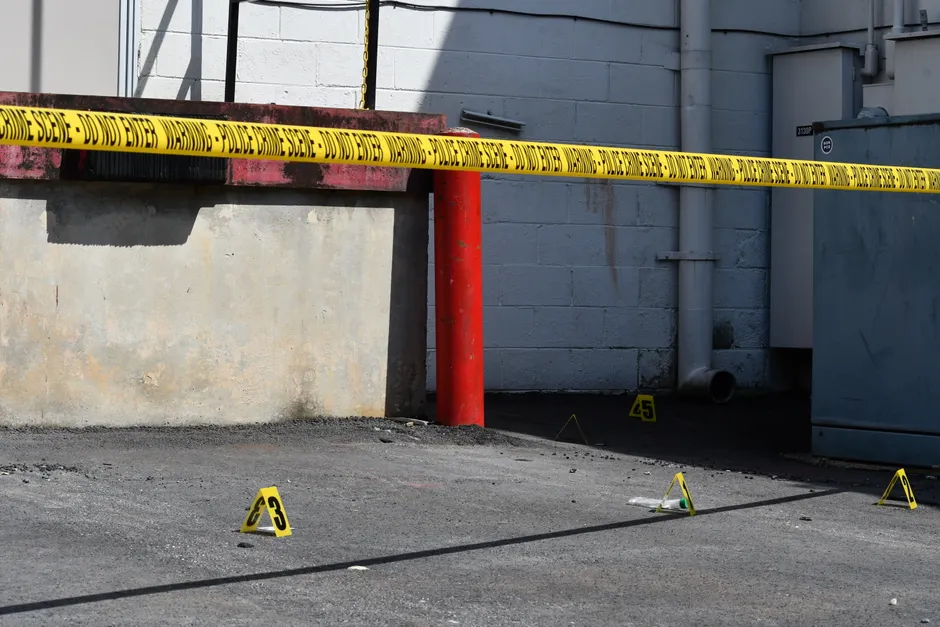
Chicago's Violence Decline Faces a Test After Juneteenth Shooting

Chicago recorded 36 homicides in May 2026, two fewer than the 38 logged in May 2025, WTTW News reported on June 4. It's a small data point, but it arrives against a backdrop of sudden violence that has drawn national attention.
The city has been moving in a measurable direction for the past year. The first six months of 2025 produced a 33% drop in homicides and a 38% drop in shootings compared to 2024. Summer 2025 brought the fewest homicides in 60 years. By year's end, Chicago had recorded fewer than 2,000 shootings for the first time this century — a number that seemed out of reach for most of the past twenty years.
These statistics form the backdrop because they show the trend the city has been tracking. A single mass shooting, especially during a high-profile holiday weekend, can shift how people perceive that trend. The risk now is that one incident changes public focus in a way that obscures what the aggregate data actually shows over months and months of reporting.
Who Carries This Burden
The reality of gun violence in Chicago follows a clear demographic pattern. CPD data from 2019 found that 80% of shooting victims were Black, 86% were male, and 54% were between 18 and 29 years old. Newer city-level breakdowns are not publicly available, but people working on violence intervention say the pattern has not shifted significantly. The communities experiencing these deaths are also the ones most likely to feel the gap between what the overall numbers say and what they see on their own streets. A 33% drop in homicides doesn't erase that lived difference.
Juneteenth carries particular weight here. It's a federal holiday marking the end of slavery, now widely observed with large public gatherings in majority-Black neighborhoods. A shooting on that date, in that setting, carries meaning beyond any crime statistic. Community leaders and elected officials will understand it that way, whatever the year-end totals reveal.
What Actually Drove the Numbers Down
The improvements tracked through 2025 did not come from a single action. Chicago's violence reduction combined police deployment adjustments, city-funded street outreach workers, and enforcement efforts by state authorities. On the expressway corridor—a stretch of highway that had become a flash point for shootings in earlier years—the Illinois State Police reported a third consecutive annual decrease in expressway shootings through mid-2024, and secured first-degree murder charges in all five expressway shooting homicides recorded in 2023. That enforcement push changed behavior on infrastructure that had become a symbol of the city's violence problem.
The sub-2,000 shooting mark hit in 2025 matters to researchers as a structural threshold. Crossing it suggests that whatever combination of deterrence, intervention, and demographic change is at work has reached a scale large enough to shift the underlying rate rather than just manage it year to year.
The Puzzle Moving Forward
May 2026's homicide count sits slightly below May 2025, which fits the trend. But WTTW also found that shootings in the same period were running ahead of last year's pace. That divergence is worth tracking. Homicides and non-fatal shootings don't always move together; the gap can reflect changes in hospital response times, the lethality of weapons, or where incidents occur rather than a true shift in violence levels.
The Juneteenth shooting now enters a political moment where both the Mayor's office and critics have reasons to read the data in ways that serve their interests. The city's documented progress through 2025 is real. The incident that occurred is also real. Both sit in the record at the same time. The harder question—whether the trend will hold or whether concentrated pockets of violence remain underneath the overall numbers—will require months of data to answer. That work happens quietly, away from the cycle of events and responses that shapes what people read.