Trump Meets Venezuela's Interim President as Oil Deal Takes Center Stage

Donald Trump met Venezuela's interim President Delcy Rodríguez late on Tuesday, September 22, 2026, on the sidelines of the U.N. General Assembly in New York. Reuters
It was their first face-to-face meeting since the White House backed Rodríguez to lead Venezuela. The encounter took place during a reception hosted by Trump and was described as a pull-aside meeting. BBC U.S. Secretary of State Marco Rubio and White House Chief of Staff Susie Wiles attended. The meeting occurred a few kilometres from the New York jail where Nicolás Maduro is awaiting trial for drug trafficking and other charges.
Rodríguez said she and Trump discussed advancing cooperation in energy, mining, and security. The statement, issued after the talks, did not detail specific commitments beyond those sectors.
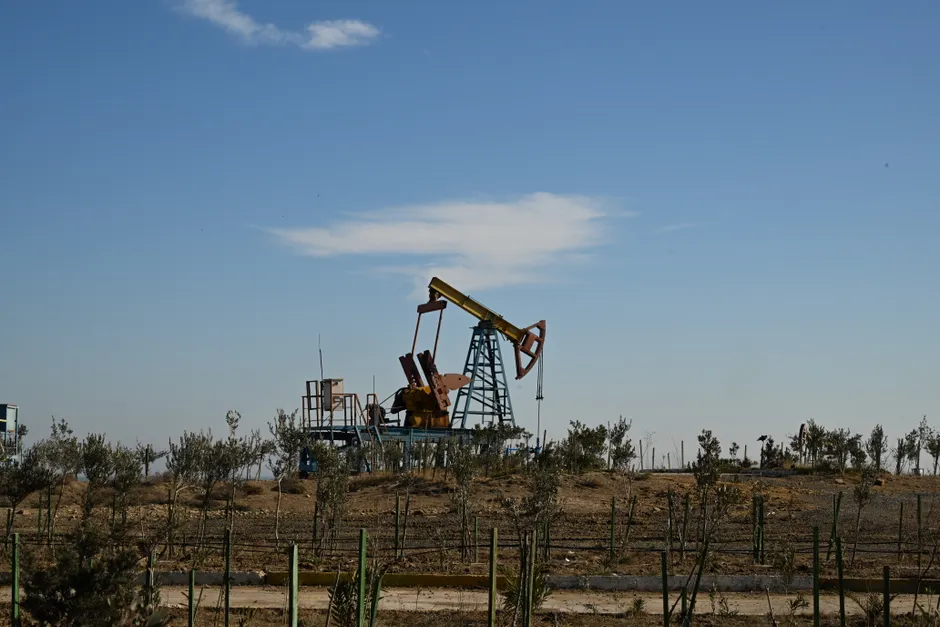
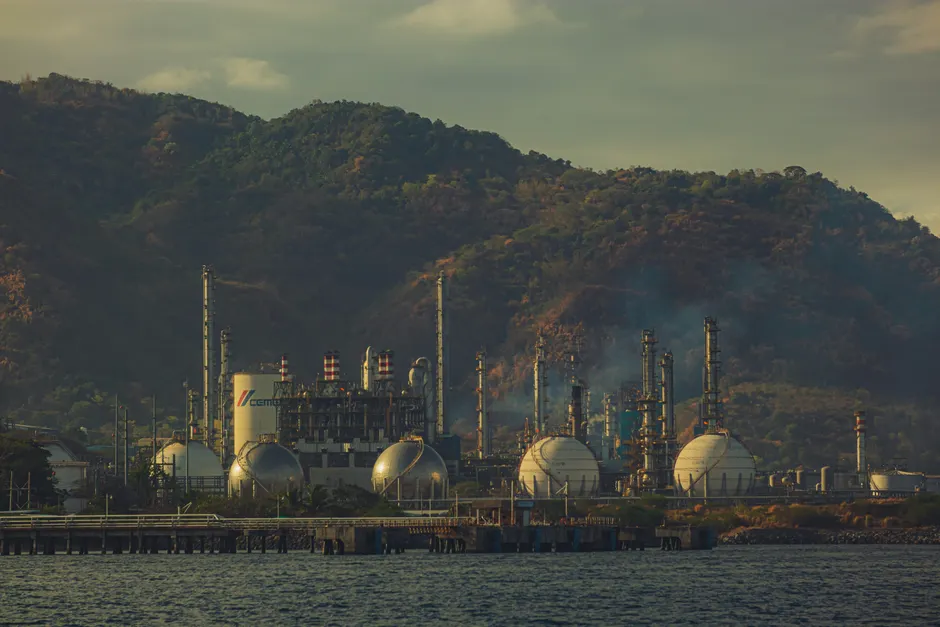
Energy was the main business around the meeting. Venezuela's government has signed an agreement allowing the U.S. to control more than 65 billion barrels of Venezuelan oil. That volume covers more than a fifth of Venezuela's oil reserves. The agreement grants a U.S.-led company 100-year concessions, or long-term rights to operate, over 17 oilfields in Venezuela.
Trump called the arrangement "the biggest oil deal in world history". During his U.N. address on Monday, Trump said the U.S. and Venezuela control more than 60% of the world's oil.
Rodríguez succeeded Maduro after U.S. forces raided Caracas and seized Maduro. U.S. special forces seized Maduro in January 2026. Rodríguez was sworn in as interim president, a temporary leader, by Venezuela's National Assembly days after the raid with the White House's blessing. Rodríguez previously served as vice-president to Maduro. The U.S. sanctioned Rodríguez in 2018 and lifted the measures in April this year. Sanctions, in this context, refer to the legal restrictions Washington had imposed on her.
The New York trip was Rodríguez's first trip to the United States since taking office. She is the first Venezuelan head of state to visit since Maduro was captured in a U.S. military raid in January. She is due to address the U.N. General Assembly on Wednesday afternoon. That speech will place her position before the full membership. Venezuelan opposition leader Maria Corina Machado has repeatedly been barred from re-entering Venezuela. The head of the Inter-American Development Bank, a regional development lender, is working on a $2.5 billion loan for Venezuela.
The broader context here is an interim authority attempting to convert military-backed succession into diplomatic and economic normalcy. Washington moved from seizure of a sitting president to endorsement of his former vice-president within days. It then lifted longstanding sanctions on her, negotiated century-long resource concessions, and arranged a leaders-level meeting at the General Assembly. For practitioners, the sequence compresses questions that are usually separated by years: recognition, sanctions relief, reconstruction finance, and extractive contracts.
Looking at the weeks ahead, three threads will test whether the rapprochement holds. The first is legal and institutional. A 100-year concession over 17 fields, tied to control of more than 65 billion barrels, will require sustained administration in Caracas and acceptance by lenders, operators, and courts. The second is political. Rodríguez arrives in New York as an interim president sworn in by the National Assembly, not through a contested vote, while a prominent opposition figure remains unable to return. Her Wednesday address will indicate how she frames legitimacy and transition. The third is multilateral. The IDB loan discussion signals that Washington is not the only source of capital envisaged for stabilization. How energy revenue, multilateral lending, and security cooperation are sequenced will shape leverage on all sides.
Stepping back, the location added context of its own. A U.S. president and a Venezuelan president talked cooperation while Maduro awaited trial nearby. That proximity captured the break with the past more directly than communiques could.