Madrid Eviction of 87-Year-Old Maricarmen: Lease Fight and Fourth Attempt

Madrid riot police used teargas and baton charges on Wednesday, 23 September 2026, to let a judicial committee reach the El Retiro flat of Maricarmen, a disabled woman aged 87. The Guardian
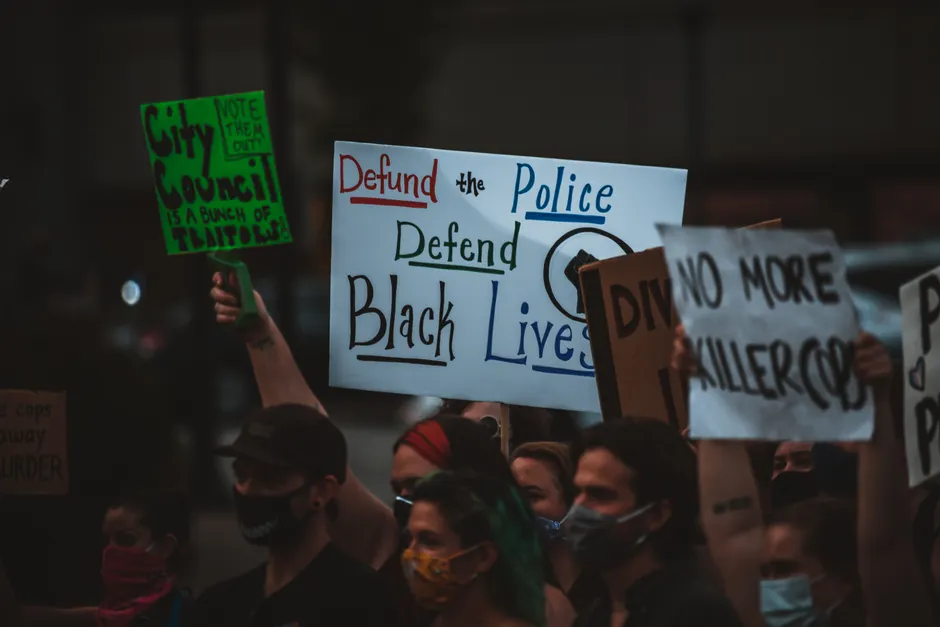
The order was enforced on Wednesday morning. Hundreds of protesters, many of whom had stayed overnight, tried to block it. It was the fourth attempt.
Police fired rounds of teargas and repeatedly charged the crowd with batons to open a path. That cleared access for the judicial officers in charge of enforcement. Activists from the Madrid and Barcelona tenants' unions joined the mobilisation, along with actor Carlos Bardem and singer and actor Ana Belén. The eviction went ahead.
Why her rent changed
Maricarmen has a recognised 50% disability and will soon turn 88. She uses a wheelchair after months of struggle. El País
She had lived in the building for 71 years before a developer acquired it, with ownership passing in 2018 to Urbagestión. Her rent was raised from €500 to €1,650 a month, while she receives a state pension of €1,350. She was offered the chance to buy the flat for €247,000 (£212,000). An unnamed prominent writer offered to pay the €1,150 monthly difference indefinitely. That offer was ignored.
Why the landlord says the lease ended
The dispute centres on tenancy succession, the rules for who can keep an old lease after the original holder dies, and whether a sublet was valid. Think of it like passing on a library card with strict rules about who can inherit it.
The original 1956 contract was in Maricarmen's father's name. It passed to his wife when he died, and was then sublet to Maricarmen when her mother died in 2008. Landlord Urbagestión SL argued before the supreme court that the sublet was invalid and the contract was no longer valid. The court backed that argument. Beatriz Duro is the lawyer representing Maricarmen.
How the eviction unfolded
Madrid's Court of First Instance No. 90 postponed the eviction from 3 June to 24 June. A third attempt was then postponed to 23 September. Hundreds of supporters began a street concentration at 8 p.m. on Tuesday ahead of the scheduled enforcement, and many stayed through the night. The Sindicato de Inquilinas negotiated for an hour to try to stop the eviction. El País
The broader context here is a collision between a final court ruling on the lease and sustained protest aimed at blocking enforcement. The key legal questions were succession of the old lease, how courts treat a sublet after the title holder dies, and the landlord's refusal to continue the tenancy at the old rent or accept third-party payment for the increase.
Looking at what this could mean for similar disputes, protest, negotiation and private offers did not stop the order once the supreme court had ruled and a judicial committee was sent. The hour-long union negotiation did not suspend it. The fourth attempt succeeded. Enforcement took a large police deployment and direct confrontation with organised tenant networks from two cities, a pattern courts, landlords, local authorities and housing movements are likely to factor into future strategy.