Victoria's Gas Ban in New Homes Faces a Push to Scrap It
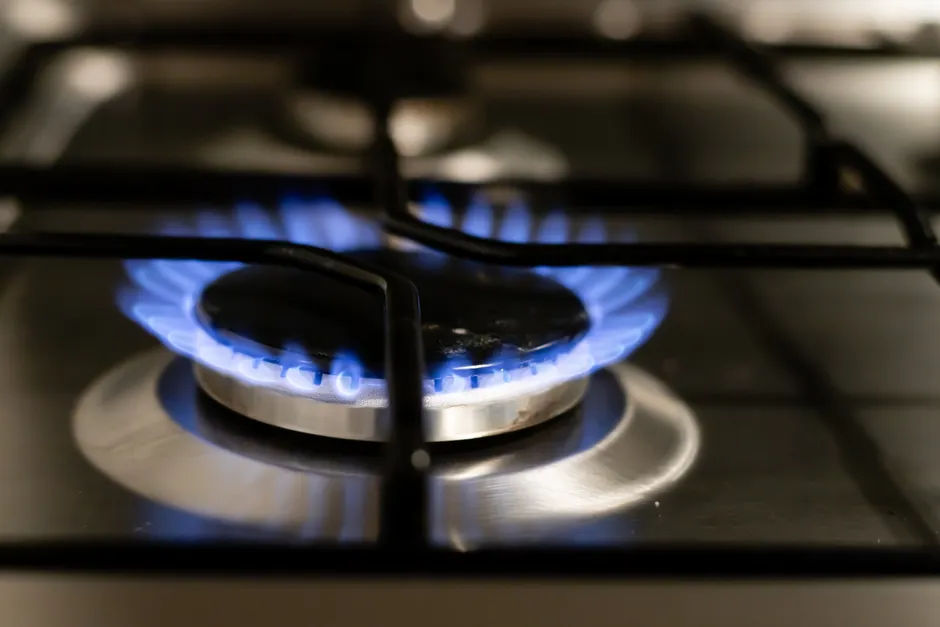
A lobbyist for the Australian Gas Infrastructure Group has urged Victorian ministers to scrap the state's ban on gas connections in new homes before the next election, according to a strategy paper obtained by Guardian Australia.
From 1 January, all new homes and commercial buildings in Victoria cannot connect to the gas network and must run on electricity, under the policy targeted by the paper. Guardian Australia The Victorian government expects the measure could save households $880 a year, or $1,820 once solar panels are installed.
The document was written by AGIG lobbyist Ken McAlpine and shared with ministers. AGIG, owned by a Hong Kong-led consortium, owns and operates major gas distribution networks and pipelines in Victoria. An AGIG spokesperson said the group did not write the document, but said it reflected its submissions to government and its campaigning on the issue.
The paper warns annual household gas bills could rise by $100 unless the ban is overturned, without providing evidence. It cites modelling that the ban would lift network costs by 20% to 40%, mainly due to lower demand and fewer customers. It claims small businesses and industrial customers could see increases of more than $100 a year.
It also advises how regulation should be changed, how the ban could be reversed before the election, and how it should be announced to the media. It claims reversing the ban would neutralise a "key opposition attack line." The Coalition has pledged to repeal the ban. The paper cites unnamed qualitative research to claim "voters hate the ban."
In March 2025, AGIG told the Victorian government that network costs would increase for remaining gas customers as more people moved to electric homes.
The ban sits within a longer electrification sequence, the step-by-step shift from gas to electricity. In 2022, Victoria removed the requirement for gas connections in new homes. From July 2023, all new Victorian government buildings, including new schools and hospitals, are to be built all-electric. State guidance describes a requirement from January 2027 for all new homes and most new commercial buildings to be built all-electric, including commercial kitchens. Victorian Government Replacement gas space heaters and hot water systems will be banned in rental properties from March 2027.
AGIG has opposed that path. It said it was deeply disappointed at the recommendation to ban gas appliances in homes. It said it was particularly concerned that rental properties remain subject to forced electrification under the revised policy. AGIG's Mr de Laine said there is no mandate to connect new homes to natural gas.
The broader context here is a dispute over who pays for a shrinking network. AGIG points to fixed pipeline costs spread across fewer users, like splitting the same bill among fewer diners. The government points to avoided connection costs and lower running costs for all-electric homes with efficient appliances and rooftop solar. Both arguments can hold for different groups. New buyers may save. Existing gas users, renters and small industrial users that need high process heat face a different equation.
Looking at what this means for policy, the leak clarifies the electoral mechanics. Repeal is now an explicit Coalition commitment. The McAlpine paper frames reversal as a way to defuse that attack before voters go to the polls. It does not resolve the regulatory question. If the ban stays, regulators must decide how to allocate stranded network costs, the leftover pipe costs with fewer users to pay them. If it falls, the state must explain how new gas demand fits its electrification targets. Either path leaves rental electrification from 2027 as the next pressure point.


