Tigray Forces Seize Mekelle Airports as Fighting Restarts

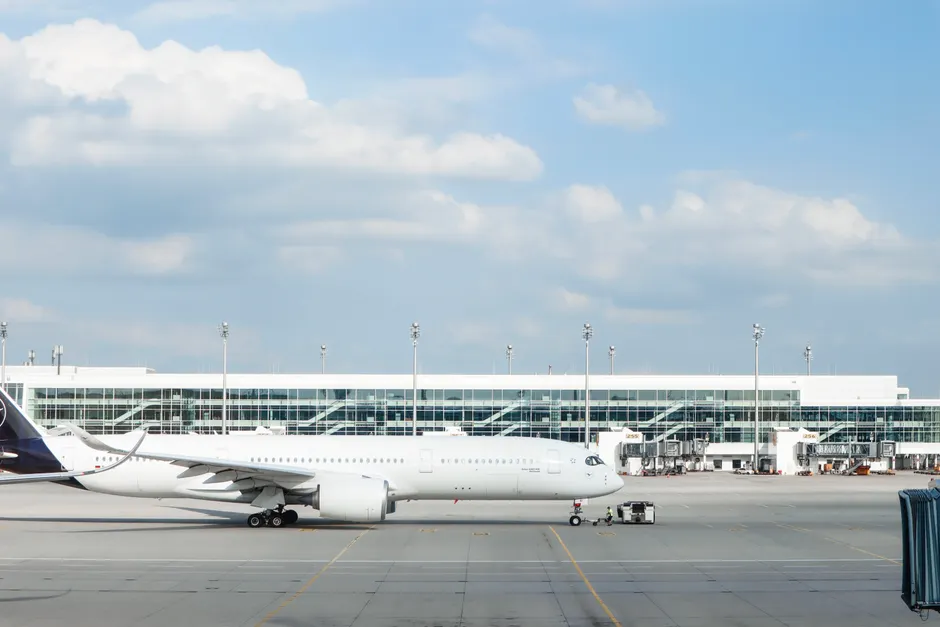
Tigrayan forces seized airports in Mekelle on 23 September 2026. The Tigray Defense Forces, led by the Tigray People's Liberation Front (TPLF), took control the same day the Tigray regional government said it had entered a defensive war.
The regional government's announcement was reported by Reuters. Ethiopian Airlines suspended flights to the Tigray region on 23 September, according to Reuters. Al Jazeera described the sequence as a Tigrayan offensive against the federal government in September 2026.
Fighting was not limited to the Tigrayan capital. Tigrayan rebels clashed with federal troops in Ethiopia's Afar region in connection with the airport seizure, Euronews reported on 23 September. That outlet described the events as a reignition of fighting between Tigray rebels and Ethiopian federal forces.
Mekelle, its airport and connecting infrastructure have changed hands before. Ethiopian federal forces and their allies had previously seized Mekelle and other Tigray towns, as documented by The New York Times. Tigrayan forces later entered Mekelle and took the airport and telecommunications network, as documented by The New York Times. The TPLF later agreed to let the federal government back into Mekelle and to give up control of highways and airports, as described by The New York Times.
The broader context here is why that history matters for control now. The 23 September seizure undoes that earlier handover in practical terms. Think of airports, highways, and phone networks as one control system. Airports decide who can bring in supplies, add troops, or fly people out. Highways do the same job by road. Phone and internet networks decide who can organize inside the city and speak to the outside world.
The broader context for escalation is that shared access was fragile. Federal return to Mekelle and Tigrayan withdrawal from transport sites depended on continued political agreement. A one-sided seizure breaks that arrangement. It creates separate authority over movement and information in the regional capital.
To understand the risk of wider fighting, two signals deserve weight. The first is aviation. A suspension by the national carrier, Ethiopian Airlines, is a safety decision. It also signals that airspace and ground security around northern airports are no longer seen as predictable. The second is geography. Clashes in Afar point to fighting beyond Tigray's border. Afar holds corridors that link Tigray to the rest of Ethiopia. Fighting there points to supply and access routes, not only the airport itself.
In my view, the language chosen by the Tigray regional government needs careful reading. Defensive war presents the airport operation as a response and places further actions under that label. Federal authorities will describe the same facts differently. Outside governments and institutions will need to follow what can be verified: who holds ground, flight status, road access, and whether communications work, rather than choose between competing descriptions.
Looking ahead, what may come next depends on whether the seizure holds and whether Afar clashes spread. A limited airport takeover could still be undone through talks on access and administration. Lasting control plus fighting on several fronts would point to a return to territorial warfare. Either path affects aid access, flight planning, and federal-regional diplomacy. The immediate fact is narrow. Tigrayan forces hold the airports. The question is how long, and at what cost to the arrangements that gave those sites to federal authority.