The $2.45 Billion Gaza Rebuilding Plan, Explained
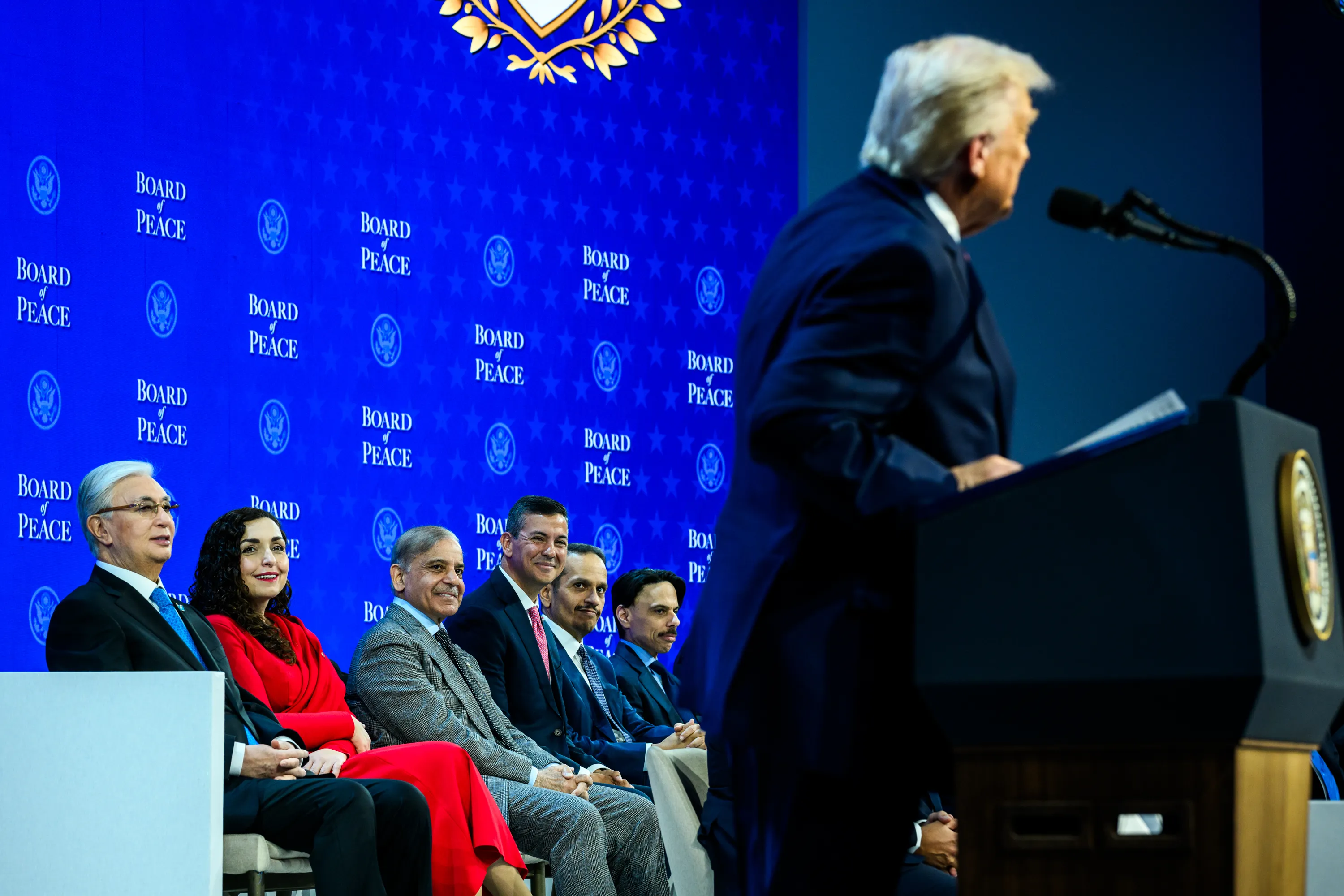
The U.S.-backed Board of Peace has proposed a $2.45 billion, six-month plan to start rebuilding Gaza and setting up basic government functions. WRAL
The blueprint covers the first phase of reconstruction and administration. It was reported on Sept. 23, 2026. The price tag is specific. The timeline is short.
The Board planned to brief representatives from dozens of countries on Gaza rebuilding efforts on the sidelines of the UN General Assembly, the annual gathering of world leaders in New York. The Times of Israel At its first meeting, President Donald Trump announced that nine members had agreed to pledge money for Gaza reconstruction. PBS
In my view, those two steps, the group briefing and the first pledging announcement, show the $2.45 billion proposal is a fundraising and coordination tool as much as a work plan. Pledges were announced. How the money would actually be paid out was not detailed in the verified account.
The proposal builds on a specific diplomatic history. Donald Trump's blueprint for postwar Gaza was laid out in a 20-point peace plan. The New York Times In November 2025, a UN Security Council resolution, a formal decision by the UN body responsible for peace and security, endorsed Trump's plan for ending the Israel-Hamas war in Gaza. The New York Times
The broader context here is that Council endorsement gives the American-led effort a reference point inside the UN system. It does not by itself settle questions of mandate, command, or legal authority for governing and rebuilding.
A parallel institution with a price tag
The White House announced that President Trump ratified the Board of Peace in a historic ceremony. The White House The Board describes itself as a new international peacekeeping body, meaning a group meant to help keep order after war. The White House stated that the Board "stands ready to mobilize global resources, enforce accountability, and guide implementation of the next critical phases."
The White House stated that President Trump established the Board of Peace "to bring prosperity, order, and reconstruction to Gaza." In a separate accounting of its record, the White House stated that President Trump ended the Israel-Hamas war "by imposing a ceasefire framework, securing the release of hostages, and enacting a Gaza Peace Plan." A ceasefire framework means an agreed pause in fighting. The White House The 2026 U.S. Counterterrorism Strategy states that the United States "ended the war in Gaza and secured the release of all remaining hostages."
Looking at Washington's argument together, ceasefire, hostage release, and the Gaza Peace Plan are presented as completed steps. Reconstruction and governance are presented as the next critical phases. The Board is positioned as the vehicle for those phases.
Financing is structured around membership as well as voluntary pledges. A permanent seat on Donald Trump's 'Board of Peace' costs $1 billion in cash. The New York Times Moscow was willing to contribute $1 billion to Donald Trump's 'Board of Peace' for Gaza conditional on unfreezing Russian assets, meaning funds currently frozen by sanctions that restrict money flows. The New York Times
Looking at what this means for the financing, the numbers invite direct comparison. One permanent seat equals nearly half the six-month reconstruction budget now proposed. One conditional Russian contribution would cover almost half that budget on its own. Cash is the requirement. Conditionality is the complication.
What to watch at the General Assembly
The broader context here is institutional. A Security Council-endorsed American plan now has an American-convened body claiming peacekeeping functions, soliciting state contributions, and briefing states on the margins of the General Assembly. For practitioners, the question is not only what Gaza needs in six months. It is who authorizes, contracts, audits, and secures that work, and under whose rules of engagement.
In my view, the financing design deserves close attention. A $1 billion threshold for permanence creates a tiered governance risk, like different ticket levels with different voting power. Pledging states and permanent members may hold different expectations about decision rights. Voluntary pledges from nine members at the inaugural session provide political momentum. They do not guarantee predictable cash flow for contractors, administrators, or local authorities.
Looking at what this means for diplomacy, the Russian offer links two separate ledgers. Gaza reconstruction funding is made conditional on unfreezing Russian assets. That linkage tests Washington's ability to keep donor solicitation separate from sanctions policy. It also tests whether other prospective contributors will attach their own conditions, earmarks, or oversight demands.
Looking ahead to the General Assembly briefing, it will be the first public measure of breadth. Diplomats will count who attends. They will compare attendance with pledges. They will ask whether the $2.45 billion is fully subscribed, partially subscribed, or aspirational, and whether governance means municipal administration, security provision, or both. The verified facts do not yet answer those questions.


