Revolut Pilots Face Payments in Three London Coffee Shops
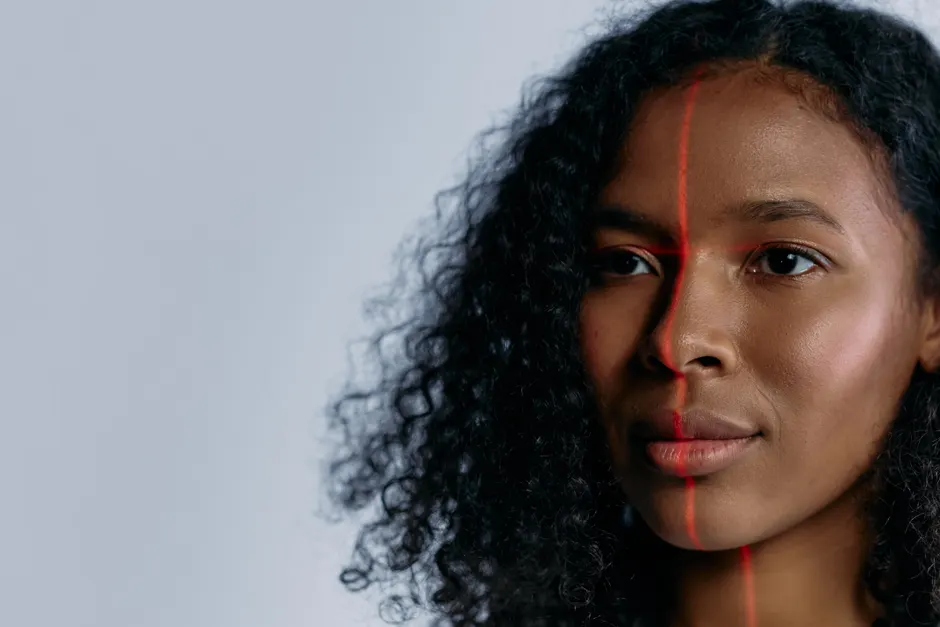
Revolut is piloting in-store facial recognition payments in the UK under the name Pay with Smile.
The company published the announcement on 24 September 2026. The pilot is live at select Kiss the Hippo coffee locations in London, specifically cafes in Bloomsbury, Chelsea and Soho, and is available through September 26th. Engadget
Revolut describes the system as the UK's first in-store facial recognition system. That firstness claim is the company's own characterization. Bloomberg separately described the effort as a new point-of-sale system that lets customers make in-store payments using their faces, while Yahoo Finance UK noted it is intended for everyday purchases.
Pay with Smile runs on Revolut Register, the company's hospitality point-of-sale hardware. Register uses two screens and is designed to combine payments, banking and floor operations for merchants.
Enrollment is selfie-based. Customers register a selfie at sign-up. At checkout, the system checks live biometric data against that registered selfie. Revolut says the facial embeddings, mathematical templates derived from the face rather than stored photos, are deleted immediately after a sale is confirmed and are not kept in-store by merchants.
For merchants accepting this payment method, Revolut says there are no processing fees. That zero-fee term applies to Pay with Smile itself, not to the broader Register proposition.
The broader context here is checkout design, not cameras for their own sake. This pilot is described as enrollment-bound verification, meaning an opted-in customer is matched one-to-one against their own reference image. That is a narrower task than open identification of any passerby, and it changes the security assumptions, the need for fallbacks and the time allowed for a match.
Looking at daily use, the practical test is the morning queue. A coffee line moves fast. A false reject, when an enrolled customer is not recognised, creates friction at the worst moment. A false accept, when the wrong person is approved, creates financial and trust risk. Lighting varies. Queues crowd the camera view. Staff need a clean fallback to card or phone when matching fails or when a customer has not enrolled. Running the biometric step inside Register, rather than on a separate terminal, keeps that fallback in one operator flow.
In my view, the zero-fee detail deserves as much attention as the face scan. Payments hardware is a distribution game. Interchange and acquiring margins, the small cuts taken to move money, are thin and heavily contested. Waiving fees for this rail lowers merchant resistance to trying new hardware, while giving Revolut live transaction volume to harden matching, enrollment and support. The limited scope, three cafes over a few days, fits that reading. It is instrumentation, not rollout.
Worth flagging alongside that is the data lifecycle statement. Immediate deletion after confirmation, with no in-store retention by merchants, addresses one obvious enterprise concern. It does not answer every question a security reviewer would ask about transport, server-side retention, template protection and audit logging. Those details are not in the current disclosure. For buyers, they are the difference between a demo that works and a system that can pass procurement.
Looking ahead, if the pilot holds up under morning rush conditions, the upside is concrete. Hands-free payment helps when both hands hold coffee. Till throughput improves when PIN entry and phone unlock steps drop out. Hospitality operators get payments, banking and floor operations in one Register surface. None of that requires face pay to replace cards. It only requires that, for enrolled regulars in familiar venues, it becomes the fastest path.


