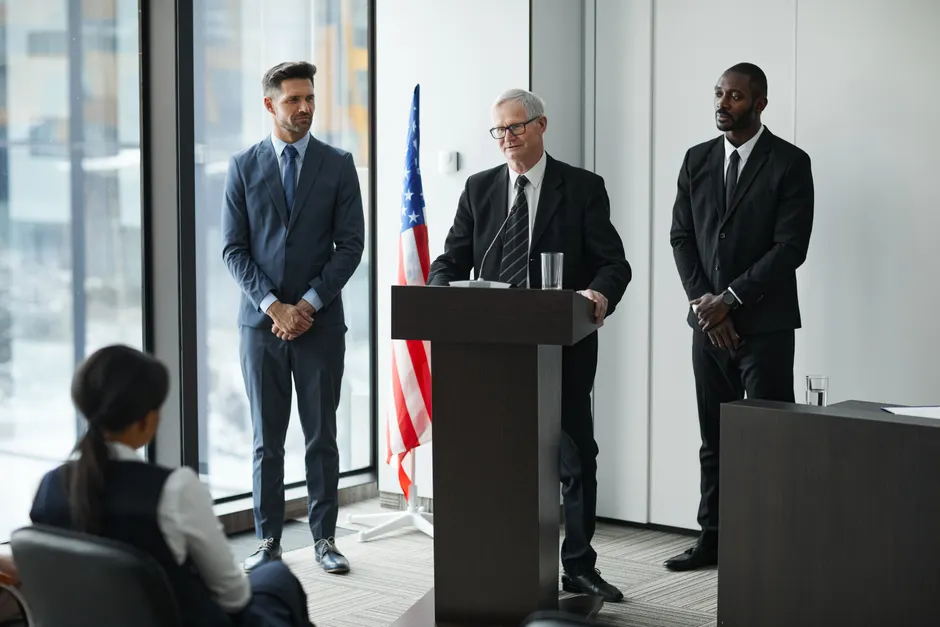
Judge Orders White House to Restore Press Passes for 14 Days
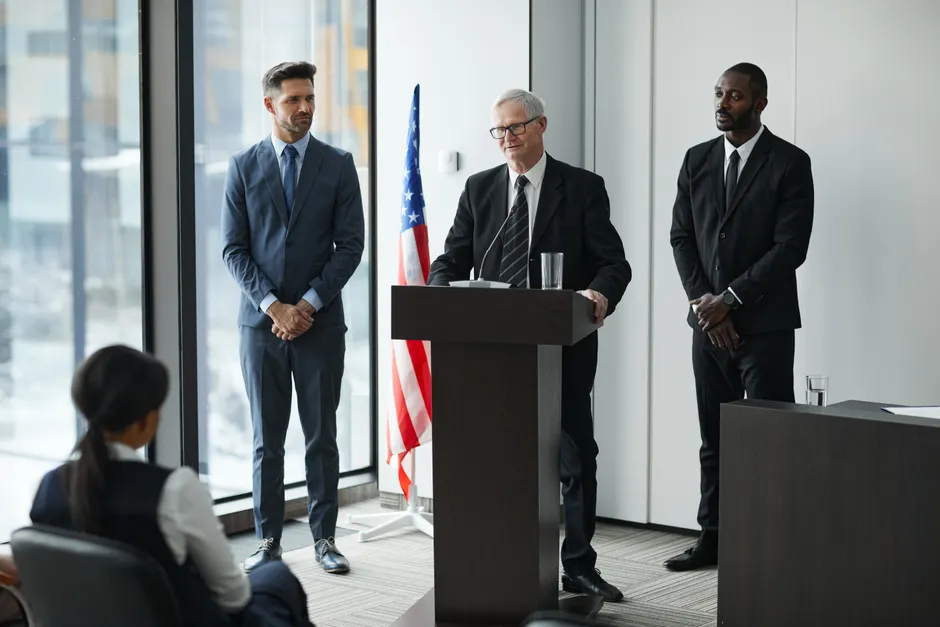
U.S. District Judge Timothy Kelly ordered early on Sept. 24 that the Trump administration must return White House press badges to journalists from CNN, MS Now and Politico for 14 days. The Guardian
CNN, MS NOW and Politico had asked for a temporary restraining order, a short emergency order that restores the prior situation while a lawsuit moves forward. Reuters Their larger case is a First Amendment lawsuit, based on free-press protections, that seeks to restore White House access. CNN
Kelly said the outlets are likely to show their hard passes, the durable credentials used for daily White House reporting, were revoked without the fair procedure the Constitution requires. That finding was the legal basis for the 14-day restoration. The order is temporary and does not settle the final questions in the case.
The passes were revoked on Saturday after President Trump ordered CNN, MS Now and Politico banned over their "constant 'reporting' FAKE NEWS". On Tuesday, each outlet received a formal letter saying it had violated standards of professionalism and decorum expected of those given White House Complex access. Each letter said the outlet had until 5 p.m. on Friday to contest the ban, or the ban would become final.
Lawyers from the Department of Justice said the ban was needed for national security reasons, pointing to articles that relied on non-public information. The administration filed that response on the eve of an emergency hearing before Kelly in Washington, DC. CNN
Hours after the restoration order, the dispute shifted to whether the White House was following it. Lawyers for CNN, MS Now and Politico told the judge on Thursday morning that the White House had already "repeatedly violated" the overnight order to return the badges. Journalists from each outlet attempted to enter the White House on Thursday morning and were turned away. Secret Service agents confiscated the hard passes of journalists whose passes had not been taken before.
Lawyers for the three outlets requested a video or telephone conference with the judge as soon as possible on Thursday morning. Kelly gave the Trump administration until 12:30 p.m. to respond to the filing that accused it of violating his order.
The broader context here is procedural control. Kelly is managing two clocks at once. One is the 14-day emergency period. The other is the administration's Friday 5 p.m. deadline for the outlets to contest the professionalism notices before the ban would become final. If credentials are not honored during the emergency period, the court must decide whether it faces slow implementation or refusal to follow an order.
Looking at what this means for the press-access case, the procedure issue matters more in the near term than the First Amendment claim. Kelly did not rule that the White House can never regulate hard passes for security or conduct reasons. He ruled that these revocations are vulnerable because of how they were imposed. That leaves room for the administration to develop its record through the Tuesday letters and Friday contest process, while the outlets can argue that later process cannot cure a summary ban imposed first.
During the first Trump administration, Kelly granted a temporary restraining order restoring the press badge of CNN's Jim Acosta. CNN CNN then requested an emergency hearing to extend Acosta's pass beyond the two weeks allowed in the initial order. Politico
In terms of what that history suggests, it does not dictate the outcome here. It helps explain the form of a short restoration, a fast hearing schedule, and close judicial watch over access decisions. The immediate test is narrow. It is whether the badges work at the gate by the time the judge brings the parties together again.