Channel Dinghy Slashing Arrest: What Happened and Why It Matters
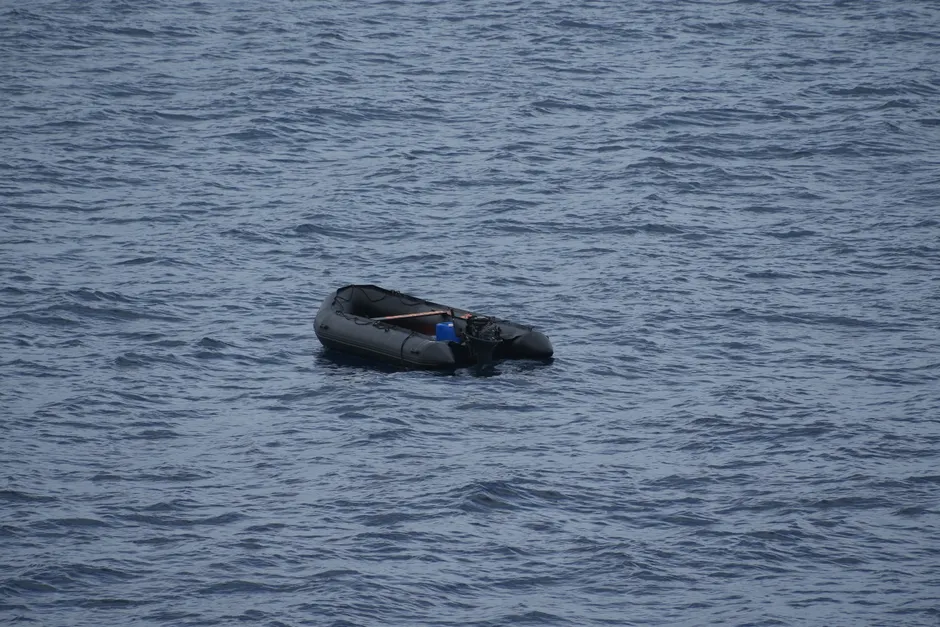
British far-right activist Daniel Thomas was arrested after allegedly slashing an inflatable dinghy used by asylum seekers while a rescue worker was on board. Thomas, known to supporters as Danny Tommo, is a Patriot Platform activist, according to reporting published on Sept. 24. The Times
Police are examining video of the alleged slashing. Thomas livestreamed the incident himself, and that footage is now the focus of the police examination. BBC He allegedly used a blade on the dinghy in the Channel while a rescue worker was on board. The Guardian
The boat was an inflatable dinghy, the rubber-boat type often used for Channel crossings. ABC News Charities condemned Thomas after footage emerged that allegedly showed him slashing the dinghy in the Channel. The Independent
Before the incident, Thomas had called on followers to protest the arrival of asylum seekers in Gosport. Asylum seekers are people seeking protection in another country. Border Force, the agency that polices the border, took those arrivals to Dover instead. The migrants were taken to Dover after more than 30 hours at sea. BBC
Thomas had also livestreamed from a protest in Portsmouth where roads were blocked after 140 migrants were rescued. He is described as an associate of far-right activist Tommy Robinson. Over the last year, Thomas filmed himself harassing migrants on the beaches of France and shared those videos on social media.
The broader context here is how action at sea, rescue work, and protest on shore met in a single incident. The alleged blade attack on an inflatable craft with a rescue worker aboard was livestreamed by the alleged perpetrator. For police and prosecutors, rescue staff as witnesses plus reviewable video give a clear timeline rather than competing accounts later.
Looking at what this means for operational risk, the Gosport call-out and the Portsmouth road block point to a pattern. Action at sea is paired with fast gathering at expected landing points. When Border Force redirects arrivals, as from Gosport to Dover, mobilisation does not always stop. It moves or continues online. The issue for authorities and aid groups is how to keep navigation safe, protect rescue staff, and keep order when action is filmed for sharing and crowds are alerted in real time.


