Ambassador's Son Critically Injured in West Bank Checkpoint Attack

Neria Leiter, an Israeli reserve soldier, was critically injured in a car-ramming attack in the occupied West Bank on Wednesday. NBC News New York Times
Officials said a Palestinian man drove a car into a military checkpoint and struck Leiter. New York Times The latest reporting describes his injuries as critical.
Leiter is the son of Yechiel Leiter, Israel's ambassador to the United States. CNN That family tie connects a West Bank checkpoint incident to Israel's diplomatic presence in Washington.
The confirmed details so far are limited. They cover who was hurt, where it happened, how it was done, and when. They do not go beyond the checkpoint itself, the car used as a weapon, and the soldier's critical condition.
The broader context here is why his identity affects how the incident is handled. Leiter was on duty as a reservist — a civilian called up for military service — and he is also the close family member of a serving ambassador. So the case moves through two different channels at once. One is military and medical. The other is diplomatic and political, with its own rules and audiences.
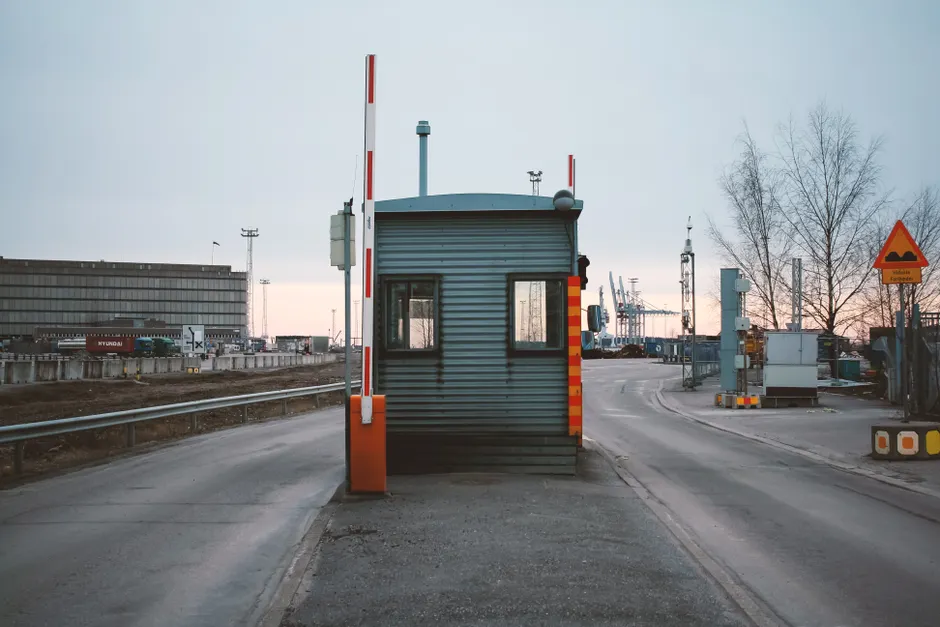
Looking at checkpoints more closely, they bring those two worlds together. They are guarded posts that control civilian movement. They are staffed by soldiers who stand close to moving traffic. A ramming attack takes advantage of that closeness. It needs no gun, little planning beyond access to a car, and gives almost no warning. The military questions are distance, vehicle speed, and barriers. The civilian questions are movement and delays.
In my view, the diplomatic angle should be kept separate from the basic facts. Leiter's critical injuries mean a personal crisis for the ambassador's family. That alone does not change policy, orders for soldiers, or coordination with the United States. Those choices depend on the investigation, military assessments, and political decisions.
What experts will watch now is the order of events. First is Leiter's medical condition, which will shape public attention and official response. Second is the investigation: who the driver was, how the car approached the checkpoint, and what intent and opportunity were involved. Third is language: how Israeli officials, and if needed U.S. counterparts, describe the case in formal statements. Wording will matter, especially around his status as a reservist on duty and the location as a checkpoint in the occupied West Bank.
The stakes ahead are limited but serious. Any severe injury at a checkpoint raises questions about local security. When the injured soldier is the ambassador's son in Washington, it also tests how officials balance messages at home and abroad. Keeping those two tasks distinct, while recognizing the human cost, is the central task in the coming days.