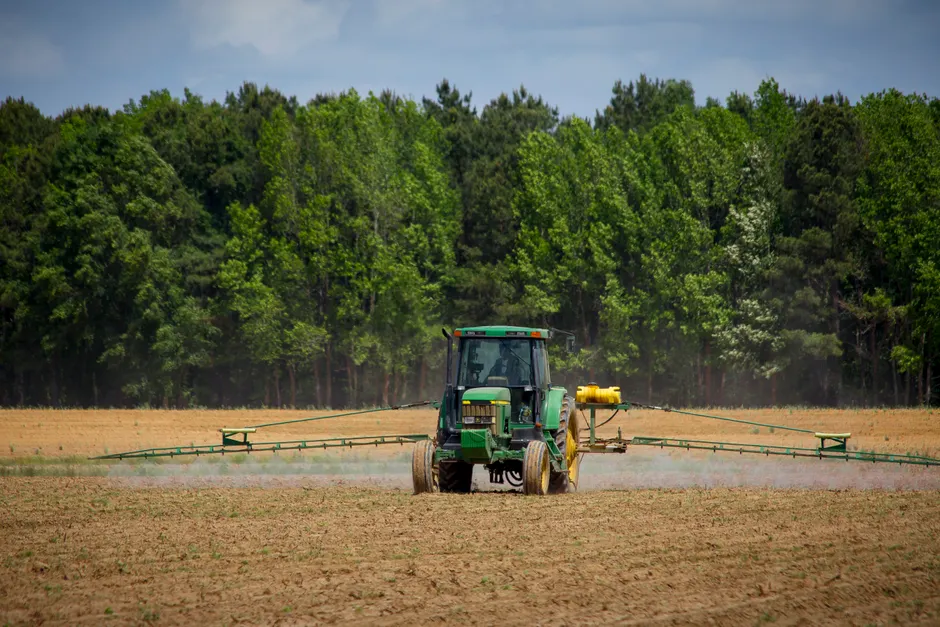
Australia Tightens Rules on Two Potent Herbicides Amid Growing Global Safety Concerns

Australia's pesticide regulator has imposed new restrictions on paraquat and diquat, two widely used herbicides, after determining that current safeguards do not adequately protect human health and the environment.
The Australian Pesticides and Veterinary Medicines Authority (APVMA) formally announced the changes in its Special Gazette on 23 June 2026, following a regulatory review of both chemicals. Paraquat in particular has faced intense scrutiny from the APVMA over acute toxicity to humans, risks from ongoing exposure, and damage to ecosystems.
Both herbicides belong to a class called bipyridylium contact herbicides — chemicals that kill weeds on contact rather than through soil absorption. Paraquat is prized in farming for its speed and broad-spectrum action, but carries one of the highest acute toxicity profiles of any approved agricultural chemical. A small ingested dose can trigger progressive organ failure with no effective treatment. Diquat, chemically similar, has a somewhat lower toxicity risk but shares concerns about persistence in aquatic environments.
Australia is not alone. The European Union banned paraquat across all member states in 2007 following scientific advice; Switzerland, Sri Lanka, and several Southeast Asian countries have imposed bans or tight restrictions. The United States classified paraquat as restricted-use, requiring certified applicators, though it remains legal and continues to face court challenges. Against this international pattern, Australia's move represents a middle path: tightening conditions on use rather than removing the chemicals from the market entirely.
The regulatory approach here carries practical weight. Under the Agricultural and Veterinary Chemicals Code Act 1994, the APVMA can modify or suspend a registration whenever a review produces sufficient cause. Publishing restrictions through a Special Gazette — rather than waiting for the full review to conclude — signals that the regulator deemed the risk serious enough to act immediately rather than defer until a final decision. Manufacturers and distributors holding registrations for these chemicals will need to update product labels and safety data sheets to comply. Using either herbicide outside the new restrictions would violate the Code.
For farmers, agronomists, and weed-management specialists, the real-world impact will depend on exactly which uses the restrictions target: lower application rates, closed-cab equipment requirements, spray buffer zones, waiting periods before workers re-enter treated fields, or reductions in approved crops or settings. The Special Gazette contains the specific rules. Chemical companies will face reformulation or relabelling requirements within a compliance period set by the APVMA.
The tension beneath this decision is worth understanding. Paraquat's value lies in resistance management — in no-till farming systems where glyphosate-resistant weeds have become common, paraquat offers a fast-acting alternative that doesn't persist in soil. Growers and weed-science researchers have consistently noted that few substitutes exist for a contact herbicide that works quickly and leaves no residue. That pull — between the acute toxicity risk and genuine agronomic necessity — has made this review one of the more contentious chemical reconsiderations in Australia's regulatory cycle.
The APVMA has not announced a completion date for its full paraquat review. The June gazette action suggests the authority plans to move in stages as evidence accumulates rather than hold all decisions until a final determination. Registrants and affected businesses should treat the Special Gazette as binding and contact the APVMA directly for guidance on compliance timelines.