Pope Leo XIV's France Trip: Why the First Visit in 18 Years Matters

Pope Leo XIV opens his Apostolic Journey to France on 25 September, a four-day visit scheduled through 28 September. The Holy See lists the journey under that date range in its official calendar Holy See.
It is the first papal visit to France since 2008 NCR.
The broader context here is the length of that gap. Eighteen years without a papal visit to France, often called the eldest daughter of the Church, is a long pause in Vatican diplomacy. That pause gives this trip added institutional weight.
The published program begins with a welcome ceremony at 11:00 in Paris Holy See. The agenda includes meetings with civil authorities, young people and the Church Vatican News. An Apostolic Journey, the formal term for an official papal trip abroad, normally combines pastoral outreach with state protocol, much like a state visit that also includes large public gatherings.
The Holy See calendar describes one element of the 25-28 September journey as including a Visit to the Headquarters. That points to the multilateral leg of the trip. Pope Leo XIV will visit UNESCO's Paris headquarters, the UN agency for education, science and culture, during the France visit Reuters.
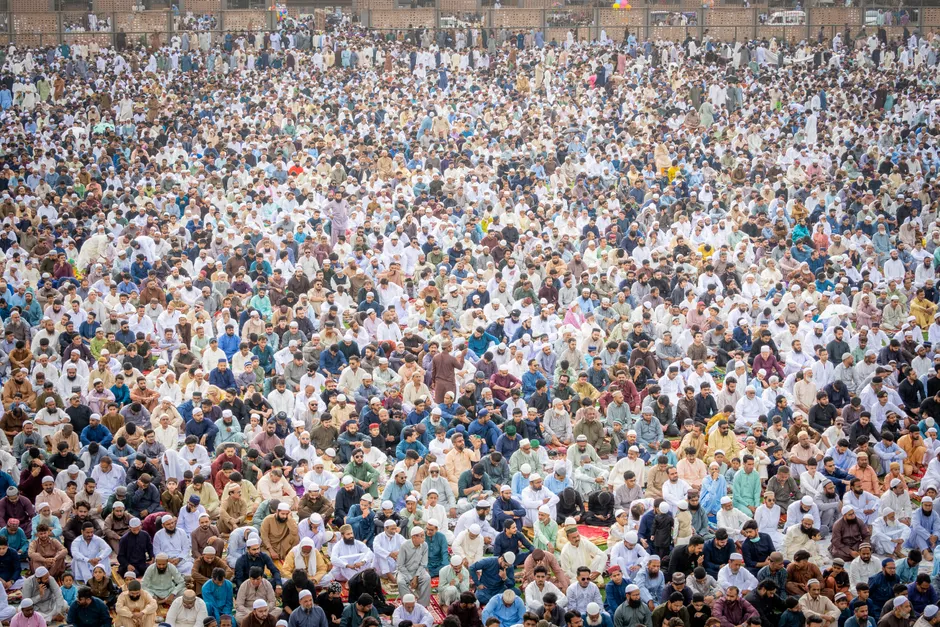
The pastoral program includes an outdoor Mass in central Paris expected to draw large crowds Reuters. Pope Leo XIV will also meet with abuse survivors during the four-day trip Reuters. No further details on participants or format appear in the verified itinerary.
The broader context here is how a modern Apostolic Journey works. These trips are never only pastoral or only diplomatic. Meetings with civil authorities cover the country-to-country channel. A stop at a UN agency covers cooperation with international bodies. Masses and youth meetings speak to internal Church life. A meeting with survivors speaks to accountability. Each audience hears a different part of the message.
What observers should watch now is sequencing and tone more than any single meeting. Diplomats will read the UNESCO stop for signals about the Holy See's approach to international institutions. Church watchers will read the Mass and youth meetings for signs of pastoral priorities in secularized Europe. The survivors meeting will be judged less on protocol than on follow-through.
In my view, France makes that balance especially delicate. It is both a secular republic with a strict separation of religion and state, known as laicite, and a country with deep Catholic roots and institutions. A first visit in 18 years resets expectations on both sides. What is said in Paris, and where it is said, will shape the working relationship in the next phase.