Who's Funding the Midterms? Super PACs, California's Tax Fight and a Missouri Primary
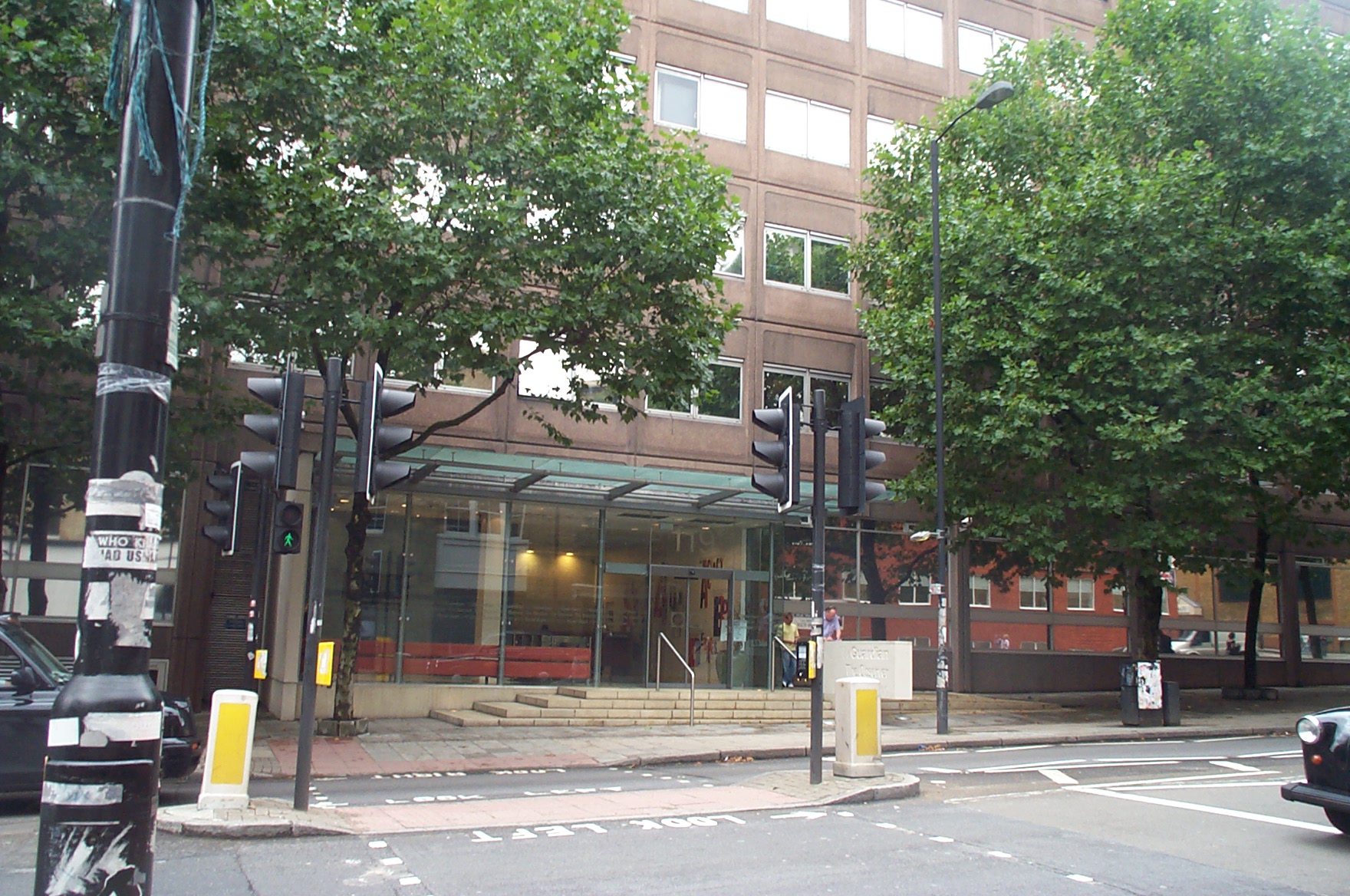
Guardian reporters Joseph Gedeon, Dara Kerr and Chris Stein answered reader questions about spending in the US midterm elections at 11am EDT on Friday, 25 September 2026. The Guardian
How the session worked
The session was posted on 24 September under the title 'Reader Q&A: who's spending big on the US midterms?' Readers were invited to ask the reporting team who is spending what, including which groups are backing candidates. It followed a separate Guardian live Q&A published on 15 September 2026 about Democratic unity ahead of the midterms.
What Super PAC money buys
Reporter Chris Stein fielded a reader question about what Super PAC money buys in practice. A Super PAC is an independent spending group, separate from a candidate's official campaign, that funds advertising and voter outreach. That typically means television, streaming and website advertisements, campaign signs and bumper stickers, plus canvassing and phone banking. In practice, money buys airtime and pays for ground organization.
The California and Missouri contests
Much of the reader discussion focused on California. Proposition 40 would impose a one-time 5% tax on all billionaires living in the state. Proceeds would mostly fund healthcare programs, with some for education and food assistance programs. The Guardian
The Super PAC opposing Prop 40, Building a Better California, raised $229 million since launching in February. Its donors named in the Q&A include Sergey Brin, former Google CEO Eric Schmidt, and Kim DeGeorge. That total was described in the Q&A as placing the committee among the largest-funded ballot-measure operations in the cycle.
California voters face overlapping measures. Prop 41 directly targets Prop 40, while Prop 42 is a general anti-wealth tax measure. If Prop 41 or Prop 42 gets more yes votes, Prop 40 would be blocked from taking effect even if Prop 40 passes. The outcome turns not only on support for the tax itself but on the relative vote totals across the competing propositions.
The Q&A also addressed outside spending in candidate races. The United Democracy Project is the Super PAC connected to the American Israel Public Affairs Committee (AIPAC). Wesley Bell, supported by the United Democracy Project, faced a primary challenge from Cori Bush in St. Louis, Missouri. The Guardian
The broader context here is how procedure shapes spending incentives. When a rival measure with more yes votes can nullify a tax proposal, opponents have reason to fund both direct opposition and an alternative vehicle. Supporters, in turn, must campaign on two fronts.
Looking at what this means for the midterms, the California fight and the Missouri primary show two different uses of large independent expenditures. One seeks to defeat a ballot initiative through mass communication and voter mobilization. The other seeks to influence candidate selection within a party primary. Both rely on the same toolkit of advertising and field operations, applied to different electoral rules.