Mortgage Rates Jump to 7.45% as Bond Yields Climb
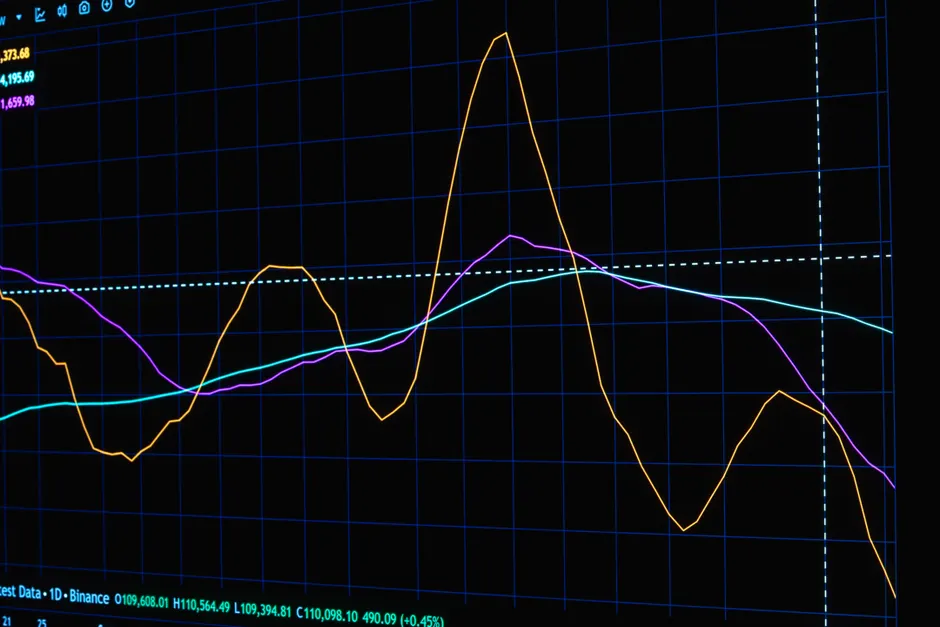
The 30-year fixed mortgage rate jumped 28 basis points in two days to 7.45%. A basis point is one-hundredth of a percentage point, so that was a 0.28-point move. MarketWatch reported on September 25, 2026 that 8% mortgage rates are 'not an impossibility' as the 30-year rate surges.
The Mortgage Bankers Association put the average 30-year fixed at 6.85% in the week ended September 4, 2026, up 6 basis points on the week. Reuters reported that reading. Two weeks later, the MBA measure jumped 15 basis points to 7.12% in the week ended September 18. Reuters reported that increase.
Freddie Mac reported the following averages. The average 30-year fixed was 6.71% for the week ending September 3, 2026, up 5 basis points from the prior week. That print was the highest since July 2025, according to Freddie Mac. Freddie Mac then showed 6.95% for the 30-year and 6.26% for the 15-year as of September 17, followed by 7.03% for the 30-year as of September 24.
The broader context here is that differences between these prints are normal. They reflect coverage, timing and collection.
Survey mechanics
Freddie Mac's Primary Mortgage Market Survey is built from thousands of loan applications submitted through Loan Product Advisor. The sample draws from credit unions, commercial banks and mortgage lending companies. It covers weekly conventional, single-family originations with conforming loan limits set by FHFA.
Freddie Mac publishes PMMS each Thursday at noon ET, or Wednesday when a U.S. holiday falls on Thursday. The application week runs 12:00 a.m. ET the prior Thursday through 11:59 p.m. ET Wednesday, averaging rates offered Thursday through Wednesday. Freddie Mac has published the 30-year fixed rate through PMMS since April 1971. On November 17, 2022, it shifted collection from surveying lenders to Loan Product Advisor data. In November 2022 it discontinued reporting adjustable rates and fees and points.
The broader context here is that this weekly averaging smooths daily swings. Daily lender surveys can print higher or lower around sharp bond moves. Weekly averages lag. MBA's weekly contract rate has its own panel and weighting. Professionals read the three as complementary, not competing. The signal is uniform. Rates moved higher through the first three weeks of September, then accelerated.
The Treasury link
U.S. 30-year mortgage rates rose to a one-year high of nearly 6.7% as 10-year Treasury yields climbed. A Treasury yield is the interest rate the government pays to borrow. Reuters reported that linkage in early September.
The 10-year reached 4.818% in early September 2026, its highest since November 1, 2023. Reuters reported that peak. It then eased to 4.744% on Thursday. The 10-year generally moves in tandem with mortgage-backed securities and serves as a guide for mortgage rates.
The key link to watch is how bonds feed into home loans. Origination rates price off mortgage-backed securities, which in turn price off expected loan life and prepayment risk. When long-end supply pressure or higher term premium, the extra return investors demand for holding longer debt, pushes the 10-year higher, primary rates follow with a lag. Short-covering or flight-to-quality flows can pause the move for a session. They rarely reset the level without a change in expected issuance, Fed balance-sheet runoff, or rate-path pricing.
Why 8% keeps returning
The 8% threshold has recurred as a reference point for three years. MarketWatch warned in August 2023 that mortgage rates could hit 8%, citing a worrying sign not seen since the Great Recession. In October 2023 it described 8% as perilously close and a psychological milestone for housing. Lenders then offered 30-year fixed-rate mortgages above 8% for the first time since 2000, reported in November 2023. A year later, in November 2024, MarketWatch revisited why rates could head to 8% despite a possible Fed cut.
For borrowers and investors, that history explains why the market reacts fast to the current print. A 28-basis-point move in two sessions compresses lock decisions, reprices pipelines and widens the gap between outstanding coupons and prevailing offers. It reinforces lock-in. It extends duration on existing mortgage bonds. It tightens affordability at the margin for purchase borrowers already facing constrained inventory.
The broader context here is path dependence, not just level. At 6.71% in early September, the market was already at its firmest since July 2025. At 7.12% on the MBA week ended September 18 and 7.03% on Freddie Mac as of September 24, refinance incentive had largely evaporated for recent vintages. A daily print at 7.45% pushes the investable universe further out of the money and leaves only cash-out, ARM-to-fixed, or life-event transactions with a clear rate rationale.
What this means for positioning is now about secondary spreads, hedge costs and fallout. Lenders manage pull-through against rapid reprices. Servicers see slower prepayments and longer cash flows. Investors in agency mortgage bonds face extension risk if higher coupons persist. None of that requires 8% to print to bite. It only requires persistence near 7% with elevated volatility.
In my view, the near-term question is whether the long end stabilizes enough for lenders to pass through tighter spreads. If Treasury yields consolidate, primary rates can drift sideways even without a policy signal. If term premium keeps climbing, the daily survey will test 8% before the weekly averages confirm it. Either way, the September sequence has already reset the reference rate for underwriting, hedging and portfolio valuation.