Stocks Finished the Week Higher, but Oil and Bond Yields Did the Steering
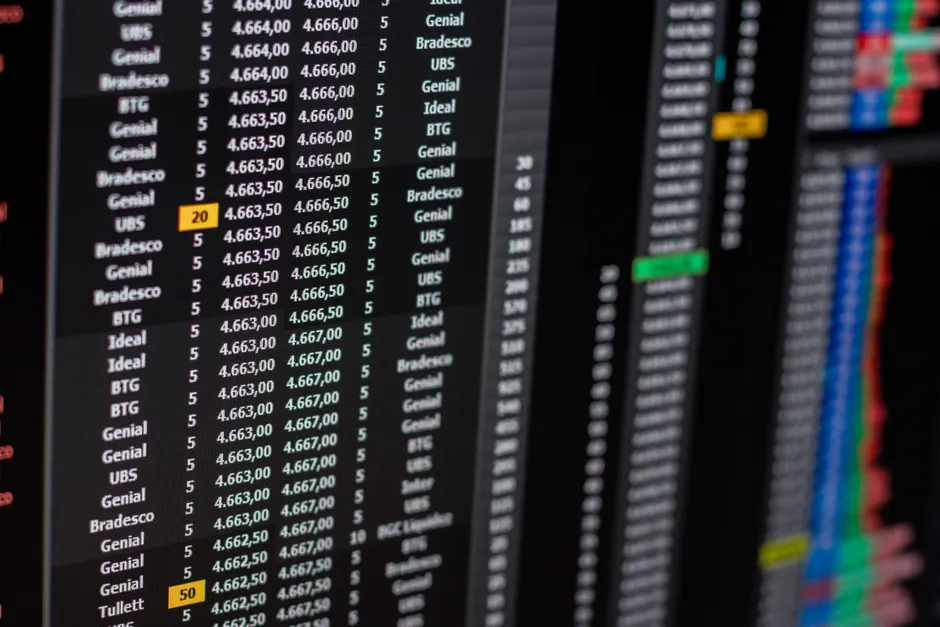
U.S. stocks finished the week ending September 25, 2026 higher, with the Dow, S&P 500 and Nasdaq all closing up after back-and-forth moves in bonds, oil and big technology stocks.
The Dow climbed 460 points, or 0.9%, to 51,810, while the S&P 500 added 39.28 points, or 0.5%, snapping a three-week losing streak for the Dow, according to MarketWatch.
On Sept. 24, the Dow fell for a third straight session as Treasury yields, the yearly return for holding government bonds, hit a fresh 19-year high and oil prices rose, according to Investopedia. The Wall Street Journal titled its Sept. 24 live file "Stock Market News, Sept. 24, 2026: Bond Selloff Worsens ..." in a session where higher yields and crude reflected fears that inflation, a broad rise in prices, had survived, according to The Wall Street Journal.
Bond yields fell slightly on Monday and Tuesday as oil prices retreated, then rose sharply on Wednesday, according to The Wall Street Journal. Brent crude was hovering around $106 a barrel while Treasury yields rose, according to The Wall Street Journal. Wednesday's stock decline was centered on the largest companies, with Wall Street ending lower, pulled down by Alphabet and Amazon.
Thursday added a small down day for the S&P 500 as uncertainty about the Middle East lifted oil prices and Treasury yields, according to Reuters. On Sept. 25, the S&P 500 added 0.4% and was on track to break a three-day losing streak marked by big swings due to rising yields in the bond market, according to BNN Bloomberg.
Wall Street climbed on September 25, 2026 as investors bought AI stocks, with Microsoft rallying, even as high oil prices and the recent surge in U.S. Treasury yields kept investors on edge, according to Reuters. Oil prices fell as the S&P 500 and Nasdaq gained and Treasury yields declined, according to Yahoo Finance. The 10-year Treasury yield was at 5.2% on September 25, 2026. For the week ending September 25, 2026, the Nasdaq, S&P 500 and Dow all finished higher, according to Investopedia.
Earlier in September, Wall Street ended lower in a shaky start when yields were higher and oil was rising, with the Dow down 0.79%, the S&P 500 down 0.71% and the Nasdaq down 1.03%. A prior Thursday bounce, with the Dow up 0.62%, the S&P 500 up 1.14% and the Nasdaq up 1.69%, happened when oil eased.
The broader context here is a market still pricing energy costs into the extra return investors demand to hold long-term bonds. Think of it like a delivery fee added to every long loan. When crude holds above $100, near-term inflation expectations firm and buyers of long bonds ask for more pay to lock up money for years. That pushed yields to a 19-year high midweek and pressured stock values, with the most rate-sensitive big growth names taking the hit. The late-week buying of AI names did not fix that math. It narrowed leadership to a small set of cash-rich companies that now carry more of the index.
In my view, the sequence matters more than any single close. Two soft days for yields on retreating oil, followed by a joint spike in yields and crude, then a Friday relief rally on lower oil and lower yields, points to oil as the near-term driver for rate swings. For savers and borrowers, that keeps risk high. Stocks and bonds both fall on the same inflation worry, so owning both gives less protection. The 5.2% 10-year leaves borrowing costs high enough to keep pressure on valuations, even in a winning week.
Looking at what this means for flow, Friday's relief looks tactical. Falling oil and easing yields let computer-driven and human buyers add back market exposure, led by AI-related giants. The test is whether that buying lasts if Brent rises again or if supply or geopolitical headlines tighten the Middle East uncertainty cited into Thursday. With the Dow at 51,810 after breaking its losing streak, the market enters next week with levels rebuilt but with the same trigger intact.