Tigray Fighting Returns: Why Ethiopia's Truce Broke Down

Fighting has erupted again in Ethiopia's northern Tigray region between Tigrayan regional forces and the national army.
Major clashes broke out this week and spread into the neighbouring Afar and Amhara regions. People in Tigray fear a return to full-scale war after the brutal two-year war that ended in 2022, according to BBC. That war was long and deadly. Civilians are now panic buying.
Each side blames the other for the restart. The Tigray People's Liberation Front (TPLF), the party that runs Tigray, says it was responding to a federal offensive that included drone strikes. Ethiopia's government says Tigrayan forces attacked first after seizing airports in Tigray.
Tigrayan forces seized three local airports and clashed with federal troops in several places. They acted with allies when they seized the airports and attacked at the start, according to Reuters.
Internet and phone service in Tigray has been cut. The cutoff hits hard because ATMs there stopped working months ago. Tigray is largely cashless, so many people rely on digital payment apps. Ethiopia's May general election was not held in Tigray because of the security situation.
The run-up was long. Relations between the government and the TPLF worsened for more than six months. Both sides traded blame while troops gathered and small pockets of fighting continued in Tigray this year.
Seven Ethiopian armed groups announced an anti-government alliance on 21 September, according to Reuters. The alliance includes the TPLF and Fano. The two fought on opposite sides in the last Tigray war.
On paper, experts say federal forces have an edge in soldiers and technology, while Tigray's leaders face internal discord, according to Reuters. Ethiopia's army said it killed at least 272 TPLF fighters in a counter-offensive in the northwest, according to Al Jazeera.
The last war ended with the Pretoria Agreement, a peace deal brokered — helped into place — by the African Union. It was signed on 2 November 2022. An uneasy truce followed. Under the deal, Prime Minister Abiy Ahmed appointed a temporary administration for Tigray. The AU mediator estimated some 600,000 people died in the 2020-2022 war.
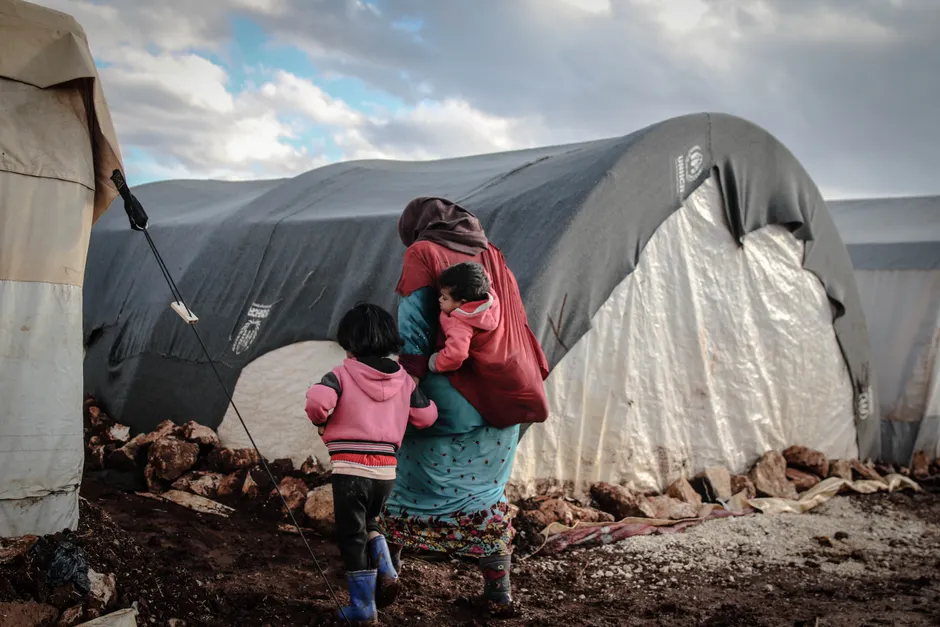
Two unresolved issues from Pretoria sit at the center. The TPLF lost western Tigray early in the war to Amhara fighters who fought alongside the army. Hundreds of thousands of ethnic Tigrayans fled western Tigray and live in displacement camps in Tigray and Addis Ababa. The TPLF wants the territory back and displaced people to return. The government says the future of the area should be decided by referendum, a direct public vote.
The second dispute is disarmament, the process of giving up weapons. The government says the TPLF handed over only old weaponry to the AU and hid the rest.
Earlier this year, Tigrayan officials accused each other publicly over rearmament and splits. A former Tigray president alleged an illegal TPLF group was working with unlawful forces to reignite conflict. Keria Ibrahim alleged a TPLF faction looted gold and used youth in the Sudan conflict to pay for weapons. Those claims date to July.
The broader context here is a peace built on steps that were never finished. Land status, return of displaced people, and demobilisation were delayed or disputed after 2022. Authority stayed divided between Mekelle and Addis Ababa. As trust eroded over more than six months, each side kept both a grievance story and a military option.
In my view, three variables will shape whether this stays a limited clash or widens. The first is command cohesion, the ability of allies to act together. An offensive with former foes can pressure federal forces in more places but complicates supply, goals, and talks. The second is connectivity. A telecom blackout plus a payments freeze limits fact-checking, aid work, and daily coping at once. The third is regionalisation. Spread into Afar and Amhara plus a multi-group alliance adds fronts any renewed AU mediation must cover.
Looking at what comes next, the verified picture is narrow but grave. Organised combat has resumed, airports have changed hands, civilians are stockpiling, and both commands call their actions reactive. That action-reaction pattern collapsed in 2020. Prevention now depends on whether the Pretoria framework can be enforced, revised, or replaced before front lines harden.