Trump Rejects Iran's Seven-Day Plan to Reopen the Strait of Hormuz

President Donald Trump has rejected Iran's proposal to restore normal passage through the Strait of Hormuz within a week, according to unnamed U.S. officials cited by The Wall Street Journal. Al Jazeera reported the account on Sept. 26. The U.S. government had not publicly responded to the plan at the time of the report.
The Iranian proposal lays out a seven-day roadmap for normal shipping in the strait. Foreign Minister Abbas Araghchi said it asks Washington to carry out on a faster timetable steps promised under the failed June 17 Islamabad Memorandum of Understanding, a written agreement that did not hold. Those steps are release of $12 billion in frozen Iranian assets, money held abroad that Tehran cannot use, lifting of sanctions on Iranian oil, trade restrictions that block sales, and an end to the U.S. naval blockade on Iranian ports, the use of warships to limit port traffic. The plan also requires all hostilities, including in Lebanon, to cease during the seven-day period. A ceasefire means a halt in fighting.
Under Araghchi's timetable, the U.S. measures would take four or five days. The strait would then reopen. Talks on a final deal would start on day seven. The two sides disagree on order. Trump questioned whether Iran would meet U.S. demands. Those demands are that Iran never acquire a nuclear weapon and that it restore free passage in the strait. Iran says it will not discuss its nuclear programme until its conditions are met. A U.S. official told Al Jazeera that Washington is in no hurry to respond and sees itself in a strong position on the strait.
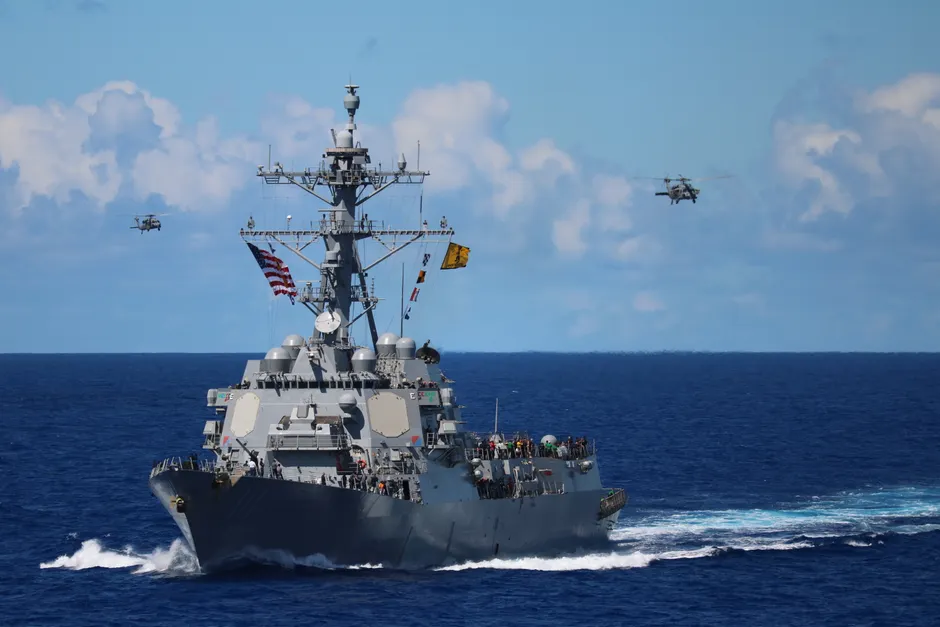
Both sides have made competing public claims about control of the waterway. Trump posted an image of a map labelled "Trump Strait" on Truth Social late on Friday night. He previously said the U.S. has total control over the Strait of Hormuz and threatened to designate it as a U.S. territory. Iran says it has complete control of the strait. One-fifth of global oil and natural gas is shipped through the strait during peacetime.
Qatar has been passing messages between the U.S. and Iran as an intermediary, a go-between, at the UN General Assembly in New York. Both Washington and Tehran have said the door to diplomacy remains open. A U.S. official described the ongoing mediated talks as positive and constructive. Tehran wants the sequencing reversed. Washington is not rushing.
That disagreement predates the current offer. Iran was awaiting a U.S. move after the Journal first reported Trump's rejection, and an Iranian official said the two sides were still far apart, Reuters reported on Sept. 23. Earlier ideas included a 45-day ceasefire discussed with regional mediators in early April, a two-week ceasefire proposed by Pakistan that Trump said the U.S. had agreed to, and a 10-day option pushed by mediators in July aimed at reopening the strait. Iran rejected a temporary ceasefire in April and demanded a permanent end to the conflict, and rejected in July a proposal conveyed by the Iraqi prime minister. Trump said in May that a ceasefire was on "life support" after Tehran's latest offer did not include nuclear concessions.
The broader context here is a familiar negotiation problem over who moves first, now squeezed into a one-week calendar. Tehran is asking for tangible sanctions and blockade relief before any nuclear discussion, using Hormuz transit as pressure while linking the pause to Lebanon. Washington is asking for nuclear assurances and restored passage before concessions, counting on naval pressure and patience to preserve its position without causing a wider energy shock.
Looking at what this means in practice, the seven-day structure leaves little room for verification. Asset transfers, oil sanctions paperwork, and blockade orders each involve technical and legal steps that rarely fit a four-day window, while a halt across theaters would need command-level compliance beyond Hormuz itself. With Qatar carrying messages in New York, a channel exists for a counteroffer on timing and monitoring, even as both capitals harden their public claims to control.