White House Drops CNN From Trump Flight Amid Press Access Fight

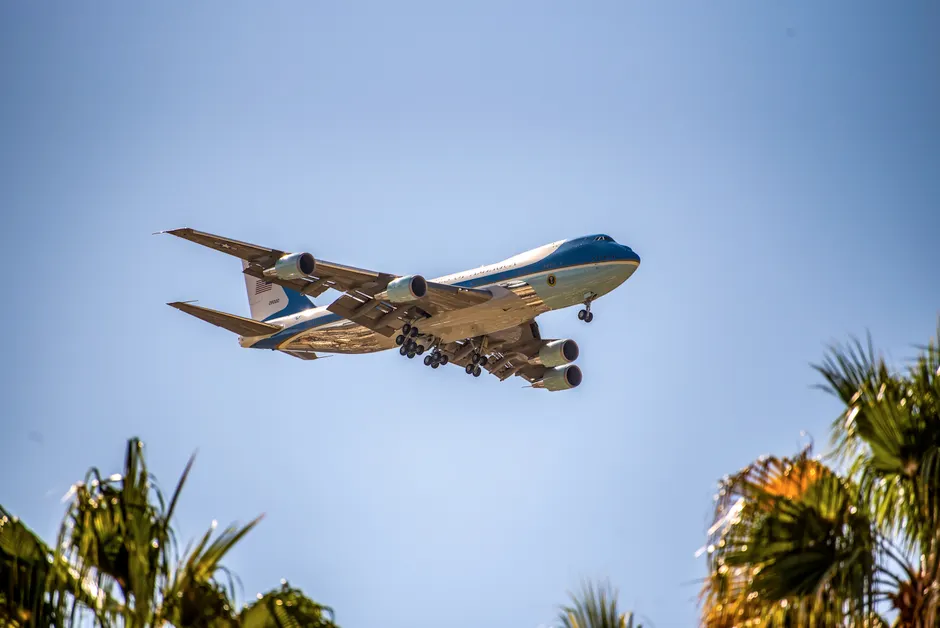
The White House left CNN off the Air Force One manifest, the official passenger list, for President Donald Trump's flight to Tennessee on Saturday, Sept. 26. Trump was flying to a college football game, and CNN had been scheduled to travel with him.
The change appeared in guidance sent to the press corps about Trump's Saturday schedule, which did not list CNN. The decision was first reported by the Washington Post. The Guardian
CNN was not holding a seat only for itself. The network was set to serve as the television pool crew. In pool coverage, one team films and shares the material with the other major networks on a rotating basis, so the work and cost are spread around. Removing CNN from the trip puts that rotation system in jeopardy, according to the Washington Post account. Washington Post
The flight decision followed a wider access revocation about a week earlier. Trump withdrew White House access for CNN, Politico and MS Now, citing unfavorable reports about his presidency. Early Saturday, Trump asked on Truth Social why those responsible for "FAKE NEWS" should be allowed access to the White House.
CNN, MS Now and Politico challenged the ban in a lawsuit arguing the action violated the First Amendment, which limits government punishment of the press. U.S. District Judge Timothy Kelly ordered the Trump administration to restore White House access for the three outlets.
Enforcement has remained contested. Journalists from the three outlets sought to enter the White House on Thursday morning but were not granted entry until midday. Klein and a photojournalist were first denied access to the White House grounds at 9 a.m. ET, according to a Sept. 24 account. CNN CNN and MS NOW remain blocked from using their television equipment and camera locations on the White House grounds. CNN's editorial team and an MS Now reporter were also blocked from covering the state dinner commemorating Chinese President Xi Jinping's visit.
The pool response has been collective. Major television networks declined to replace CNN's White House pool crew after the administration barred CNN. The White House press pool separately suspended video coverage of Trump in protest of the access revocation.
Since the beginning of Trump's second administration in 2025, the White House has decided which outlets cover the president via the pool, a task previously coordinated by the White House Correspondents' Association, a group representing White House reporters. A recent Reuters/Ipsos poll found Trump's overall public approval rating to be at 32%, an all-time low.
The broader context here is a shift from credentials as an administrative function to credentials as leverage. Pool coverage depends on one outlet gathering material for all the rest, with rotation ensuring no single organization bears the cost permanently. When the White House selects pool participants and then removes a scheduled pool representative from shared transport, other networks face a choice between accepting substitute coverage or leaving the shared record incomplete. Their refusal to replace CNN points to the second path.
Looking at what this means for access law, the sequence will test the gap between a court order and day-to-day implementation. A judicial directive to restore access does not by itself resolve equipment placement, camera positions, manifesting for presidential travel, or admission to ticketed events such as a state dinner. Each has become a separate point of friction. How those logistical decisions are handled in the coming travel cycles will determine whether pool reporting continues in its current form.