Lavrov at the UN: Accusations Against Europe and a First Meeting With Germany Since 2022

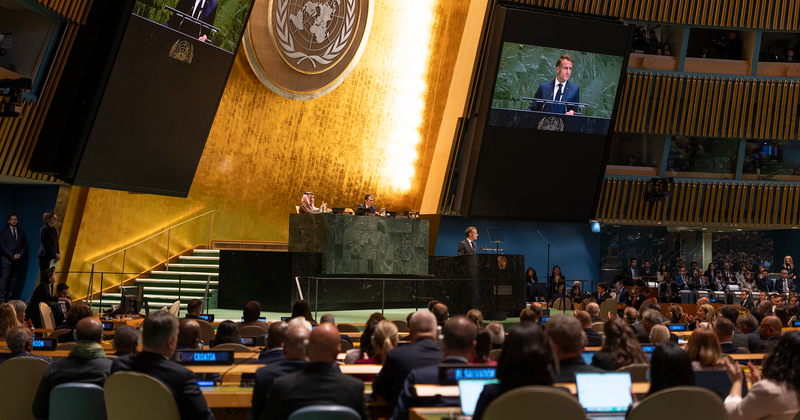
Russian Foreign Minister Sergey Lavrov accused European governments of arming Ukraine, helping it strike civilians and working to obstruct peace talks in his address to the United Nations General Debate. UN News The UN General Debate portal carries the Russian Federation statement for the 81st session under Lavrov's name.
UN News summed up the speech under the headline "Lavrov issues call for new Eurasian 'security architecture'." The portal lists the Russian statement as No. 11 in the speaking order, by Sergey Lavrov, Minister for Foreign Affairs. It later noted debate had closed for the day and would resume on 28 September at 9:00 a.m. New York time.
On the sidelines in New York, German Foreign Minister Johann Wadephul met Lavrov. It was the first talks between the Russian and German foreign ministers since 2022. Reuters Wadephul said the meeting showed deep divisions over the war in Ukraine. DW After the meeting, Lavrov addressed the General Assembly and defended Russia's war in Ukraine. PBS
Moscow set out two items before the New York appearances. The Russian Foreign Ministry published Lavrov's remarks at a UN Security Council meeting on Ukraine in New York on September 23, 2026. Russian Foreign Ministry That release is numbered 1489-23-09-2026. The ministry also published his remarks and answers at an embassy roundtable in Moscow on September 15, 2026 titled "The Ukraine Crisis: The West's Legal Aggression."
The broader context here is procedural as well as political. General Debate speeches put a country's position on the public record, like an annual roll call. Security Council meetings allow direct exchange among Council members. Sideline bilaterals, or one-to-one meetings, allow contact without a joint outcome. Lavrov used all three formats in sequence. The channel is open. Contact did not narrow differences.
Looking at what this could mean for diplomacy, the pattern will be familiar to UN watchers. Public blame aimed at European governments sits alongside a preserved link with Berlin. A first meeting after a long break creates a reference point for future requests, messages and clarifications, even when positions stay opposed. The questions to watch are whether the sideline format repeats, whether Council exchanges continue, and whether the Eurasian security proposal gains institutional detail beyond the General Debate wording.