Arrests Near RAF Fairford: Explosives Case Tests Base Security
Several men have been arrested on suspicion of offences under the Explosives Act after a major incident was declared near RAF Fairford on 27 September 2026. Gloucestershire police confirmed the declaration and the arrests on Sunday morning. The base is a Gloucestershire airbase used by US forces. The Guardian
The Explosives Act is the British law covering explosives, and a major incident is a police term for an emergency that calls in extra resources. Think of it as a signal to bring in more help quickly.
Police said properties in the Whelford area were being evacuated. Evacuated residents were being taken to a nearby leisure centre. Police cars, ambulances and fire engines were visible in Fairford village near the base on Sunday morning. The response was concentrated around the perimeter. Access was restricted.
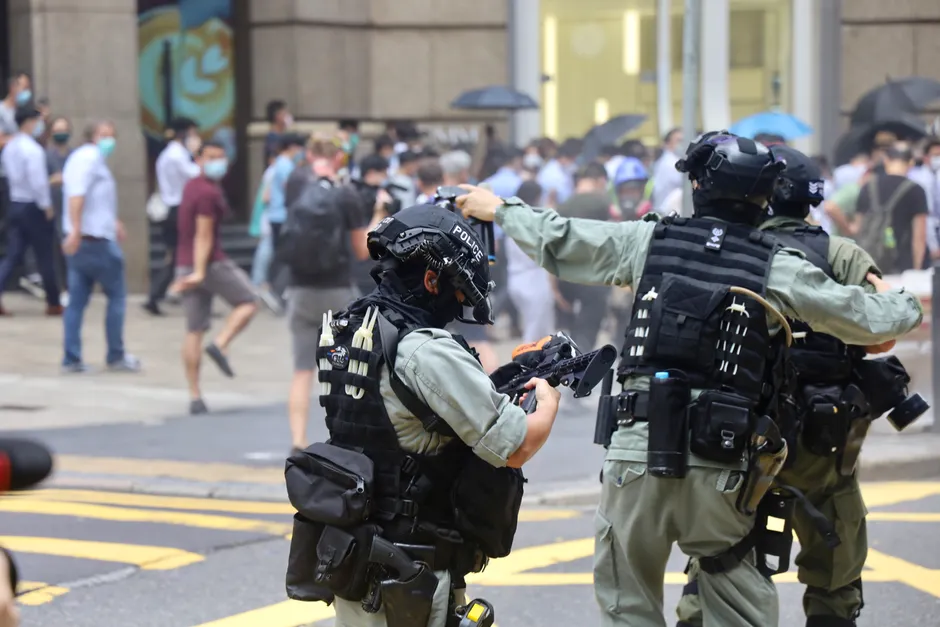
Armed police blocked access to the main gate of the base. Soldiers were inspecting vehicles as security was stepped up at RAF Fairford. Police did not say in their first statements how long the closures would last.
Gloucestershire police said the situation was contained and local people need not be alarmed. A US Air Force spokesperson declined to discuss specific force protection measures at RAF Fairford. Force protection means steps to keep bases and people safe. The US Air Force said the 501st Combat Support Wing and other UK-based wings remain vigilant to protect US personnel and families.
RAF Fairford has been the centre of recent protests over the UK decision to allow the US to use it for strikes on Iranian missile sites targeting ships in the Strait of Hormuz. Iran's Revolutionary Guards told Britain in July not to allow US bombers to fly from RAF Fairford. The Guardian
The broader context here is the overlap of a criminal investigation, base security and alliance diplomacy. The scope of the evacuation, the status of those arrested, and any charges under the Explosives Act will shape whether this stays a contained policing operation or becomes a longer force-protection issue. The language from both sides is careful. British police sought to reassure nearby communities. American officials affirmed vigilance for personnel and families without giving details on posture.
For planners watching what comes next, Fairford brings together several sensitivities in one place. It is US-operated infrastructure on British soil, it has drawn public protest tied to US strikes connected to the Strait of Hormuz, and it has featured in direct warnings from Tehran. That does not establish a link to the arrests. It does explain why any explosives-related case there will be read closely in London, Washington and beyond. The next signals to watch are formal police updates, any court appearances, and whether US wings change their public guidance.