A Robot That Cries on Cue: How the Yansyn-X2 Works
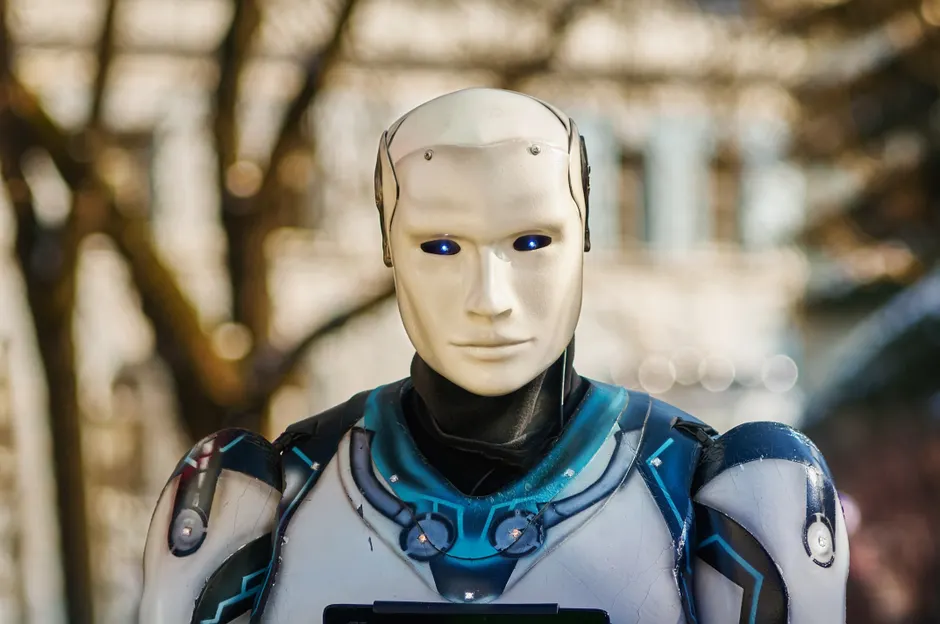
A humanoid robot shed a visible tear on request at the 2026 Inclusion Conference in Shanghai.
The system is the Yansyn-X2, developed by Ningbo-based Yanxi Technology. In conference footage, a demonstrator asks, "Can you shed tears for me?" A tear then rolls down the robot's face. Engadget
The response comes from AI software that reads conversational context and tone, both word choice and how words sound. When it detects sad or empathetic language, small mechanical parts under the surface pull the robot's medical-grade silicone face into a sad expression. A microfluidic system, a network of tiny channels and pumps that move very small amounts of liquid, releases fluid at the corner of the eyes.
The current Yansyn-X2 is a static platform. It does not walk. It can turn its head, track people in its field of view and gesture with its arms. Yanxi plans to replace the servo motors now used for facial movement, small geared motors common in robotics, with bionic muscles in future versions. The stated goal is smoother facial changes.
Two 2023 studies in Frontiers in Robotics and AI provide context for that design. One found that robots whose facial expressions matched the emotional tone of a conversation were rated more likable, trustworthy and human-like than robots with no expression or mismatched expressions. Frontiers in Robotics and AI A separate study in the same journal found that robot tears increased the rated intensity of sadness and conveyed warmth and helplessness. Frontiers in Robotics and AI
In my view, the central engineering challenge is not tear production. Microfluidics and silicone skin are established parts. The harder work is timing and calibration. A system that cries on explicit request is a demo. A system that decides unprompted when grief, empathy or apology is warranted must parse tone of voice, word meaning, speaker intent and cultural norms in real time, with few errors. Get it wrong in eldercare, education or customer service and the trust gain documented in the research can reverse quickly.
For teams building these machines, there is a practical cost to consider. Fluid reservoirs need refilling and hygiene control. Silicone fatigues with use. Skin driven by servos creases differently than tissue driven by muscle. The planned move to bionic muscles reads as an acknowledgment that smooth, low-jitter movement matters more at this stage than adding more degrees of freedom.
Looking further ahead, there is reason for measured optimism if that timing loop can be closed reliably. We have moved from command line to graphical interfaces to voice. Emotion, shown and recognized, is plausibly the next channel, especially where acknowledgment matters as much as task completion. A machine that signals it has registered distress does not feel distress. It can still help a hospital waiting room or classroom interaction proceed more smoothly. My own children grew up texting apologies they would never have said aloud, and the medium carried part of the message. As shown, the Yansyn-X2 is not that autonomous collaborator. It is a static model with tracking, gesturing and an articulated face, but it links language cue to fluid output end to end, and for reception, care and companionship work, that narrow pipeline deserves close study.