Afghanistan Says 28 Fighters Killed in Nuristan as Pakistan Rejects Claim

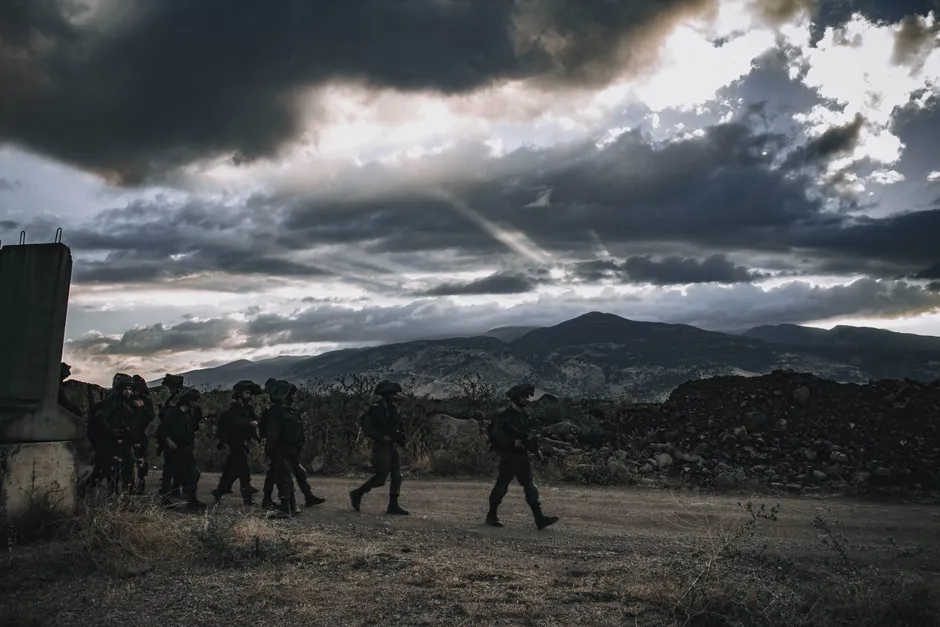
Afghanistan's Defence Ministry says its forces killed 28 fighters in eastern Nuristan province who had crossed the border from Pakistan.
The ministry said in a statement posted to X that the engagement took place on Sunday. It also said its forces captured 32 other fighters, a figure reported by multiple outlets on Sept. 27 AP.
Kabul paired the battlefield claim with an accusation against Islamabad. The Defence Ministry alleged most of the fighters were former Afghan government security personnel recruited by Pakistan's intelligence services with promises of asylum and well-paid employment abroad. It further claimed the group included ISIL (ISIS) fighters supported by Pakistani militias Al Jazeera.
Pakistan rejected the account in full. Pakistan's Ministry of Information and Broadcasting, also in a post on X, dismissed the Afghan allegations as "frivolous, baseless and devoid of any truth." Islamabad denied that its security forces or intelligence agencies were involved in clashes in Nuristan, had recruited or trained former Afghan security personnel, or had facilitated ISIL or other armed groups in Afghanistan.
Islamabad answered with a counter-demand. Its information ministry said the Taliban should take credible and verifiable action against terrorist organisations operating from its territory so Afghan soil is not used for terrorism against Pakistan or any other country.
The exchange follows a week of cross-border strikes. Pakistan launched air strikes on 10 locations in Afghanistan in the week before Sept. 27 that it said were used to store and launch drones used in cross-border attacks. Pakistan had said its Sept. 21 airstrikes struck three targets in Afghanistan Reuters.
The two sides give different accounts of who was killed in that earlier strike. Islamabad described the Sept. 21 strikes as killing 28 fighters, while Afghan officials said civilians were killed and the U.N. mission in Afghanistan confirmed three civilian deaths. A spokesman for the Afghan Taliban government said Pakistani air strikes on Thursday killed at least four people and promised an "appropriate response."
The broader context here is a cycle of retaliation with no trusted way to ease tensions. Neither journalists nor independent monitors can readily reach this terrain, so each capital asserts its own version of events. Kabul describes infiltration directed from Pakistan. Islamabad describes militant infrastructure inside Afghanistan and a Taliban failure to act. Without a shared assessment of damage or a neutral border monitoring team, competing statements become the public record, like trying to settle a match with no referee.
Looking at what this means for crisis management, three questions will shape the next phase. First, whether Nuristan produces evidence that can be tested. Names, documentation, or third-party access to the 32 reported detainees would move the dispute beyond dueling X statements. Second, whether Pakistan's air campaign pauses or expands. Ten locations in one week suggests a wider target set tied to drone warfare, where attribution is technically hard and politically risky. Third, whether the U.N. mission or another intermediary can establish civilian harm limits that restrain both sides. The confirmed deaths on Sept. 21 carry weight in part because independent confirmation is rare.
In my view, readers should treat the specific numbers with caution and pay close attention to the sequence. The mirrored figure of 28 killed, claimed by Islamabad for Sept. 21 and by Kabul for Sept. 27, invites skepticism rather than symmetry. What matters for stability is the tempo. Strikes, infiltration claims, detentions, and vows of response in less than a week compress decision time in both capitals and raise the risk of miscalculation along a border where command and control is fragmented.