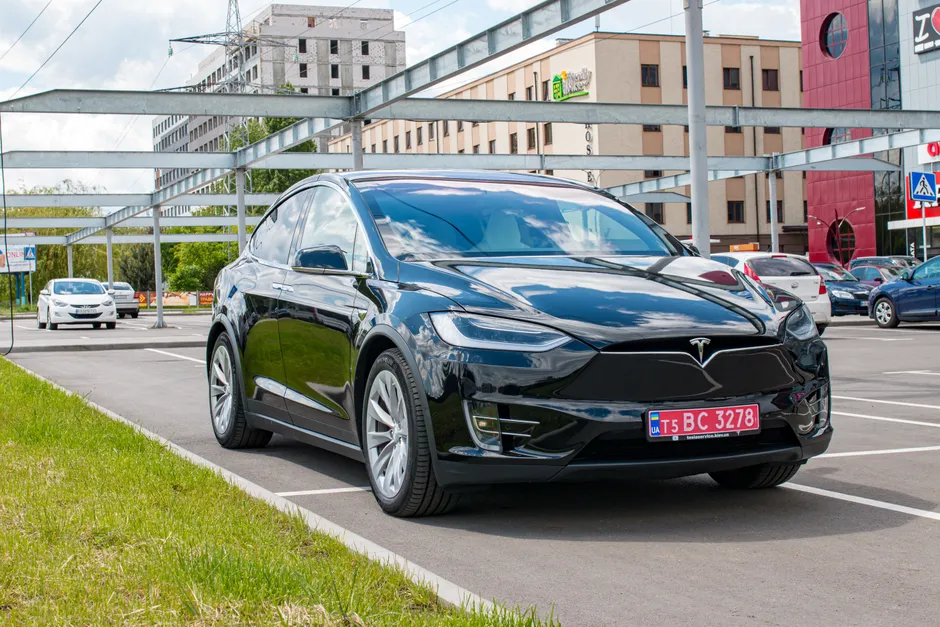
Tesla's Full Self-Driving Under Federal Scrutiny After Fatal Texas Crash

A Tesla Model 3 with Full Self-Driving (Supervised) engaged crashed into a home in Katy, Texas on June 19, killing a 76-year-old woman inside, according to BBC News. The National Highway Traffic Safety Administration has opened a formal defect investigation into the system in connection with the incident, per the Wall Street Journal.
A defect investigation is a procedural step above a preliminary examination — it means NHTSA is actively evaluating whether a systemic flaw in the system may have contributed to the death. FSD (Supervised) requires the driver to continuously monitor the road and maintain full responsibility for vehicle control. It is not an autonomous system, a distinction that will likely anchor both the NHTSA review and any legal proceedings.
Tesla's head of AI, Ashok Elluswamy, moved quickly to address the incident publicly. In a post on X, Elluswamy stated that the driver manually overrode the self-driving system by pressing the accelerator pedal to full throttle — effectively overriding whatever the system was doing. If the vehicle's event data recorder confirms this, the claim carries real weight: it reframes the cause from a software failure to a driver action, which is the kind of factual distinction that determines whether NHTSA finds a defect in the system itself or closes the investigation without a recall.
Tesla has consistently pointed to driver override events — particularly instances where drivers ignore hands-on-wheel alerts — as the common factor in FSD-related crashes. NHTSA has opened multiple investigations into Tesla's driver assistance systems over the years, including a 2021 probe into Autopilot crashes involving emergency vehicles and a later review that led to a software update affecting roughly two million vehicles in late 2023. The agency has developed considerable institutional knowledge of Tesla's systems.
That said, Elluswamy's statement was posted on X without accompanying data or formal incident documentation, and the NHTSA investigation remains ongoing. The accelerator-override claim may well be accurate — Tesla vehicles log pedal position with high precision — but it has not been independently verified. Regulatory investigations exist precisely because post-incident statements from an interested party, however technically detailed, cannot substitute for independent forensic review.
The core tension here reflects a problem the industry has faced since driver assistance systems expanded from basic highway lane-keeping to complex city navigation: the human-machine boundary problem. Specifically, how does a system that is designed to return control to a driver manage the transition when the driver is already applying maximum throttle? If the vehicle's override logic treats 100% accelerator input as an intentional driver command and immediately transfers authority to the driver, that follows the intended design. Whether that design is adequate for the actual population of drivers using FSD is a question NHTSA is now formally investigating.
A fatal crash, a federal inquiry, and a pointed public statement from Tesla's AI leadership — evidence will eventually settle the factual dispute. What the Katy incident has done is place FSD (Supervised) back under federal examination at a moment when Tesla is simultaneously pursuing regulatory approval for its Cybercab robotaxi, a vehicle with no steering wheel or pedals. The timing carries weight in how regulators and the public will evaluate that forthcoming approval.