Why Oil and 10-Year Yields Above 5% Are Moving Together
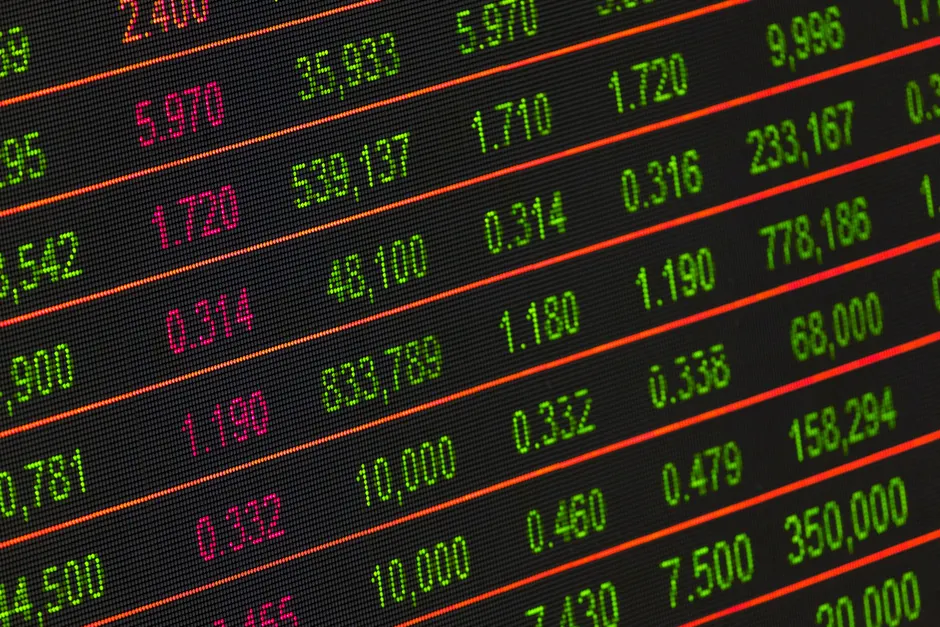
U.S. Treasury yields rose in Asian trade on Monday, Sept. 28, as a setback in Middle East peace efforts pushed oil prices higher. It extended a sharp September repricing in long-term bonds, with crude and long-end rates moving together. When long-term government rates stay high, mortgages and business loans tend to stay high too.
Oil rebounded after President Donald Trump rejected an Iran peace deal, according to Reuters reporting published Sept. 27. That reversal followed a choppy week around diplomacy. Crude had risen on Sept. 23, ending five consecutive days of losses, and Tehran and Washington had held discussions on the sidelines of the U.N. General Assembly in New York City during the week ending Sept. 25, according to CNBC and CNBC. Iranian President Masoud Pezeshkian vowed that Iran will not surrender to the U.S.
The rates move has been large by recent standards (100 basis points equals 1 percentage point). The benchmark 10-year Treasury yield, the rate on 10-year U.S. government debt, jumped 13.89 basis points to 5.106% on Sept. 23, the highest since 2007 and its biggest one-day increase since April 2025, according to Reuters. It later fell 0.37 basis points to 5.158% after earlier reaching 5.2297%, also the highest since 2007, according to Reuters. Earlier in the month, the 10-year had surged to 5.041% and was last at just under 5.004% in mid-September, when oil held near a four-month peak.
The selloff was not confined to Treasuries. Japanese government bond yields rose to multidecade highs early Friday, with the 2-year yield up 2.9 basis points at 1.936%, according to Morningstar. Equities were mixed as caution reigned.
The broader context here is the oil-to-rates link. Higher crude lifts headline inflation and market inflation expectations, called breakevens, plus the risk of worse inflation. Headline yields can rise even if inflation-adjusted real yields hold steady, with the extra pay for holding long bonds, called term premium, doing the work. For pension funds and mortgage hedgers, more volatility means more hedging, which tightens credit without any central bank move.
Looking at what this means for positioning, sequencing matters. The Sept. 23 jump coincided with higher oil. Talk of a possible diplomatic solution then created two-way risk. The rejection revived higher oil with lower bond prices. That hurts basis trades, bets the oil-bond link returns to normal, and rewards carry, earning the yield spread, only if funding stays stable.
There is also a flow dimension to weigh. A 13.89 basis point move above 5% implies heavy dollar losses per basis point, measured by DV01, for bets on lower yields. The run to 5.2297% and small close lower points to thin liquidity rather than smooth trading. For dealers, risk limits bind faster when oil and volatility rise together. Spreads widen and forced selling can dominate.
For anyone watching Japan, the 1.936% print in 2s matters for Treasuries. Hedging flows between Japanese bonds and Treasuries have grown. A multidecade high in short-term yen rates changes the return Japanese buyers get after currency costs, the FX-hedged pickup, for long Treasuries. Less steady buying at auction would leave Treasuries more exposed to oil headlines into the next supply cycle.


