Sukkot Closure in the West Bank: Checkpoints, Work Permits and Allenby

Israel sealed off the occupied West Bank for a week on September 28, 2026, closing crossings and tightening limits on movement for Sukkot, a week-long Jewish holiday.
The order came Sunday from Defence Minister Israel Katz, acting on the military's recommendation, according to Al Jazeera. The closure runs until Saturday. Palestinians with work permits, documents that allow jobs in Israel, cannot enter Israel or its settlements during that period. Only workers classed as essential can enter Israeli industrial zones located inside the West Bank.
On Sunday, forces blocked roads in the Ramallah and el-Bireh governorate and closed the entrances to Turmus Aya, Aboud, Nabi Saleh, Atara and Taybeh. In Yabroud, Ein Siniya and Jaba, soldiers set up temporary checkpoints to search vehicles and check identity papers. The tighter controls blocked Palestinian access to the Al-Aqsa Mosque in occupied East Jerusalem and the Ibrahimi Mosque in Hebron.
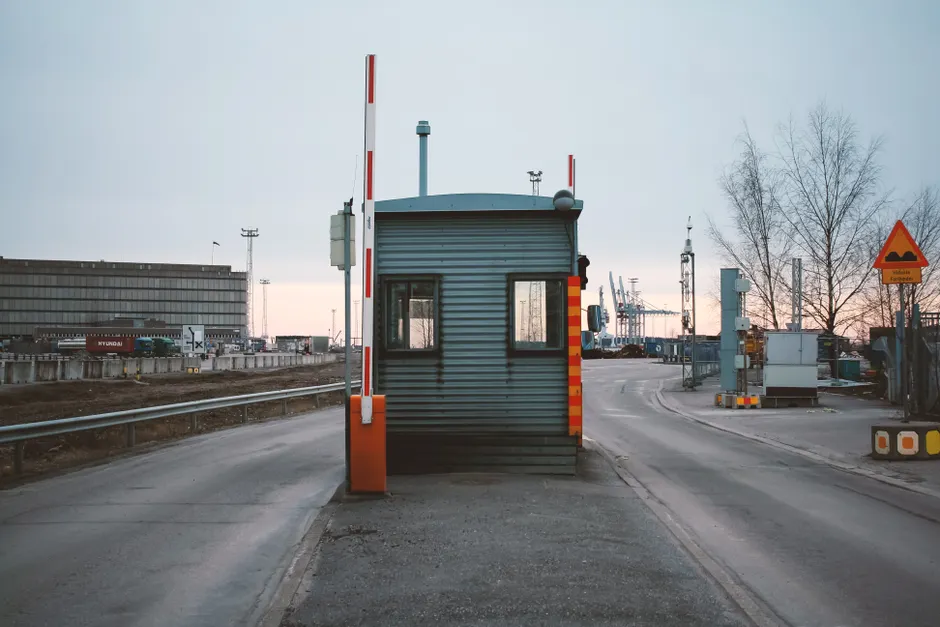
The closure was reported on the same day, September 28, that Al Jazeera published a map of Israel's 300 checkpoints, showing where they sit and how they work. The system includes permanently staffed terminals, partial checkpoints, road gates, earth mounds and temporary checkpoints (sometimes called flying checkpoints). Together they control travel between Palestinian cities, villages and East Jerusalem, and between the West Bank and Israel.
Checkpoint 300 sits on the road between Bethlehem and Jerusalem. It is the main crossing for Palestinians who work in East Jerusalem and other central cities. The Ecumenical Accompaniment Programme in Palestine and Israel, a group that monitors the checkpoints, described it to Al Jazeera as the worst checkpoint in the West Bank because of crowding and slow processing during rush hour.
At the eastern edge of the West Bank, Israel shut the Allenby crossing, the only direct passage between the Israeli-occupied West Bank and Jordan, according to the BBC. The terminal was first closed on September 19, a day after a driver delivering humanitarian aid from Jordan for Gaza opened fire and killed two people, Reuters reported. Israel said the crossing would remain closed on Sunday in coordination with Jordan. It then planned to close it indefinitely from Wednesday, after a short reopening.
Before the Gaza war, about 160,000 Palestinians from the West Bank worked for Israeli employers. Most worked inside Israel and the rest worked in settlements. By mid-2024, after Israel barred most permit holders, that figure had dropped to about 27,300. Unemployment in the West Bank rose from 12.9 percent in September 2023 to 30.7 percent a year later. Separately, on February 8, 2026, the Israeli Security Cabinet approved changes to administrative and legal arrangements in the West Bank, as recorded in the February 19 humanitarian situation update from OCHA.
The broader context here is that permits and checkpoints do three jobs at once. They serve as security controls, they decide who can work where, and they shape daily administration of territory. A week-long closure during Sukkot pauses even the smaller post-2023 flow of permitted workers. The Allenby shutdown closes the only exit to a third country. The February cabinet decision points to changes in the legal rules for the West Bank itself.
Looking at what this means for the weeks ahead, two questions stand out: how long the limits last and whether they are reversed. Observers will watch whether the Sukkot closure ends on Saturday as planned, whether Allenby reopens to passengers and cargo, and whether the exception for essential workers in the industrial zones widens or narrows. The economic numbers show why that matters. With formal work in Israel down sharply and unemployment above 30 percent, longer limits quickly affect household income, town budgets and dependence on aid routes already hit by the border closure.