Philips Launches $379.99 AI Toothbrush That Tracks Brushing On-Device
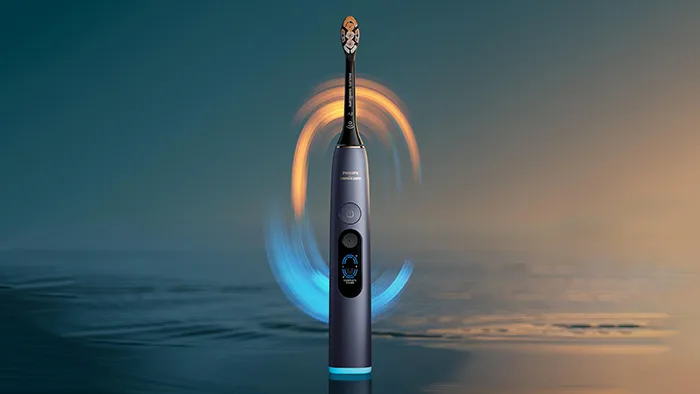
Philips has started selling its Next-Generation DiamondClean 9900 Prestige smart toothbrush in Europe and the US. The Verge The launch follows a July announcement that pointed to a limited release later this year, with a wider global rollout now expected in 2027.
The new model costs $379.99, down from $429.99 for the previous DiamondClean Prestige. That price covers the US and European launch units, with availability in additional markets expected through 2027.
The hardware will look familiar to Sonicare buyers. There are eight cleaning modes and three intensity levels. Brushing feedback comes as a 12-segment mouth map, which rates how well each section of the mouth was cleaned. Motion detection supplies the position data for that map, tracking where the brush head is and how fully each zone was covered.
The sensing system combines pressure, motion and coverage detection. Philips says a third-generation AI model with SenseIQ technology, software that senses technique and responds, automatically adjusts vibration strength based on how a person brushes. A light ring on the handle changes color for instant warning when pressure is too high. Philips lists output for the Next-Generation range at 62,000 bristle movements per minute.
Philips describes the Next-Generation DiamondClean 9900 Prestige as its first electric toothbrush to run AI directly on the brush itself. Philips Coverage is shown in real time through an on-handle Mouth feature, so the user does not need a phone app open during the two-minute session. The sensor approach builds on the earlier 9900 Prestige design, which also used sensors to measure applied pressure, cleaning motions and coverage achieved.
Philips product pages for the DiamondClean 9900 Prestige family claim 20x more plaque removal than a manual toothbrush, up to 15x healthier gums in six weeks than a manual toothbrush, and 100% more stain removal in less than two days than a manual toothbrush. Those are laboratory and clinical claims from the product listings, not independent test results. The Next-Generation range includes 9000 and 9900 models, with availability for dental professionals listed for September 2026. A separate US listing for the Sonicare 9900 Prestige with SenseIQ shows a retail price of $399.96.
The broader context here is a shift in where the computing happens, from phone to toothbrush handle. Earlier connected brushes relied on Bluetooth pairing and processing in the phone app to track position. That added setup hassle, delay and gaps when the phone was not in the bathroom. Running the model on the brush allows closed-loop control, where pressure and motion readings can adjust vibration and the light-ring signal during the brushing session itself.
In my view, that design choice matters more than the number of modes. Eight modes and three intensities alone do not change habits. Anyone who has watched children, or adults, ignore an app dashboard knows the gap between a score shown afterward and a correction made in the moment. A mouth map that is visible while brushing, paired with automatic intensity adjustment, lowers the work needed to act on the data.
Worth flagging is what is still untested in everyday bathrooms. Estimating coverage from motion is sensor fusion in messy conditions, with different grips, mirror angles and worn brush heads. Models that run on the device must stay small and power-efficient, and accuracy can slip if users switch hands or change technique. Philips will need to show that the third-generation model holds up across those variations without frequent recalibration or app help.
The practical question for buyers is direct. This is a premium brush with local processing, combined pressure, motion and coverage sensing, and real-time adjustment, sold for less than its predecessor. If the coverage tracking holds up outside controlled testing, there is a practical reason to leave the smart features on. That would make oral care another case where useful computing fades into the object itself.


