TechCrunch Names Five More VC Judges for Startup Battlefield 200 at Disrupt 2026

TechCrunch has added five more venture investors to the judging panel for the Startup Battlefield 200 at TechCrunch Disrupt 2026. TechCrunch
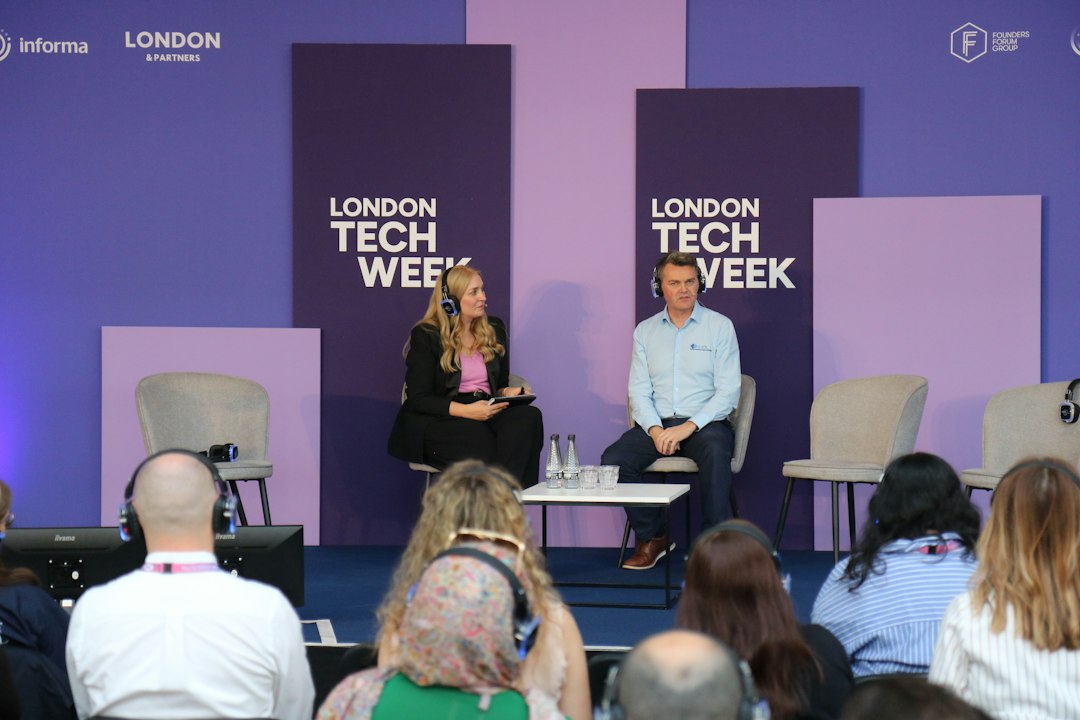
The 200 selected startups will exhibit, meet investors and compete at Disrupt 2026. Judging will take place on the main stage, which puts early-stage teams directly in front of active investors rather than in side rooms or closed sessions.
With the September 28 announcement, 20 judges have now been named. TechCrunch said the last five judges, still to be announced, will judge the finalists and pick the winner of the $100,000 equity-free prize and the Disrupt Cup. Equity-free means founders do not give up ownership to take the money.
Disrupt 2026 runs October 13-15 at Moscone West in San Francisco. TechCrunch The event is expected to draw more than 10,000 tech leaders, plus Battlefield founders and VC judges. TechCrunch TechCrunch had listed September 25 as a registration deadline connected to Disrupt 2026.
Among the new judges is Caleb Appleton, Partner at Bison Ventures. His focus is physical AI, meaning AI systems that act in the physical world, across techbio, robotics and real-world intelligence. Techbio means biology work aided by software and data. That remit spans lab research, hardware systems and applied machine learning.
Earlier groups included Janelle Teng Wade, Partner at Bessemer Venture Partners, and Puneet Agarwal, Managing Partner. Both were named in the first group announced September 10. TechCrunch
Startup Battlefield has hosted thousands of early-stage startups over the years, with founders pitching to top-tier VCs at Disrupt. The winner takes prize money and the Startup Battlefield Winner title.
The broader context here is useful for founders who see pitch contests as marketing. Battlefield judging works more like a short, intense investor review than a demo day. Questions focus on technical defensibility, which is what stops others copying you, go-to-market clarity, which is how you find and win customers, and capital efficiency, which is how far you stretch each dollar. Judges test whether a startup can handle enterprise buying processes, regulatory review and hiring limits.
In my view, who judges matters more than the check itself. $100,000 without giving up equity is helpful runway, but introductions, follow-up meetings and pattern recognition from investors who see hundreds of pitches each quarter matter longer. Founders should treat the judge list as a clue about which technical areas will get close attention, and shape their evidence to match.
Looking at what this means for preparation, teams in physical AI, robotics and techbio should expect hard questions on data loops, safety testing and deployment cost, not only model accuracy. Enterprise and infrastructure teams should expect equal pressure on inference economics, which is the cost of running AI models, integration work and security practices. Panels at this level reward detail. Clear answers on customer, pricing and technical edge go further than broad claims about market size.
For the wider ecosystem, that kind of public technical review helps even teams that do not advance. It forces clear explanations of design choices, unit economics and operating risks in front of people who deal with those tradeoffs every day. Teams that use the process well often leave with sharper plans, warmer investor contacts and a clearer idea of what to build next.